
Arches National Park
📖 Table of Contents
The first time I stood at the base of the Delicate Arch in Arches National Park, I felt like I had stepped into a different world. It was early morning, the kind of silence that only happens in places untouched by modern life, and the arch was bathed in golden light that seemed to glow from within. I had driven five hours from Salt Lake City, and the journey was worth every mile. Arches National Park is not just a place—it’s a sensory experience, a feast for the eyes. A reminder of the power of nature to shape the world in ways we can barely comprehend.[1]
I wasn’t prepared for the scale of the landscape. The red sandstone formations, carved by wind and water over millions of years, rise like ancient sentinels against the sky. Every turn on the trails revealed something new: a canyon that seemed to stretch to the horizon, a spire that looked like it had been sculpted by an invisible hand, or a hidden oasis in the desert. Arches is one of those places where you can’t take a bad photo, and I found myself constantly stopping to capture the view, even though I knew no image could do it justice.
What I loved most about Arches was the sense of timelessness. It’s a place where the past feels present, where every rock and crevice tells a story. I remember sitting on a bench at the overlook of the Skyline Arch, watching the sun dip below the horizon. Thinking about how many people had stood there before me, looking at the same view. Arches National Park is more than a destination—it’s a journey through time, and one that I’ll never forget.
Why You'll Love This Adventure
- Experience some of the most iconic and surreal natural formations in the world.
- Wander through landscapes that feel like they’ve been plucked from a dream.
- Discover a park where every turn reveals a new marvel.
- Connect with nature in a place that feels untouched and eternal.
Getting There and the Best Time to Visit
As of September 2026, Driving to Arches from Salt Lake City is a journey in itself. The route takes you through the desert, with vast stretches of red rock and open space that feel like the world is yours alone. I recommend starting early, as the park can get crowded on weekends, and you'll want to beat the crowds to see the best views. (84108, continue.utah.edu)[2]
Spring is by far the best season to visit. The temperatures are comfortable, often in the 60s and 70s, and the desert flora is in full bloom, adding bursts of color to the otherwise arid landscape. I visited in late April, and it was a revelation—the flowers made the red rock look even more dramatic, like a painting brought to life.
If you’re traveling from elsewhere, consider flying into nearby airports like Salt Lake City or Denver, then driving to the park. The roads are well-marked, but be prepared for some rough stretches, especially on the way into the park.
Book accommodations in Moab or nearby towns early, especially if you're visiting in spring. The best lodging fills up quickly, and you don't want to be left without a place to stay.
Part of our National park itineraries guide.
Hiking the Iconic Trails
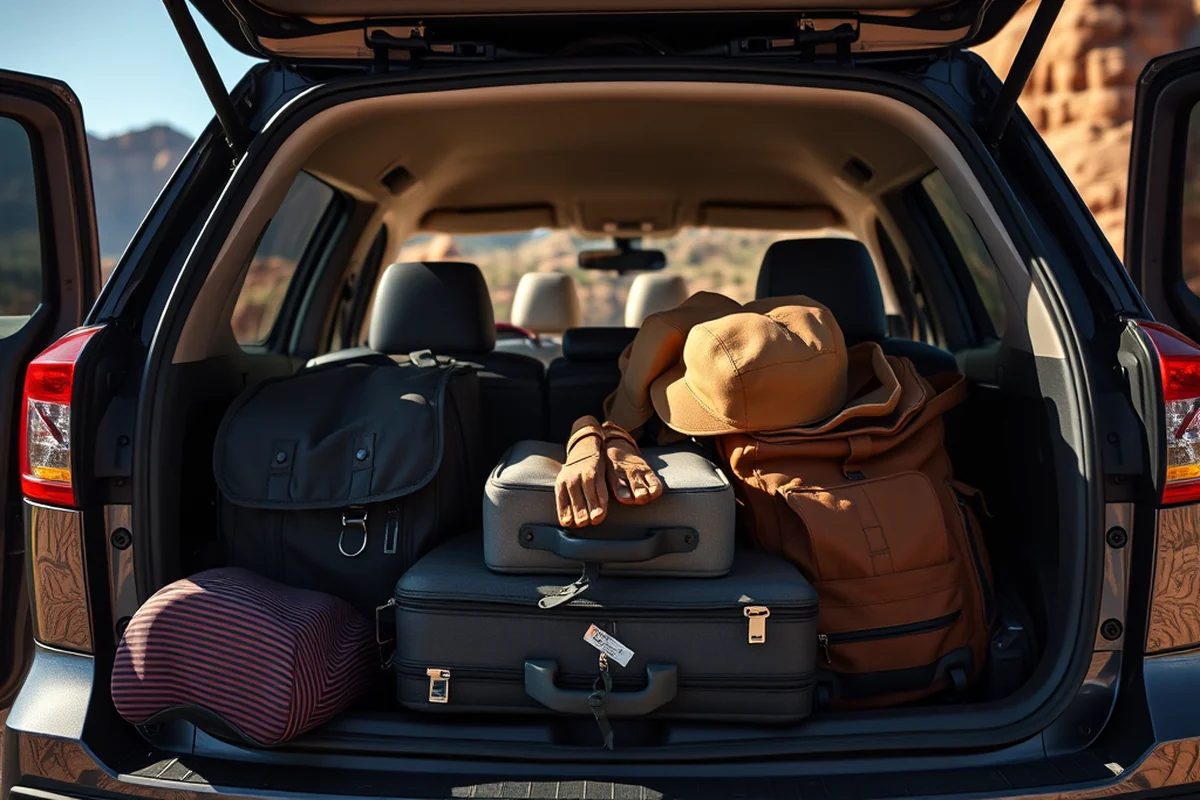
The park’s trails range from easy walks to multi-day treks, but the most popular ones are the ones that lead to the arches. The Devils Garden Trail is a must-do—it’s a 5.5-mile loop that takes you past several iconic formations, including the Double Arch, the Tower of Babel, and the Skyline Arch. I hiked it at sunrise, and the light was so soft that it felt like I was walking through a dream.
Another highlight is the hike to the Balanced Rock, a 2.5-mile round trip that leads to a massive boulder balancing on a narrow pedestal. The path is relatively easy, but the view from the top is breathtaking. I spent over an hour there, just sitting and taking it all in.
For a more adventurous challenge, the hike to the Courthouse Towers is a 13-mile round trip that takes you through a dramatic canyon and offers some of the most dramatic views in the park. It's a longer trek, but the reward is well worth it. I completed it in two days, and the trail was so quiet that I felt like I was the only person on earth.[3]
Every step on these trails feels like a step into a different world.
Related: Simple national park itinerary colorado
Related: What is at capitol reef national park
Related: National park service
Exploring the Park by Car
The park has a visitor center at the main entrance, and from there, you can drive through scenic routes that take you past some of the most iconic formations. The road to the Skyline Arch is a favorite—there's a pullout where you can park and take in the view. I recommend driving this route in the morning, as the light is soft and the crowds are still arriving.[4]
One of the most popular stops is the Windows Section, which includes the famous Windows Arch and the Towers Arch. These two formations are visible from the road and are a must-see. I stopped there on my way to the Devils Garden Trail and was amazed by how close the arches were to the road.
The park also has a scenic overlook at the Devil’s Garden area, which offers a panoramic view of the surrounding landscape. I stopped there for lunch and was struck by how vast the area was. It felt like I was looking out over an endless sea of red rock.
Arches National Park has a detailed map available at the visitor center. Use it to plan your route and see which stops you want to visit. I used the map to create a self-guided tour that covered the most iconic spots in two days.
“The first time I stood at the base of the Delicate Arch in Arches National Park, I felt like I had stepped into a different…”— Parkroutes editors
Related: Itinerary for olympic national park under 30 minutes
Related: Katmai national park in alaska
Photography Tips for the Perfect Shot
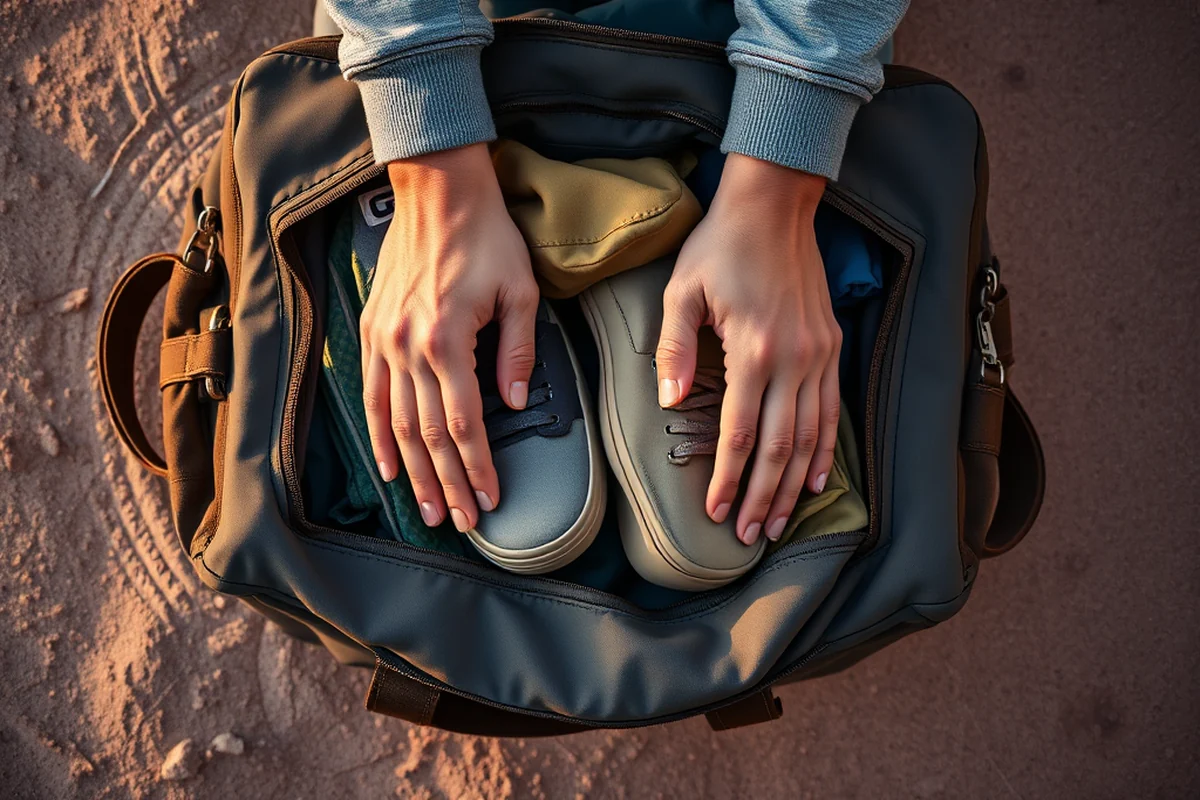
The best time to take photos is during the golden hours—sunrise and sunset. The light at these times is soft and warm, making the red rock formations look almost glowing. I took some of my best photos just after sunrise, when the light was diffused and the colors were more intense.
A wide-angle lens is essential for capturing the vastness of the landscape. I used a 16-35mm lens, and it made a huge difference in how the photos turned out. A tripod is also a good idea for low-light situations, like during sunrise or sunset.
Don’t forget to bring a polarizing filter. It helps reduce glare and enhances the colors in the rocks, making them look more vivid. I used one on my trip and was surprised by how much it improved the quality of the photos. It also helped reduce the amount of haze in the air, making the images clearer.
The Best Places to Stay
Moab is the gateway to Arches and the best place to stay if you're visiting the park. It has a range of accommodations, from budget-friendly motels to luxury lodges. I stayed at a mid-range hotel that had a great location and was close to restaurants and shops.
For a more rustic experience, there are several campgrounds within the park, like the Devils Garden Campground. It's a great option for those who want to be close to the trails and enjoy the sounds of nature. I stayed there for one night and loved waking up to the sunrise over the red rocks.
If you're planning a longer stay, consider booking a cabin or a lodge in Moab. They often have private amenities and are a good base for exploring the surrounding area. I stayed in a cabin for two nights and found it to be a great place to relax and take in the views from the balcony.
Tips for Visiting with Kids
Choose trails that are suitable for kids. The Devils Garden Trail is a good option for older children, but for younger ones, the shorter hikes like the one to the Windows Arch are better. I brought my 8-year-old on the shorter hike, and he was amazed by the views.
Bring plenty of water and snacks. The weather can be hot, and the trails can be long. I packed a cooler with drinks and snacks, and we took breaks along the way. It made a big difference in keeping the kids energized.
Consider bringing a picnic blanket or portable chairs for longer stops. We had a picnic at the Skyline Arch and enjoyed the view while eating. It was a great way to take a break and enjoy the scenery.
Kids may not realize it, but they’re creating memories that will last a lifetime.
Conservation and Leave No Trace
The park is part of the larger Colorado Plateau, a region known for its delicate ecosystems and unique geological formations. Visitors are encouraged to follow Leave No Trace principles to minimize their impact. I made sure to carry out all my trash and avoid touching the rocks or vegetation.
The park has strict regulations about where you can camp and hike. There are designated areas for camping, and you must stay on the marked trails. I followed these rules and found that the park was very well-maintained and clean.
Arches National Park also has a visitor center with educational programs and exhibits about the park’s history and conservation efforts. I visited the center and learned a lot about the geology of the area and the importance of preserving it.
🧳 Budget Adventure
Travel on a budget with a 3-day trip that includes a campsite stay, a few short hikes, and affordable meals in Moab.
🚗 Long Weekend Getaway
Pack a car, drive from Salt Lake City, and spend a long weekend exploring the park with a few easy hikes and a base in Moab.
👨👩👧👦 With Kids
A family-friendly trip that includes shorter hikes, picnic spots, and accommodations that cater to children.
❄️ Off-Season Visit
Experience Arches during the cooler months, with fewer crowds and the chance to see a different side of the park.
🏨 Luxury Getaway
Stay in a high-end lodge, enjoy private tours, and explore the park with the comfort of a luxury experience.
| The mistake | Why it happens | The fix |
|---|---|---|
| Not preparing for the weather | Arches National Park can have extreme weather conditions, including hot summers and cold winters. Failing to prepare can lead to dehydration or hypothermia. | Always check the weather forecast before your trip and pack appropriate clothing and gear. Bring layers, a hat, and sunscreen, even in the cooler months. |
| Ignoring the park’s rules | Arches National Park has strict rules to protect its fragile ecosystem and preserve its beauty. Ignoring these rules can damage the park and disrupt the experience for others. | Always follow the park’s rules, including staying on designated trails, not touching the rocks or vegetation, and carrying out all trash. |
| Overpacking the car | Overpacking can make it difficult to move around the park and can lead to stress and discomfort, especially on long hikes. | Pack light and only bring what you need. Use a backpack for carrying essentials during hikes, and leave non-essential items in the car. |
| Not planning the itinerary | Arches National Park has a lot to see, and not planning ahead can lead to missed opportunities and a rushed experience. | Use the park’s map and plan your route in advance. Decide which stops you want to visit and how much time you have to spend at each one. |
Arches National Park
Common Questions
What is the best time of year to visit Arches National Park?
Are there any guided tours available in the park?
What should I pack for a trip to Arches National Park?
Can I visit Arches National Park in the winter?
References
- POTD March 23, 2016: Delicate Arch, Arches National Park, Grand ... (geology.utah.gov)
- Hiking: Arches National Park | Academic Noncredit (continue.utah.edu)
- Annual Report of the Department of the Interior 1943 - GovInfo (govinfo.gov)
- Death Valley National Park | Department of Energy (energy.gov)
Cite this guide
Parkroutes (2026). Arches National Park. https://parkroutes.com/arches-national-park/
Feel free to cite or share this guide.