
Mammoth Cave National Park
📖 Table of Contents
The first time I stepped into Mammoth Cave National Park, I was struck by the silence — not the absence of sound, but the way the cave seemed to swallow the world outside. The air was cool, the ground was uneven, and the only light came from the headlamps of the people around me. This is Mammoth Cave National Park, a place that feels ancient and untouched by time, even as it welcomes millions of visitors each year. I’ve since returned multiple times, and each visit reveals new layers of history, geology, and wonder. (217837, doi.gov)[1]
What makes this park so special is the sheer scale of its underground world. Mammoth Cave is the longest known cave system in the world, stretching over 600 miles of explored passageways. My first tour was the Historic Tour, a 2.5-hour journey that took us through some of the most iconic chambers, like the Grand Avenue and the Rotunda. It was easy to see why the park is a UNESCO World Heritage Site — the formations are not just beautiful, they’re a window into Earth’s past.[2]
I remember walking through the Frozen Niagara, a vast chamber that looked like a frozen waterfall, and realizing how small I was in comparison to the ages of this place. Mammoth Cave National Park is not just about the caves — it’s also home to diverse ecosystems, from the Green River to the surrounding forests. Whether you’re a seasoned hiker, a history buff, or simply looking for a quiet escape, this park has something for everyone.
Why You'll Love This Journey
- Experience the world’s longest known cave system with expert-led tours.
- Enjoy a mix of geological marvels and outdoor recreation, from hiking to kayaking.
- Discover a rich tapestry of history, including early Native American presence and 19th-century exploration.
- Escape to a place where the natural world feels both ancient and alive.
Getting There and First Impressions
As of September 2026, Driving into the park, the first thing that strikes you is the rolling green hills that stretch in every direction. The visitor center is well-organized, with exhibits that explain the park’s geology, history, and conservation efforts. I found the interactive map particularly useful for planning my route. It’s also a good idea to arrive early — the parking lots fill up quickly, especially during peak season.
The park offers a range of accommodations, from camping to lodges, but if you’re looking for a more comfortable stay, the Mammoth Cave Hotel is just outside the park entrance. It’s a historic building that adds to the experience of the trip. I stayed there for two nights and found the rooms cozy and the service excellent.
The cost to enter the park is $30 per vehicle, and tours range from $10 to $30 per person, depending on the length and type. I recommend booking your cave tour in advance, especially if you’re visiting in the spring or summer when the park is busiest.[3]
Book your cave tour and accommodations early, especially during spring and summer. Arrive at the visitor center before 9 AM to avoid long lines.
Part of our National park itineraries guide.
The Cave Tours: What to Expect

The Historic Tour is a 2.5-hour guided walk through some of the most famous chambers in the cave. I was particularly impressed by the Grand Avenue, a long passage that feels like walking through a cathedral. The guide was knowledgeable and made the experience engaging, pointing out interesting formations and sharing stories about the cave’s history.
Another option is the Wild Cave Tour, which is more physically demanding and takes you through areas that are less explored. I didn’t take this one on my first visit, but I heard it’s a great way to see the cave from a different perspective. If you’re interested in photography or geology, this might be the tour for you.
For a more immersive experience, you can take the Frozen Niagara Tour, which includes a portion of the cave that is quite remote and only accessible by boat. I didn’t manage to take this tour, but I heard it’s a must-see for those who want to explore deeper into the cave system.
The cave is a living museum — every turn reveals a new story.
Related: National park itineraries for small spaces
Hiking and Exploring the Surface
One of my favorite surface hikes is the Green River Trail, which follows the Green River and offers stunning views of the surrounding landscape. The trail is about 3 miles long and takes about 2 hours to complete. I enjoyed the peacefulness of the trail and the chance to see wildlife like deer and turkeys.
Another popular trail is the Lost River Cave Trail, which leads to a subterranean river that can be explored by boat. I took the boat tour and found it to be a unique and memorable experience. The guide explained how the cave system was formed and shared some interesting facts about the wildlife that lives in the river.
For those looking for a more challenging hike, the Rock House Trail is a 6-mile loop that takes you through a series of caves and tunnels. I found the trail to be a bit strenuous, but the views and the sense of adventure made it worthwhile.
Most of the surface trails are best hiked during the day when the weather is more predictable. Bring a bottle of water and wear comfortable shoes for the best experience.
“The first time I stepped into Mammoth Cave National Park, I was struck by the silence — not the absence of sound, but the way…”— Parkroutes editors
Related: Glacier national park itinerary 7 days
The Natural and Historical Significance of the Park
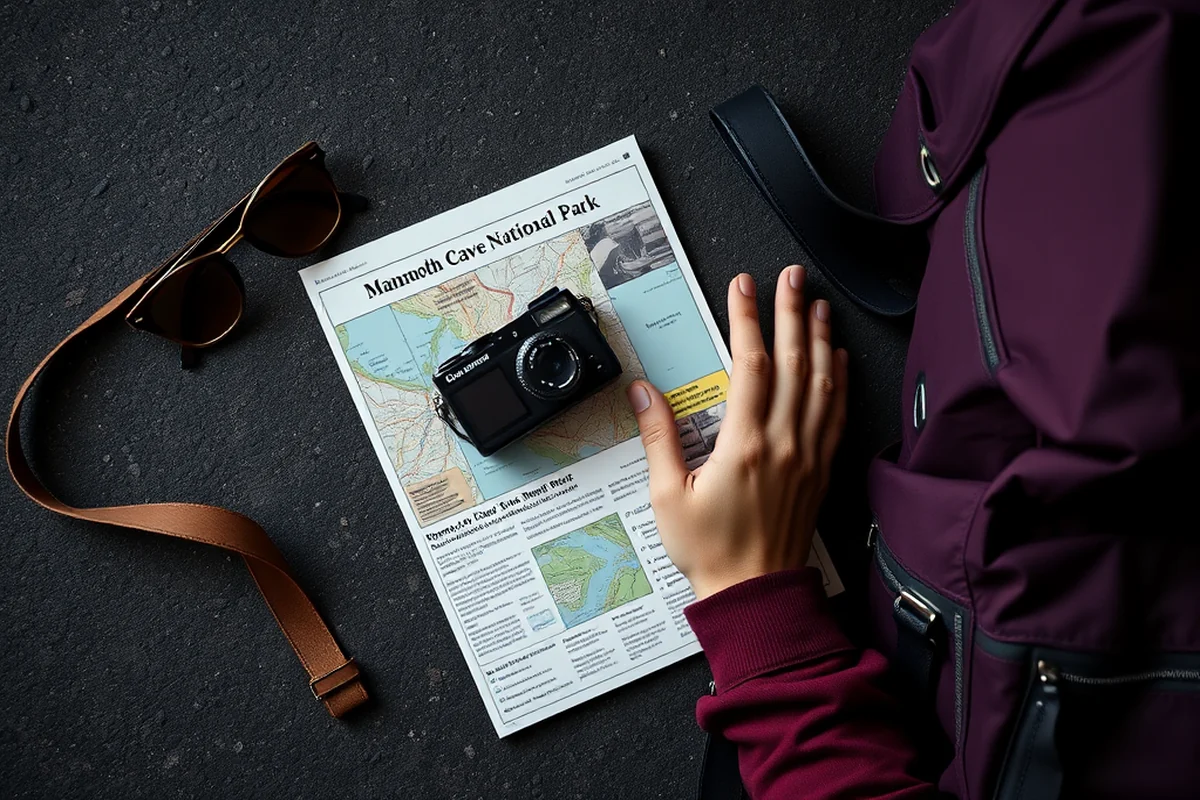
The park is home to a variety of ecosystems, from the underground river systems to the lush forests on the surface. The Green River, which flows through the park, is home to several species of fish, including the endangered green river snail. I found the wildlife to be one of the most fascinating aspects of the park.
The caves themselves are a geological wonder, formed over millions of years by the slow dissolution of limestone. The formations you see in the cave — stalactites, stalagmites, and flowstone — are the result of this process. I was amazed by the sheer scale of the formations and the way they tell the story of the Earth’s history.
The history of the cave is also rich and complex. It was first explored by Europeans in the early 1800s, and it was later used as a home, a shelter, and even a hospital during the Civil War. The park has several museums and exhibits that explore this history, making it a valuable destination for history buffs.
Related: National park itineraries ideas without tools
Conservation and Sustainability
The park has strict rules in place to protect the cave and its delicate ecosystem. Visitors are required to follow specific guidelines, such as not touching the formations and staying on designated trails. I found these rules to be essential in preserving the integrity of the cave for future generations.
The park also offers educational programs and guided tours that focus on conservation. I took a short workshop on the geology of the cave and learned about the importance of protecting the environment. The guides were passionate about their work and made the experience both informative and enjoyable.
In addition to conservation efforts, the park has implemented sustainable tourism practices, such as using renewable energy sources and reducing waste. I was impressed by the commitment to sustainability and the way the park manages its resources responsibly.
Related: National park itinerary from denver checklist
The Best Time to Visit
I visited the park in the spring and found the weather to be perfect — not too hot, not too cold. The trails were in full bloom, and the wildlife was active. I saw several species of birds and heard the calls of frogs in the wetlands. The cave was also cool and comfortable, making it an ideal time to explore.
During the spring, the park also hosts several events and festivals, such as the Mammoth Cave National Park Festival of Lights in the fall. While I didn’t attend this one, I heard it’s a great way to experience the park in a different way. The festival features guided tours, live music, and food vendors, making it a fun event for families and visitors.
Visiting during the spring also means you can take advantage of the park’s seasonal activities, such as birdwatching and photography. I spent a morning birdwatching and was amazed by the variety of species I saw. The guides were knowledgeable and made the experience enjoyable for both beginners and experts. ($73,238,000, nps.gov)[4]
In spring, the park is alive — the air is fresh, the trails are in bloom, and the cave feels especially magical.
Related: National park itineraries comparison
Tips for a Successful Trip
One of the most important tips is to pack comfortable shoes and clothing. The trails can be uneven, and the cave tours require walking on sometimes slippery surfaces. I wore sturdy hiking boots and found them to be essential for handling the terrain.
It’s also a good idea to bring a camera — the park offers incredible photo opportunities, both above and below ground. I took several photos of the cave formations and the surrounding landscape, and they became some of my favorite travel memories.
Finally, be prepared for the weather. The park is known for its unpredictable weather, so I always packed an umbrella and a light jacket. I was grateful for these items on a sudden rain shower during my trip.
🎒 Budget Adventure
Explore Mammoth Cave with minimal spending, focusing on free or low-cost experiences like hiking and self-guided tours.
🚗 Long Weekend Getaway
Spending three days in the park allows for a full experience, including cave tours, surface hikes, and overnight camping.
👨👩👧👦 With Kids
Take your family to Mammoth Cave with kid-friendly cave tours and educational programs designed for children.
🍂 Off-Season Exploration
Visit during fall or winter for a quieter experience, with fewer crowds and unique opportunities like snowshoeing.
🛏️ Luxury Stay
Indulge in a high-end stay at nearby resorts with guided tours and exclusive access to the park’s most iconic sights.
| The mistake | Why it happens | The fix |
|---|---|---|
| Not checking the weather before visiting. | ||
| Trying to take the Wild Cave Tour without proper preparation. | ||
| Ignoring the conservation rules. | ||
| Bringing food and drinks into the cave. | ||
| Not bringing a camera. |
Mammoth Cave National Park
Common Questions
What should I wear for a cave tour?
Are there any age restrictions for cave tours?
What is the best way to get around the park?
Can I bring food and drinks into the cave?
References
Cite this guide
Parkroutes (2026). Mammoth Cave National Park. https://parkroutes.com/mammoth-cave-national-park/
Feel free to cite or share this guide.