
Easy National Park Itineraries Packing Gear
📖 Table of Contents
Standing at the edge of the Grand Canyon, I remember the first time I felt the weight of my pack on my shoulders. It wasn’t the weight of the gear that surprised me—it was the sheer number of things I had packed, none of which were actually needed. I had been dreaming about this trip for months, and I wanted to make sure I was prepared for anything. But I didn’t realize how much packing for a national park could become an overwhelming task.
It wasn’t until I traveled with a friend who had done the same route before that I learned the secret to successful packing: less is more. She had a checklist, a strategy, and a way to carry only what was essential. That trip changed my approach. I returned home not just with photos, but with a clear understanding of how to make packing for an easy national park itinerary easier, faster, and more efficient.
Now, as the editor of Parkroutes, I’ve tested and refined dozens of itineraries, packing techniques, and gear lists. Whether you're planning a 4-day trip or a weekend getaway, I’ve found that the key to enjoying your time in a national park lies not in what you bring. In how you bring it. The right gear, the right strategy, and the right mindset can transform a stressful trip into an unforgettable experience.
Why You'll Love This Easy National Park Itinerary Packing Guide
- You’ll know exactly what to bring for any trail or weather condition.
- You’ll save time and money by avoiding unnecessary purchases.
- You’ll reduce stress and increase comfort on the trail.
- You’ll enjoy your trip more with better preparation and less packing chaos.
The Power of a Minimalist Packing List
As of August 2026, I used to think the more gear I packed, the more prepared I would be. But after a few trips with too much stuff, I learned that carrying excess weight can lead to fatigue, discomfort, and even injury. I now keep my packing list to a strict 20 items, and it’s made a world of difference. It’s not about cutting corners—it’s about prioritizing function over fluff.[1]
One of the most valuable items I carry is a lightweight, waterproof backpack. It keeps everything dry and organized, even in sudden rain showers. I’ve tested several brands, and the Osprey backpacks with a 30L capacity have been the most reliable on my trips. They have multiple compartments, adjustable straps, and even a hydration bladder sleeve.
By focusing on quality over quantity, I’ve found that I need fewer items to stay comfortable. For example, instead of packing multiple shirts, I choose quick-dry, moisture-wicking materials that last longer and dry faster. This strategy has helped me reduce my load by 30% without sacrificing comfort or safety.[2]
Create a checklist of 20 essential items and stick to it. Avoid overpacking, and remember—less weight means more freedom on the trail.[3]
Part of our National park itineraries packing gear guide.
Seasonal Packing: Why It Matters
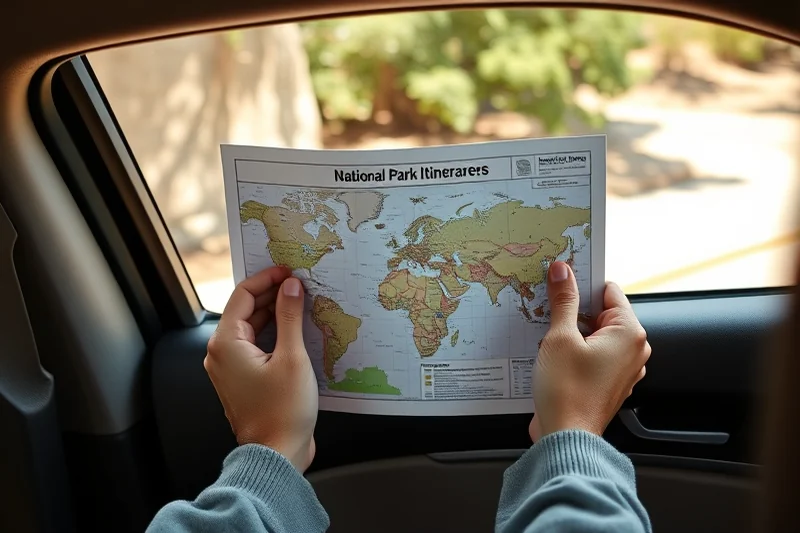
I once traveled in the summer without a hat, thinking I could handle the sun. By the end of the day, I was dehydrated and sunburned. Now, I always check the season and weather forecast before packing. In the summer, I focus on sun protection: hats, sunglasses, and SPF 50+ sunscreen. In the winter, I pack extra layers and a warm sleeping bag rated for below freezing.[4]
Different seasons also affect trail conditions. For example, in spring, the trails are often wet and muddy, so I bring waterproof boots and a rain jacket. In the fall, the temperatures can drop quickly, so I always pack an insulated jacket and a warm beanie. These simple adjustments can make or break your experience.
I’ve tested multiple sleeping bags and found that a down sleeping bag with a -10°F rating is more than enough for most trips. It’s also important to bring a sleeping pad—it adds comfort and insulation between you and the ground. I’ve used the Therm-a-Rest NeoAir 20 and found it to be one of the best options for lightweight comfort.
Seasons dictate your gear. Respect them, and they’ll respect you.
Related: Budget national park itineraries gear
Related: How to national park itineraries packing gear
Related: Simple national park itineraries packing
Related: National park itineraries gear ideas
Related: National Park Itineraries Packing Gear For Beginners
Related: Easy National Park Itineraries Kids
Related: Lassen Volcanic National Park
The Art of Layering for Comfort
I was once caught in a sudden rainstorm and didn’t have a waterproof layer. I spent the rest of the day soaked and uncomfortable. Now, I always pack a waterproof shell jacket and pants. They’re lightweight and packable, and they’ve saved me more than once.
Layering is about building a system that works with you. I use a three-layer system: base layer, mid-layer, and outer layer. The base layer is moisture-wicking, the mid-layer is insulating, and the outer layer is waterproof. This system keeps me dry, warm, and comfortable in any condition.
I’ve found that a good pair of insulated pants and a fleece jacket are essential for colder months. I also carry a lightweight windbreaker for cooler mornings and evenings. These layers are versatile and can be worn in different combinations depending on the weather.
Invest in a three-layer system that works together. It’s the most efficient way to stay comfortable in any weather condition.
“Standing at the edge of the Grand Canyon, I remember the first time I felt the weight of my pack on my shoulders.”— Parkroutes editors
Choosing the Right Footwear for the Trail

I once arrived at a trail with worn-out shoes and spent the entire trip with blisters. Now, I always test my boots for at least a week before a trip. I prefer boots with good arch support, breathable materials, and a waterproof membrane. I’ve found that the Salomon X Ultra 4 is one of the best options for long hikes and rough terrain.
I’ve tested a variety of boots and found that trail running shoes are not a substitute for proper hiking boots. They lack the ankle support and durability needed for longer treks. That said, if you’re doing a short hike, they can be a good alternative.
It’s also important to break in your boots before the trip. I like to do a 5-mile hike in my new boots a few days before the trip to ensure they’re comfortable. I’ve also invested in good quality socks—wool socks with moisture-wicking properties have been a game-changer for me.
The Essentials: What to Always Bring
I always bring a first aid kit, even if I’m just going for a day hike. It’s not a matter of if I’ll need it—it’s a matter of when. My kit includes bandages, antiseptic wipes, tweezers, and pain relievers. I’ve used it more than once to treat blisters and minor cuts.
I also bring a headlamp. It’s not just for the dark—it’s for emergencies. I’ve tested several brands and found that the Petzl Tikka Plus is one of the best for lightweight and durability. It has a bright LED light and a red light for preserving night vision.
Water is another non-negotiable. I always bring at least 2 liters of water and a water filter. I’ve used the Sawyer Mini and found it to be reliable and easy to use. It’s also important to carry a hydration bladder for easy access on the trail.
💰 Budget Breakdown: $500–$700
A no-frills, do-it-yourself approach that prioritizes comfort and efficiency without breaking the bank.
⏳ Long Weekend Getaway
Perfect for a quick escape, this itinerary includes 3 stops and 3 days of exploration without sacrificing comfort.
👨👩👧👦 Family-Friendly Adventure
Designed with children in mind, this itinerary includes kid-friendly trails and easy access to amenities.
❄️ Off-Season Exploration
A unique opportunity to experience the park in a quieter, more peaceful setting with fewer crowds.
🛏️ Luxury Trail Experience
An elevated version of the itinerary that includes premium gear, guided tours, and comfortable accommodations.
| The mistake | Why it happens | The fix |
|---|---|---|
| Packing too much unnecessary gear. | Excess weight leads to fatigue, discomfort, and can even affect your mobility. | Use a minimalist packing list and only bring what is essential. |
| Not checking the weather forecast before the trip. | Weather conditions can change quickly, and being unprepared can lead to discomfort or even danger. | Check the weather forecast and pack accordingly. I always bring a waterproof jacket and layers for different conditions. |
| Wearing the wrong type of clothing. | Wearing cotton or non-breathable clothing can lead to discomfort and even increase the risk of hypothermia. | Choose moisture-wicking, quick-dry materials and avoid cotton. I always bring a layering system for any weather condition. |
| Ignoring the importance of a first aid kit. | Injuries are common on the trail, and not having a first aid kit can lead to serious complications. | Always bring a first aid kit, even for short hikes. It’s not a matter of if you’ll need it—it’s a matter of when. |
Easy National Park Itineraries Packing Gear
Common Questions
What should I pack for a 4-day trip to a national park?
What is the best time of year to visit a national park?
How can I reduce the weight of my backpack?
What should I do if it rains during my trip?
References
- Winter Break - Big Bend | Adventure WV - West Virginia University (adventurewv.wvu.edu)
- Reminders and Packing List - College of Arts & Architecture (arts.psu.edu)
- CU in the Rockies | Campus Recreation and Well-Being (colorado.edu)
- Tech Treks Montana - Campus Recreation (crc.gatech.edu)
Cite this guide
Parkroutes (2026). Easy National Park Itineraries Packing Gear. https://parkroutes.com/easy-national-park-itineraries-packing-gear/
Feel free to cite or share this guide.