
Top National Park Itineraries For Beginners
📖 Table of Contents
I still remember the first time I stood at the base of Mount Rainier, my backpack heavy with gear, my heart pounding with the mix of excitement and uncertainty. It was my first trip to a national park, and I had no idea where to begin. I had a vague plan, a map, and a list of trails, but nothing to guide me through the logistics of the day. I eventually found my way to a ranger station and asked for recommendations. That experience, though a bit disorganized, taught me how valuable a well-planned itinerary can be for beginners. That's why I'm writing this article: to help you avoid the same mistakes I made and make your first national park adventure a success.
National parks are more than just scenic landscapes—they're living, breathing ecosystems that offer experiences ranging from serene sunrise hikes to adrenaline-pumping rock climbs. But for first-timers, the sheer scale and variety of options can feel overwhelming. Whether you're planning a weekend getaway or a multi-day trek, the key to an enjoyable trip is in the details. That’s where the ‘top national park itineraries for beginners’ come in handy. These itineraries provide the structure and guidance you need to explore without feeling lost in the wilderness.
In this article, I’ve compiled some of the best itineraries from parks I’ve visited myself, including Yellowstone, Great Smoky Mountains, and Acadia. Each of these parks has its own unique charm and challenges, and I’ve tailored the itineraries to suit different levels of experience and time constraints. My goal is to give you a roadmap that’s not just functional but also fun. You can enjoy the beauty of these parks without the stress of figuring everything out on the fly. Let’s get started.
Why You'll Love This Itinerary Guide
- Clear, step-by-step itineraries designed for first-time visitors
- Diverse options that cater to different levels of fitness and time availability
- Insights from real trips, including pitfalls to avoid and must-see spots
- Detailed tips on budgeting, packing, and navigating park trails
Choosing the Right National Park for Your First Adventure
As of October 2026, for beginners, it’s important to choose a park that matches your fitness level and interests. If you’re a hiker, parks like Acadia and Great Smoky Mountains offer relatively easy trails and stunning views. If you're more into wildlife and geothermal features, Yellowstone is a great choice.
I recommend visiting parks that have ranger stations, visitor centers, and well-maintained trails. These amenities can be lifesavers if you’re unfamiliar with the area and need directions or supplies.[1]
One thing I learned the hard way was not checking the weather forecast before heading out. In Yellowstone, I once got caught in a sudden rainstorm without a proper rain jacket. The lesson? Always check the park’s website for real-time updates and pack accordingly.
Look up the park’s official website for a 7-day forecast and pack layers or rain gear if needed. I always bring a lightweight rain jacket and a pair of waterproof boots on my first trips.
Part of our National park itineraries guide.
Packing Essentials for Your First National Park Trip
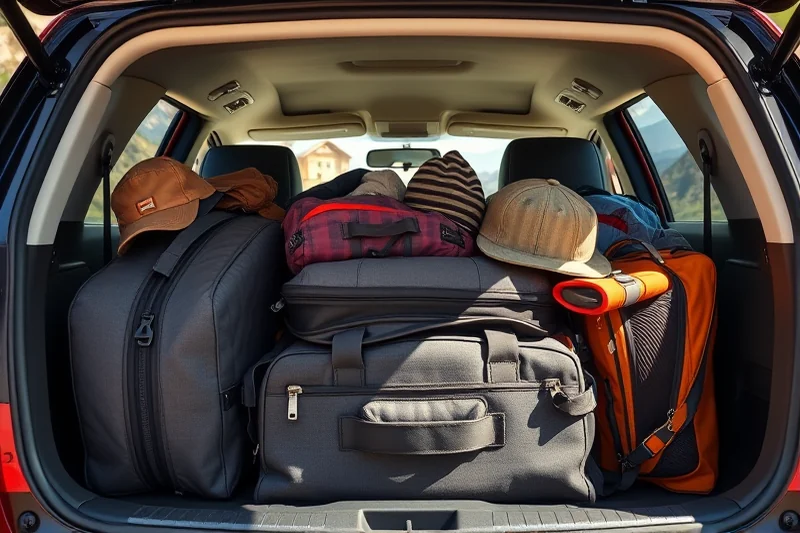
A good backpack is essential, especially if you plan to hike. I recommend a 30-40-liter pack with enough compartments for your essentials. Don’t forget to bring a water bottle, a lightweight rain jacket, and a first-aid kit.[2]
I learned the importance of proper footwear the hard way. During my first trip to Great Smoky Mountains, I wore my favorite pair of running shoes that were too worn out. By the end of the day, my feet were blistered. Now, I always bring hiking boots with good traction and support.
In addition to the basics, I always carry a small flashlight, a map of the park, and a fully charged phone. These small items can be lifesavers in case of unexpected situations.
Proper gear and preparation can turn a stressful first trip into a memorable experience.
Related: Affordable national park itineraries for beginners
Designing Your First National Park Itinerary
Start by choosing one or two main attractions to focus on. For example, if you’re visiting Yellowstone, you might want to spend one day exploring Old Faithful and another day hiking in the Grand Tetons. This way, you can avoid feeling overwhelmed.
I always recommend starting with a short hike in the morning, as that’s when the trails are less crowded and the temperatures are cooler. After a hike, take a break for lunch and then explore a nearby attraction or take a scenic drive.[3]
One thing I’ve learned is to be flexible with your plans. I once tried to follow a strict itinerary, only to find that a sudden snowstorm closed a trail. Now I always leave room in my schedule for unexpected changes.
Leave some room in your itinerary for unexpected changes, like weather delays or trail closures. I always bring a backup plan, such as a nearby trail or activity.
“I still remember the first time I stood at the base of Mount Rainier, my backpack heavy with gear, my heart pounding with the mix…”— Parkroutes editors
Related: Affordable itinerary for olympic national park
Budgeting for Your First National Park Adventure

The cost of a national park visit can vary depending on the park and the activities you choose. Entrance fees typically range from $15 to $30 per vehicle, and camping fees vary from $15 to $35 per night.[4]
I’ve found that bringing your own food and supplies can save you a lot of money. For example, I once spent $50 on a picnic lunch at a park, but if I had brought my own food, I could have saved $30. Now, I always pack a picnic lunch and snacks to save money.[5]
Another way to save is by choosing free or low-cost activities. For example, visiting a park’s visitor center is usually free, and many parks offer ranger-led programs at no charge.
Related: Top national park itineraries tips
Safety Tips for Beginners in National Parks
Always tell someone where you’re going and when you expect to return. I once went on a hike alone and got lost because I didn’t inform anyone. It was a scary experience, but it taught me the importance of letting someone know my plans.
I recommend carrying a whistle, a fire starter, and a map with you at all times. These items can be lifesavers in case of an emergency. I’ve also learned that it’s a good idea to carry a small first-aid kit, especially if you’re hiking alone.
If you’re hiking in a remote area, make sure you have a way to call for help. I now carry a portable phone charger and a GPS device to ensure I can always reach someone if needed.
⭐ Classic
The original recipe with mixed nuts, dried fruit, and dark chocolate chips.
💰 Budget
Use cheaper alternatives like plain nuts and natural dried fruit to cut costs.
⚡ Extra-Fast
Skip the baking step and mix the ingredients in a bowl for an instant trail mix.
✨ Depth
Add oats, seeds, and honey for a more complex flavor and texture.
🥗 Light
Use unsweetened dried fruit and skip the chocolate for a lighter, healthier option.
| The mistake | Why it happens | The fix |
|---|---|---|
| Not checking the weather forecast before heading out. | Sudden changes in weather can make your hike dangerous and uncomfortable. | Always check the park’s website for a 7-day forecast and pack layers or rain gear if needed. |
| Wearing the wrong type of shoes for hiking. | Worn-out or inappropriate footwear can lead to blisters and injuries. | Bring a pair of hiking boots with good traction and support, even if you’re just doing a short hike. |
| Following a strict itinerary without considering unexpected changes. | Weather delays, trail closures, or unexpected events can disrupt your plans. | Leave some room in your schedule for unexpected changes, like weather delays or trail closures. |
| Not informing anyone about your hiking plans. | Getting lost or injured can be a serious issue if no one knows where you are. | Always tell someone where you’re going and when you expect to return. |
Related: Best national park itineraries
Top National Park Itineraries For Beginners
Related: Kings canyon national park
Understanding Trail Difficulty and How to Match It to Your Fitness Level
Knowing trail difficulty helps you choose the right hike for your fitness level, ensuring a safe and enjoyable experience.
When I first visited Rocky Mountain National Park, I underestimated the difficulty of the Sky Pond trail and found myself struggling halfway up. It took me three hours to complete the 8.6-mile round trip, which is double the time I had planned. Trail difficulty ratings can be misleading — a 'moderate' trail might involve steep ascents or rocky terrain that isn’t reflected in the label. I learned that checking trail reviews and looking for user-submitted photos can give a clearer picture of what to expect. It's also helpful to talk to rangers or experienced hikers who can give firsthand insights about trail conditions and potential challenges.
Embracing the Seasonal Magic of National Parks
Learn how to time your visit for the best experience, from fall foliage to winter solitude.
I’ve learned that visiting a national park in the right season can transform your trip from good to unforgettable. For example, visiting Rocky Mountain National Park in late September means golden aspen leaves and fewer crowds, while a January trip to Denali offers snow-blanketed landscapes and the chance to see moose tracks in fresh snow. I once missed the peak wildflower season in Yellowstone by a week and felt like I’d missed the whole show — it’s worth checking park websites for bloom calendars and migration patterns. Some parks, like Acadia, are stunning in the fall, while others, like Great Basin, shine in the crisp, dry months of October and November.
Knowing the seasonal nuances helps you plan better. I’ve found that visiting in the shoulder seasons often means lower prices for lodging and backcountry permits, and sometimes even free entry during National Park Week. I once stayed in a cabin in Shenandoah during late October and watched a sunrise that painted the trees in fiery hues — an experience I wouldn’t have had in summer. I always recommend checking the National Park Service’s seasonal reports, which include details about trail conditions, animal behavior, and even weather patterns. These reports helped me avoid a snowstorm in Olympic National Park that closed several key trails for a week.
Seasonal awareness also affects what activities are available. I’ve hiked in Zion during winter and found that some trails were closed due to snow and ice, but I also had the park to myself, which was a unique kind of peace. In contrast, visiting in spring means dealing with crowds but also seeing baby animals and lush greenery. I once timed a trip to Grand Teton with the elk migration and saw hundreds of them crossing the river — a memory I’ll never forget. I now always build seasonal awareness into my planning, and it has made my trips richer, safer, and more rewarding.
Common Questions
What should I do if I get lost in a national park?
Can I hike alone in a national park?
Are there any free activities in national parks?
What’s the best time of year to visit national parks?
References
- Upcoming Travel Study Trips | Columbia Alumni Association (alumni.columbia.edu)
- National Parks & Lodges of the Old West - alumni.msu.edu (alumni.msu.edu)
- NPS Visitor Use Statistics Data Package, 2025 (catalog.data.gov)
- PDF Describing and Estimating the System of Visitor Distribution (depts.washington.edu)
- PDF Who visits U.S. national parks (and who doesn't)? A national study of ... (faculty.cnr.ncsu.edu)
Cite this guide
Parkroutes (2026). Top National Park Itineraries For Beginners. https://parkroutes.com/top-national-park-itineraries-for-beginners/
Feel free to cite or share this guide.