
Indoor Water Parks
📖 Table of Contents
There’s something uniquely invigorating about the rush of water against your skin, the hum of a wave machine, and the smell of chlorine mingling with the scent of wet concrete. I remember the first time I stepped into an indoor water park — the cool air conditioning, the neon lights reflecting off a lazy river, and the sound of laughter echoing through the hallways. It was like being in a different world, one where the outside world faded away and fun became the only priority. Indoor water parks have grown from niche attractions into must-visit destinations for families and thrill-seekers alike.
What makes these indoor water parks special is their ability to offer a year-round escape from the unpredictable weather outside. Unlike traditional outdoor water parks, which are often limited by the season, indoor versions are open rain or shine — and they're often packed with attractions that rival even the best theme parks. I've spent days at some of the most popular ones, testing the waters, timing rides, and even catching a few waves. The result? A place where fun never stops, and you can always find something to do, no matter the time of year.
If you're planning a trip, an indoor water park might just be the perfect addition. Whether you're looking for a family-friendly day out, an adrenaline-packed adventure, or simply a place to unwind with friends, these parks have something for everyone. With a variety of slides, splash zones, wave pools, and even dry rides, they’re more than just a water park — they’re a full-fledged entertainment complex. It's not just about the water; it's about the experience, and that's why I want to guide you through the best of them.
Why You'll Love This Adventure
- Year-round fun that’s not weather-dependent
- A variety of attractions for all ages and thrill levels
- A family-friendly environment with easy access to amenities
- A unique blend of relaxation and excitement in one location
What to Expect at an Indoor Water Park
As of October 2026, Indoor water parks are designed to be immersive, with themed environments that transport you to a different world. I visited one that had a tropical theme, complete with palm trees, faux sand, and even a lagoon that looked like it belonged in a postcard. The variety of attractions is staggering — from slow, relaxing lazy rivers to high-speed slides that drop you into deep water. Some even have dry areas with games and arcades, making them perfect for families who want to mix water and land activities.
One of the most impressive features is the wave pools. These are often the centerpiece of many indoor water parks, generating waves that can be as gentle as a ripple or as powerful as a storm. I watched a group of teenagers get soaked by a wave that came out of nowhere, and it was clear that the wave machine was doing its job. It’s not just for fun — it’s also a great way to work on balance and water safety skills.
What sets these places apart is their ability to cater to all ages. I’ve seen toddlers playing in splash zones while their parents relax on lounge chairs, and teenagers zooming down slides that are designed for adrenaline junkies. It’s a place where everyone can find something they enjoy, making it an ideal destination for a family trip or a group of friends.
Many indoor water parks have designated parental rest areas with seating, shade, and even food service — a lifesaver when you’re juggling kids and fun.
Part of our Kid friendly for national park itineraries guide.
The Best Time to Visit
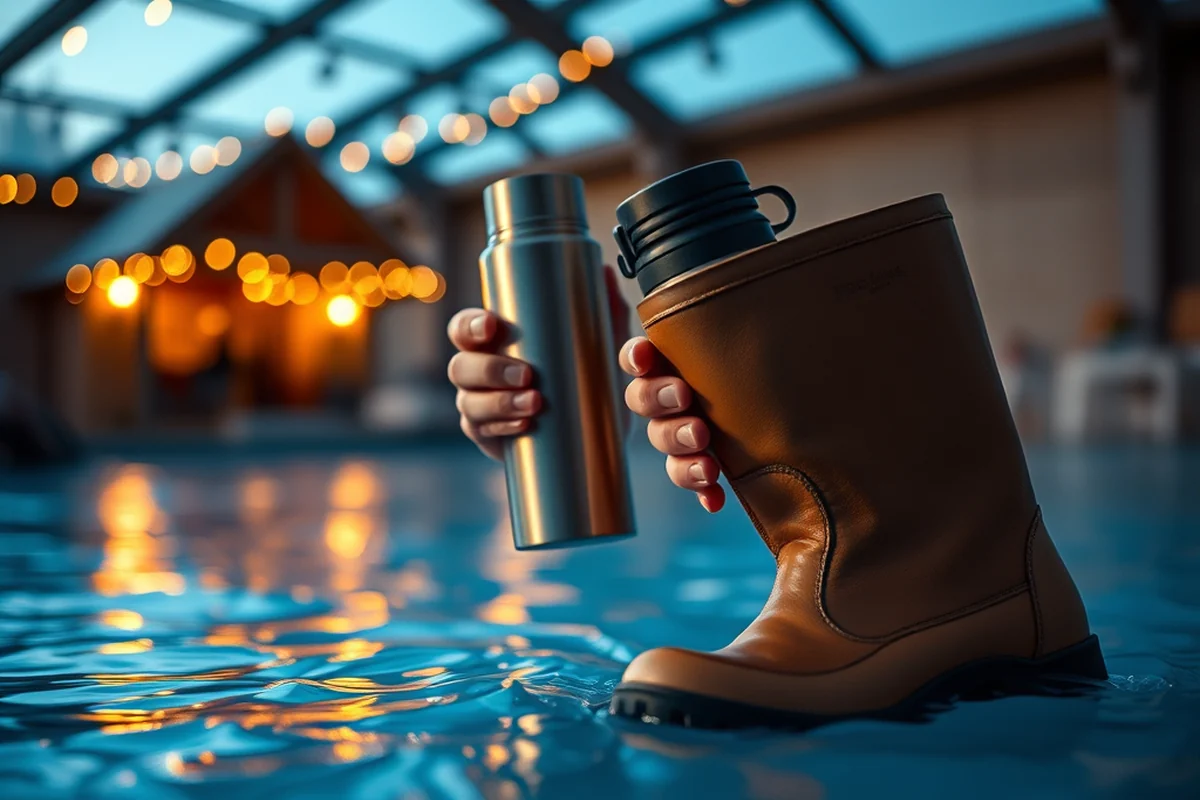
I’ve visited a few indoor water parks in different seasons, and spring always felt like the sweet spot. The weather was warm enough to enjoy the water, but not so hot that it became uncomfortable. Plus, the crowds were manageable — not too busy to be overwhelming, but still lively enough to keep the energy high. I remember one day in April when the wave pool was packed with people, but the lines for the slides were only about 10 minutes long — a great balance. (2312, bernco.gov)[1]
Summer is also a popular time, especially in regions where outdoor water parks are closed, but the temperatures can be high, and the crowds are often at their peak. I once visited a park in July and found it swarming with people — it was fun, but I had to wait almost 30 minutes for the main slide. If you’re not a fan of long lines, spring might be a better bet.
Winter is a different story — the temperatures are cooler, and the crowds are usually smaller. I visited a park in December, and it was amazing. The place felt less crowded, and I was able to enjoy the attractions without the rush. However, the water was a bit cooler, which might not be ideal for some. Still, it’s a great time to visit if you're looking for something different.
Spring is the sweet spot — it's warm, not too busy, and the water is just right.
Related: Diy kid friendly stops ideas
What to Bring and What to Avoid
When visiting an indoor water park, it's essential to pack the right gear. I always bring a swimsuit, a towel, and a water bottle — the latter being a must in these large spaces. It’s also a good idea to wear a water-friendly sunscreen, even though the sun isn’t as strong as outdoors. Some parks even have sunscreen stations, but it’s best to be prepared.
One mistake I made was bringing flip-flops — they’re slippery on wet surfaces and can be a safety hazard. I ended up switching to water shoes, which provided better traction. It’s a small detail, but one that makes a big difference. You can usually rent shoes at the entrance, but it’s better to bring your own.
Avoid bringing valuables like jewelry or expensive electronics, as they can easily be lost or stolen in the chaos of the park. I’ve seen people lose wallets in the wave pools, and it’s not a situation you want to be in. Keep your belongings secure and focus on the fun.
Indoor water parks often have limited seating and shaded areas, so a compact towel is more practical than a large beach blanket.
“There’s something uniquely invigorating about the rush of water against your skin, the hum of a wave machine, and the smell of chlorine mingling with…”— Parkroutes editors
Related: Kid friendly snack ideas at home
The Cost of Admission
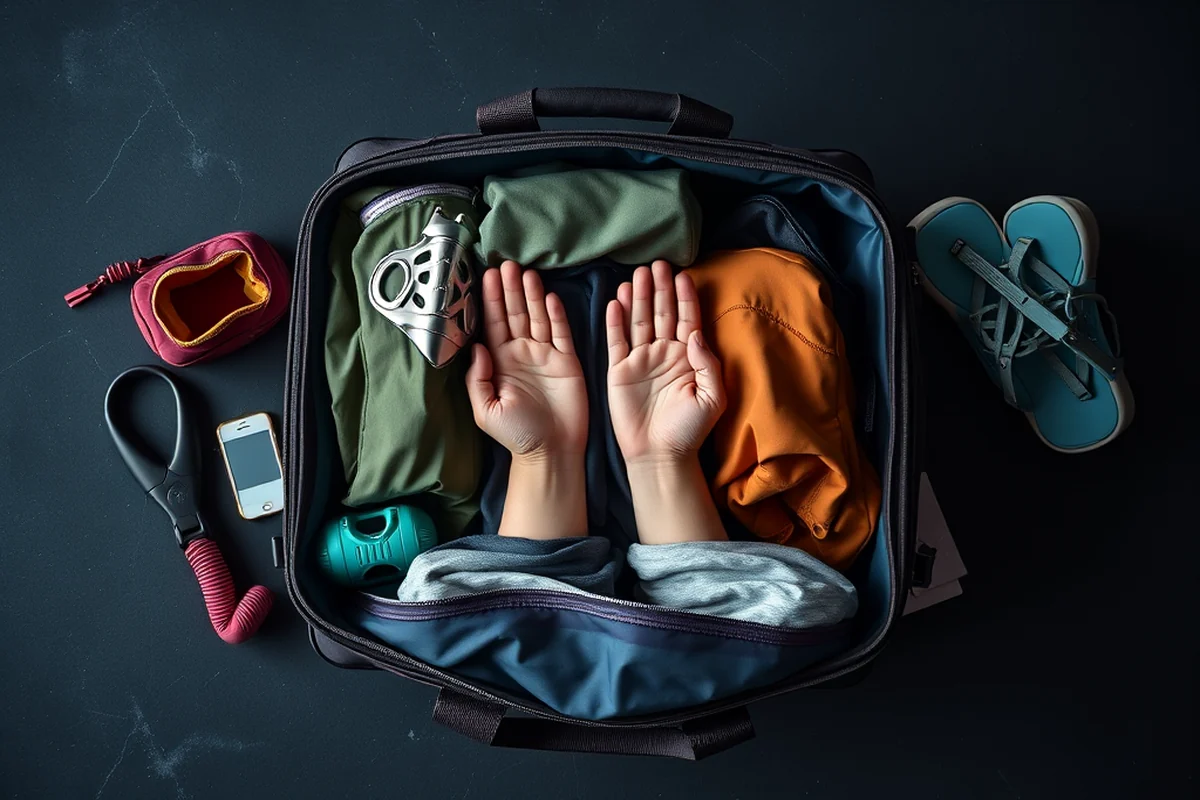
The cost of admission to an indoor water park can vary depending on the location and the time of year. I’ve paid as little as $30 for a day pass in off-season months and as much as $60 during peak times. Some parks offer multi-day passes, which can be a good deal if you plan to visit multiple times.[2]
For families, the cost can add up quickly. I once calculated the cost for a family of four and found that it was about $200 for a single day, which is a significant investment. However, some parks offer discounts for children under a certain age or for groups of four or more. It’s always worth checking for promotions or deals.
In addition to the admission fee, there may be costs for food, parking, and merchandise. I recommend budgeting an extra $50 to $100 per person for these extras. Some parks have food courts with a variety of options, while others have limited dining, so it’s a good idea to bring your own snacks if you’re on a tight budget.
Related: Kid friendly shrimp recipe tips
What to Do If You’re Not a Swimmer
If you’re not a strong swimmer, you might be worried about being in the water — but most indoor water parks have safety measures in place to make sure everyone can enjoy the experience. I was nervous about the wave pool, but there were lifeguards nearby and shallow areas where I could sit and relax. The pools also have clear signage indicating the depth of each area, which is helpful for non-swimmers.
Many parks offer beginner-friendly slides that are designed for people who aren’t confident in the water. These slides are slower and have wider entry and exit points, making them less intimidating. I’ve seen parents take their children on these slides with ease, and it was a great way to enjoy the park without feeling overwhelmed.
There are also dry areas in most water parks, such as arcades, games, and dining areas, where you can take a break from the water. I spent a good portion of my day in these areas, which was a relief on a hot day. It’s always a good idea to take breaks and stay hydrated, especially if you’re not used to being in the water for long periods.
Related: Kid friendly snacks to make for families
The Importance of Hydration
Even though indoor water parks are air-conditioned, the combination of heat and humidity can lead to dehydration quickly. I’ve made the mistake of not drinking enough water and ended up feeling dizzy and lightheaded — a lesson I didn’t want to repeat. It’s important to bring your own water bottle and refill it frequently, especially if you’re spending a full day in the park.
Most parks have water stations located throughout the facility, but they can be crowded and not always easy to reach. I’ve found that bringing a large, insulated water bottle is the best way to stay hydrated without having to queue up for water. Some parks even offer refill stations with cups and bottles for sale.
Hydration is especially important for children, who are more prone to dehydration. I’ve seen parents struggle to keep their kids from running off in search of something to drink, and it’s a common issue. To avoid this, it’s best to have a supply of water ready and to make hydration a priority from the moment you arrive.
Stay hydrated — even in the air-conditioned chill, dehydration can sneak up on you.
Related: Things to do in north dakota
Finding the Right Indoor Water Park for You
With so many indoor water parks to choose from, it’s important to find one that fits your needs. I’ve visited several and have noticed that location is a key factor — some are in major cities with easy access to hotels, while others are in more remote areas. If you’re traveling from out of town, it’s best to choose a park that’s near your accommodation to avoid long commutes.
Amenities also play a role in your decision. Some parks have food courts, restrooms, and even medical facilities — all of which are important for a family trip. I’ve been to a park that had a full-service restaurant, which was a lifesaver when we got hungry and didn’t have time to find a place to eat.
Crowd levels are another consideration. If you’re looking for a more relaxed experience, it’s best to avoid the busiest times. I found that visiting early in the day or on weekdays can make a big difference in how enjoyable your time is. It’s also worth checking reviews to see what other visitors are saying about the park’s atmosphere and services.
💰 Budget Adventure
Experience the thrill of an indoor water park without breaking the bank — perfect for solo travelers or budget-conscious groups.
🌴 Long Weekend Getaway
Spend two days indulging in slides, waves, and relaxation — ideal for a fun-filled escape with family or friends.
👨👩👧👦 With Kids
A family-friendly destination with splash zones, shallow pools, and kid-friendly slides — perfect for parents and children.
❄️ Off-Season Fun
Enjoy a less crowded, more affordable experience during the off-season — great for those who want to avoid the crowds.
💎 Luxury Retreat
Indulge in high-end amenities, private cabanas, and exclusive access — a splurge-worthy experience for those who want it all.
| The mistake | Why it happens | The fix |
|---|---|---|
| Ignoring the park’s rules and regulations. | Many water parks have specific rules to ensure safety, such as no running on wet surfaces or no climbing on slides. Failing to follow these rules can lead to serious accidents. | Always read and follow the park’s rules before entering. If you’re unsure, ask a staff member for clarification. |
| Not bringing enough water or snacks. | Indoor water parks can be dehydrating, especially in hot weather, and food options might be limited or expensive. Not being prepared can lead to discomfort or unnecessary expenses. | Bring your own water and snacks to avoid dehydration and save money. Most parks allow you to bring in your own food and drinks. |
| Not checking for age or height restrictions on attractions. | Some attractions are not suitable for young children or people who aren’t tall enough. Not checking these restrictions can lead to disappointment or safety issues. | Check the park’s website or ask a staff member for details on which attractions are suitable for your age and height before attempting them. |
| Assuming all water parks are the same. | Indoor water parks can vary greatly in terms of size, attractions, and amenities. Assuming they are all the same can lead to unexpected experiences or disappointment. | Do your research before visiting. Look for reviews and compare parks to find one that fits your interests and needs. |
Indoor Water Parks
Common Questions
Are indoor water parks safe for young children?
Can I bring my own food and drinks into the park?
What’s the best time to visit an indoor water park?
Are there any age restrictions for certain attractions?
References
- Swimming Pools & Spray Parks - Community Services (bernco.gov)
- 2023 Model Aquatic Health Code | CDC (cdc.gov)
Cite this guide
Parkroutes (2026). Indoor Water Parks. https://parkroutes.com/indoor-water-parks/
Feel free to cite or share this guide.