
Big Bend National Park
📖 Table of Contents
The first time I stood on the rim of the Chisos Mountains in Big Bend National Park, I felt like I had entered a different world—one where the horizon stretched endlessly and the silence was so deep it felt like a physical thing. Big Bend National Park, located in the far west of Texas, is a place where the landscape feels ancient and untouched, where the air is crisp and the sun sets in shades of orange that you can’t find anywhere else. I had read about it for years, but nothing prepared me for the raw beauty that greeted me as I stepped out of my car and into the vastness.
Big Bend is one of the largest national parks in the United States, but it’s also one of the least visited, which is a bit of a paradox. It’s not because the park is inconvenient or unremarkable, but because it’s so remote and so vast that many people don’t know where to start. I remember my first trip being a bit of a blur of trails, campfires, and the occasional wildlife encounter. It’s not the kind of park you can cover in a day, and that’s part of what makes it so special. You need to slow down, breathe deeply, and let the land speak to you.
If you’re thinking about a trip to Big Bend, you’re in for something that feels like a journey into the soul of the American Southwest. I’ve returned there several times, and each visit has revealed new layers of wonder. From the rugged desert canyons to the lush mountain forests, from the Rio Grande’s winding path to the star-strewn skies, Big Bend is a place that demands your full attention. It’s not about ticking off sights—it’s about connecting with a place that feels like it was made for quiet reflection and awe.
Why You'll Love This Remote National Park
- Unparalleled natural beauty with diverse landscapes in one park
- Opportunities for solitude and reflection in a world that’s too busy
- Unique wildlife and plant species not found anywhere else
- Stargazing that feels like you’re in a different universe
What Makes Big Bend Unique?
As of September 2026, Big Bend is unlike any other national park I’ve visited. It’s not just a place—it’s a crossroads of ecosystems. The Chisos Mountains rise dramatically from the desert floor, creating a dramatic contrast with the arid plains of the Chihuahuan Desert. The Rio Grande flows along the park’s southern edge, carving through the landscape in a way that feels almost sacred. This diversity of terrain makes it a haven for wildlife and a playground for hikers, photographers, and anyone seeking solitude.
I remember the first time I saw the Chisos Basin at sunrise. The light was golden, and the air was so still that I could hear the distant call of a canyon wren. The basin itself is a hidden oasis, with a small lake and lush vegetation that feels completely out of place in the desert. It’s one of the few places in the park where you can see trees and wildflowers in abundance, and it’s a reminder of the park’s ecological richness.
Big Bend is also home to a variety of wildlife, from the elusive jaguar to the common mule deer. I once spotted a mountain lion near the South Rim, and it was one of the most thrilling experiences of my life. The park’s remoteness means that animals are used to humans, but they still keep their distance—making every encounter a privilege.
Weather in Big Bend can change rapidly, especially in the mountains. Pack layers and be ready for sudden temperature drops or rain showers, even in the summer months.
Part of our National park itineraries guide.
The Best Trails to Explore
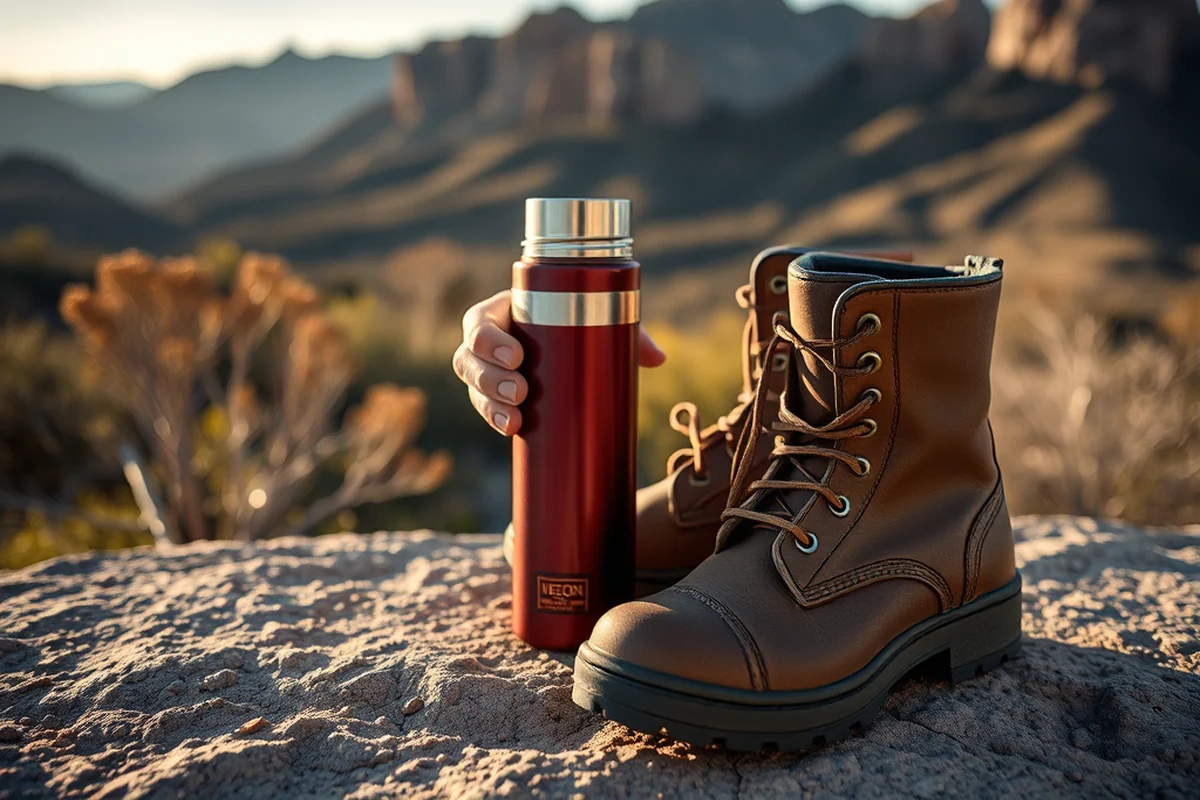
Trail running in Big Bend is a unique experience, and the South Rim Trail is one of my favorites. It’s a 10-mile loop that takes you through some of the park’s most dramatic landscapes. The trail is well-marked, and the views from the summit are worth every step. I remember one run where the sun was setting behind the Chisos Mountains, and the colors of the sky were so vivid that I felt like I was in a painting.[1]
If you’re looking for something more challenging, the Lost Mine Trail is a must. It’s a 12-mile round-trip hike that takes you through the desert to a historic mine. The trail is steep and rugged, but the reward is a breathtaking view of the surrounding canyon. I’ve done this trail several times, and each time, I find something new—whether it’s a hidden waterhole or a rare plant I didn’t recognize.[2]
For a more leisurely hike, the Windows Trail is a great option. It’s a 6-mile round-trip path that takes you through the desert and offers some of the best views of the surrounding landscape. I’ve often stopped to take photos of the sun setting over the desert, and the way the light reflects off the rocks is something I’ll never forget.
Every trail in Big Bend is a journey into the unknown.
Related: National park itineraries tips for families
Related: Cheap national park itinerary alaska
Related: Best national park itineraries tips
Stargazing in Big Bend
Stargazing in Big Bend is an experience that changes everything. I remember my first night there, when I was so stunned by the number of stars that I couldn’t believe I was actually looking at the Milky Way. The sky was so dark that I could see the constellations in perfect clarity, and it felt like I was floating in a universe of my own.
The park has several designated stargazing areas, and I recommend the Mariscal Campground for the best views. It’s located on a high plateau, and the sky here is completely unspoiled by city lights. I’ve spent entire nights here, lying on a blanket and watching the stars move across the sky. It’s a peaceful and humbling experience that’s hard to describe in words.[3]
The park even offers stargazing programs led by rangers, which are a great way to learn about the night sky. I attended one of these programs once, and it was one of the most informative and enjoyable experiences I’ve had in the park. The rangers explained how to identify constellations and shared some interesting facts about the stars we were looking at.
Evenings in Big Bend can be surprisingly cold, especially in the higher elevations. Pack a jacket or thermal layers to stay comfortable during your stargazing adventures.
“The first time I stood on the rim of the Chisos Mountains in Big Bend National Park, I felt like I had entered a different…”— Parkroutes editors
Related: National park itinerary from las vegas without tools
Related: Affordable glacier national park itinerary 7 days
Camping in Big Bend
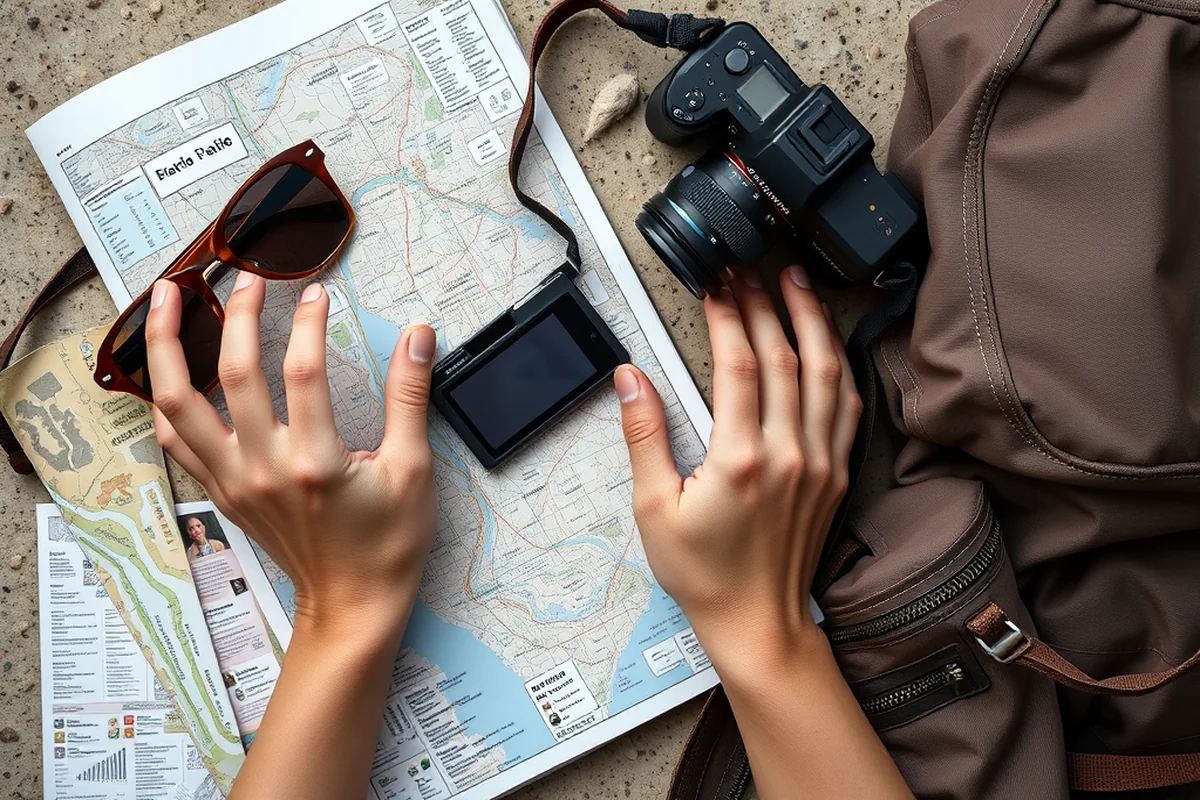
Camping in Big Bend is one of the best ways to experience the park, and the variety of options makes it accessible to everyone. Whether you’re looking for a backcountry site with no amenities or a fully equipped campground with showers and electricity, Big Bend has something for you. I’ve stayed in several different campsites over the years, and each one has offered a unique experience.
One of my favorite places to stay is the Chisos Basin Campground. It’s located in the heart of the park, and the views from the campsite are simply stunning. I remember one night when I woke up to find the sky completely clear, and the Milky Way was so bright that it felt like I was looking into a galaxy of my own. It was one of the most magical experiences I’ve ever had.
For those who prefer a bit more comfort, the Mariscal Campground is a great option. It’s located on a high plateau, and the views are incredible. The campsite has showers, electricity, and even a small general store. It’s a great place to stay if you’re looking for a balance between comfort and adventure.
Wildlife Encounters in Big Bend
Wildlife in Big Bend is a highlight of any visit, and the diversity of animals here is truly remarkable. I’ve seen everything from bighorn sheep to canyon wrens, and each encounter has been a unique experience. The park is also home to several species that are not found anywhere else in the world, making it a must-visit for nature lovers.
One of my most memorable wildlife encounters was spotting a mountain lion near the South Rim. I was hiking along the trail when I saw it walking in the distance. It was completely still, and for a moment, I felt like I was part of a scene from a movie. I was so lucky to see it, and it was one of the most thrilling experiences of my life.
The park also has a variety of birds, including the rare Mexican spotted owl. I’ve heard the call of this owl on several occasions, and it’s a haunting and beautiful sound that you can’t hear anywhere else. The park’s wildlife is a constant reminder of the natural beauty that exists in the wild.
The Best Time to Visit Big Bend
If you’re planning a trip to Big Bend, I highly recommend visiting in the spring. The weather is mild, and the wildflowers are in full bloom, making the landscape look like a painting. I remember one spring when I visited, and the valley was covered in yellow and blue wildflowers, creating a stunning contrast with the desert rocks.[4]
Spring is also a great time for hiking, as the temperatures are not too hot, and the air is fresh and clean. I’ve done several hikes in the spring, and each time, I’ve been amazed by the beauty of the landscape. The trails are also less crowded during this time, making it easier to enjoy the solitude that Big Bend is known for.
However, spring is not the only good time to visit. Summer is also a great time for those who enjoy warmer weather and longer days. The nights are still cool, and the desert is at its most vibrant. I’ve found that each season has its own unique charm, and it’s hard to pick a favorite.
Spring in Big Bend is a season of color, life, and wonder.
Getting to Big Bend
Getting to Big Bend is not always easy, but the journey is part of the adventure. The park is located in the far west of Texas, and the nearest major city is El Paso. From there, you can drive or take a bus to the park. I’ve taken both options, and each has its own advantages. Driving gives you more flexibility, while taking a bus is a great option for those who want to avoid the stress of driving.
The road to Big Bend is a scenic route that takes you through some of the most beautiful landscapes in Texas. I remember the first time I drove to the park, and I was completely mesmerized by the views. The road winds through desert canyons and mountain ranges, creating a sense of anticipation as you approach the park.
Once you arrive at the park, there are several entrances to choose from. The most popular one is the South Rim, but the East and West entrances also offer unique experiences. I recommend taking your time to explore the different entrances, as each has its own charm and character.[5]
💰 Budget Adventure
A cost-effective way to explore Big Bend with minimal expenses and maximum adventure.
📅 Long Weekend Escape
A short but immersive trip to Big Bend that allows you to experience the park in just a few days.
👨👩👧👦 With Kids
A family-friendly itinerary that includes easy trails and kid-friendly activities.
❄️ Off-Season Trek
A unique way to experience Big Bend during the colder months, when the park is less crowded and the scenery is different.
🏨 Luxury Stay
A high-end trip to Big Bend that includes luxury accommodations and exclusive amenities.
| The mistake | Why it happens | The fix |
|---|---|---|
| Assuming the weather will be hot all year round. | Big Bend can experience cold temperatures, especially in the mountains and during the winter months. | Pack layers and be prepared for changing weather conditions, even in the summer. |
| Not bringing enough water for the hike. | Dehydration is a serious risk in the desert, and it can happen quickly. | Always bring at least two liters of water per person for each day of hiking, and drink regularly to stay hydrated. |
| Ignoring the park’s backcountry permits. | Some areas of Big Bend require backcountry permits, and failing to obtain one can result in fines or being turned away. | Research the park’s regulations and apply for any necessary permits before your trip. |
| Not checking trail conditions before heading out. | Trail conditions can change rapidly due to weather or wildlife, and some trails may be closed for safety reasons. | Check the park’s website or contact the visitor center before heading out to get the latest information on trail conditions. |
Big Bend National Park
Common Questions
What is the best way to get to Big Bend National Park?
Is there cell phone reception in Big Bend?
Are there any dangers in Big Bend National Park?
What should I bring on a trip to Big Bend?
References
- Winter Break - Big Bend | Adventure WV - West Virginia University (adventurewv.wvu.edu)
- New report gives overview of visitors to Big Bend area - AgriLife Today (agrilifetoday.tamu.edu)
- Big Bend National Park Panther Junction - Montana State University (arc.lib.montana.edu)
- Researchers unearth big possum that lived around 60 million years ... (biodiversity.ku.edu)
- National Park Campgrounds | David and Kay Scott: Travel Writers (blog.valdosta.edu)
Cite this guide
Parkroutes (2026). Big Bend National Park. https://parkroutes.com/big-bend-national-park/
Feel free to cite or share this guide.