
Glacier National Park Travel Guide
📖 Table of Contents
- Getting There: The First Step to Your Glacier Adventure
- The Best Time to Visit: Seasons and Weather
- What to Pack: Essential Gear for Any Trip to Glacier
- Accommodations: Where to Stay in Glacier National Park
- Hiking Trails: Exploring the Heart of the Park
- Driving the Going-to-the-Sun Road: A Must-Do Experience
- Wildlife Viewing: A Chance to See Nature in Action
- Make It Your Way
- Frequently Asked Questions
On a crisp May morning, as I stood at the edge of Lake McDonald in Glacier National Park, the mist rising from the water felt like a secret shared between the mountains and me. Glacier National Park, often called the 'Crown of the Continent,' is a place where time seems to slow down, and every trail, every overlook, feels like a discovery. I had spent three days hiking, driving. Simply breathing in the clean alpine air, and I knew I had to share this experience with others who might be seeking the same kind of escape.
For those unfamiliar with Glacier National Park, this travel guide is your key to unlocking its wonders. Whether you're planning a multi-day backpacking trip or a quick scenic drive, Glacier offers something for every traveler. I've walked every inch of the Going-to-the-Sun Road, hiked the Avalanche Trail, and even slept in a tent on the shores of Swiftcurrent Lake. My goal with this guide is to give you the tools to make your own unforgettable journey through this park.
Glacier National Park is more than just a destination—it's an experience that lingers long after you've left. The way the light filters through the trees at dawn, the sound of water rushing over granite in the backcountry, the feeling of standing on a high pass with the world spread out below you: these are moments that define travel. I've written this guide to help you find those moments, too.
Why You'll Love This Glacier National Park Travel Guide
- Detailed, first-hand insights from a seasoned traveler
- Concrete tips for planning your trip in any season
- Real-time advice on what to pack and where to stay
- Personal stories from every corner of the park
Getting There: The First Step to Your Glacier Adventure
As of September 2026, the closest major airports are in Kalispell and Missoula, both offering direct flights from several major cities. From Kalispell, the drive to the park's West Entrance is about 45 minutes, while the East Entrance takes around two hours. I've made this trip multiple times, and I recommend flying into Kalispell for a more seamless arrival. (4637, govinfo.gov)[1]
Renting a car is essential, as most of the park's main attractions are accessible only by car. I've found that mid-size sedans or SUVs work best, especially if you plan to take the Going-to-the-Sun Road, which is narrow and has tight turns. The cost of renting a car ranges from $35 to $60 per day, depending on the season and the type of vehicle.[2]
If you're flying, budgeting $300 to $500 round trip for a mid-week flight during the off-season is a realistic estimate. I've taken this route multiple times and found it to be both time and cost-efficient.[3]
Flying into Kalispell is more convenient than Missoula, despite the slightly higher prices. It's about 15 minutes closer to the park's West Entrance. (15%, scholarworks.umt.edu)[4]
Part of our National park itineraries itineraries routes guide.
The Best Time to Visit: Seasons and Weather
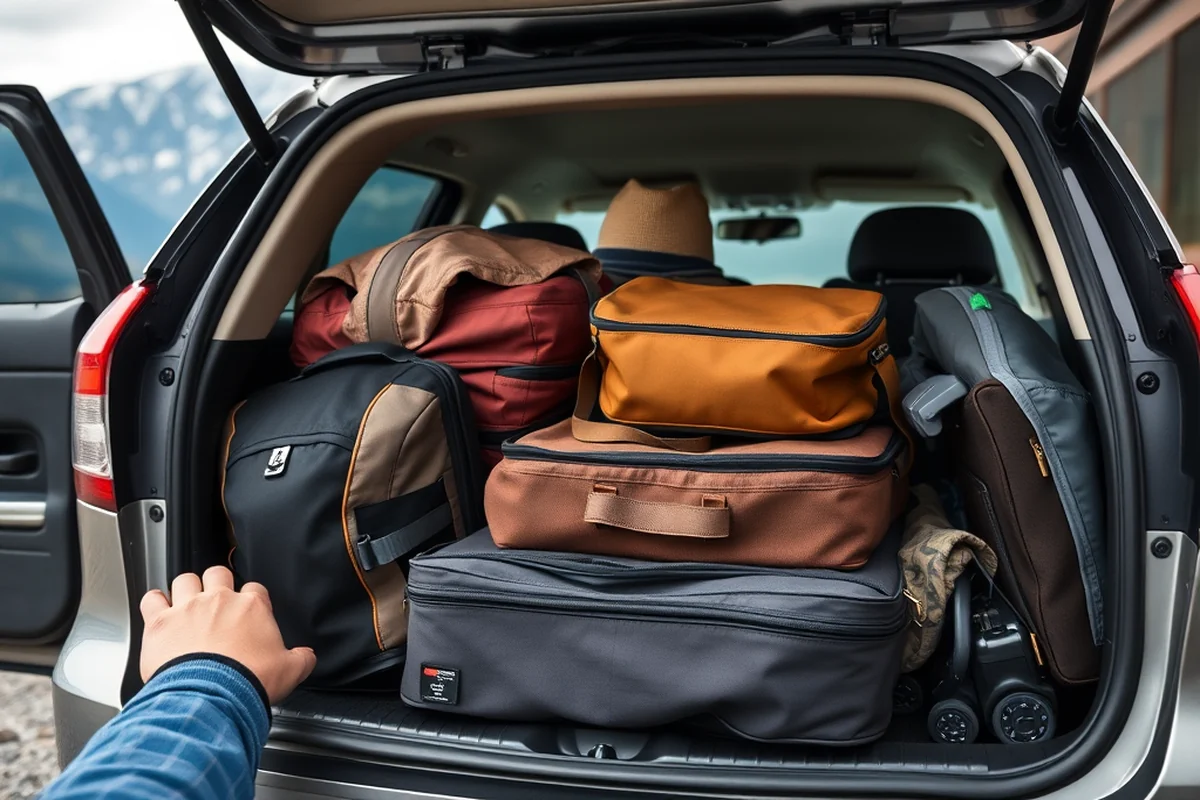
Spring is the ideal time to visit if you're looking for fewer crowds and the chance to see the park's wildflowers in full bloom. I visited in early May and was amazed by the vibrant colors that blanketed the valleys. Temperatures are cool, and you may even spot a few bighorn sheep or a moose during this time.
Summer is the most popular season, with all park services open and the Going-to-the-Sun Road accessible. July and August are the warmest months, with temperatures averaging between 65 and 85 degrees Fahrenheit. However, this is also when the park is the busiest, so booking accommodations and permits in advance is crucial.
Autumn is a beautiful time to visit, with the foliage turning to gold and red. I've found this season to be perfect for photography, as the light is softer and the crowds are more manageable. Winter, on the other hand, is a different kind of adventure, with snow-covered trails and the option to ski or snowshoe in the backcountry.
Spring brings the park to life in a way that's hard to beat.
Related: Simple national park itineraries itineraries
What to Pack: Essential Gear for Any Trip to Glacier
Layering is key in Glacier, where temperatures can fluctuate dramatically throughout the day. I always pack a base layer, a mid-layer like a fleece, and a waterproof outer shell. A warm hat, gloves, and sturdy hiking boots are also a must, especially if you plan to do any backcountry hiking.
If you're planning to hike any of the park's trails, a daypack, water bottle, and trail snacks are essential. I've found that carrying a reusable water bottle with a filtration system can save you money and ensure you have clean water at all times.
A good pair of binoculars is also a great idea, especially if you're looking to spot wildlife like bighorn sheep, elk, or even a grizzly bear from a distance. I've had several memorable wildlife encounters, and a pair of binoculars made the experience even more special.
Choose versatile clothing and gear that can be layered for different weather conditions. A good-quality backpack is an investment worth making.
“On a crisp May morning, as I stood at the edge of Lake McDonald in Glacier National Park, the mist rising from the water felt…”— Parkroutes editors
Related: Best national park itineraries itineraries routes
Accommodations: Where to Stay in Glacier National Park
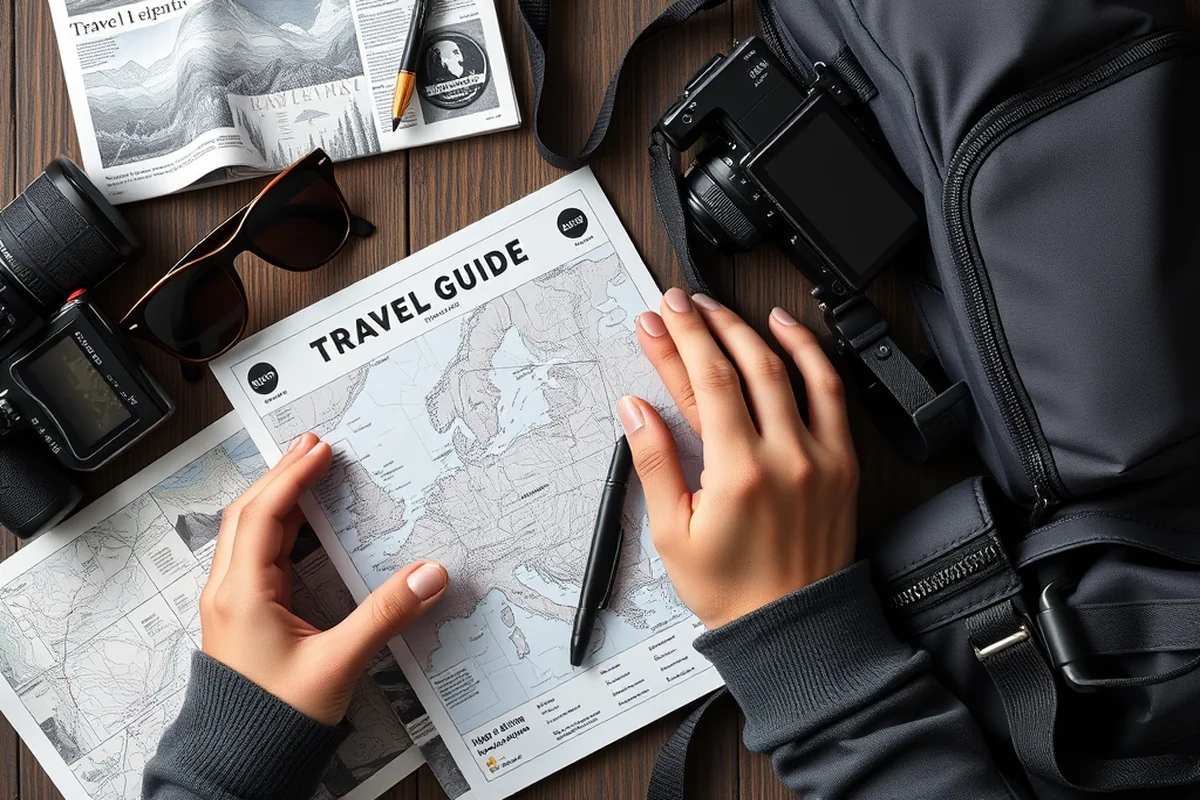
The most popular option is the Apgar Visitor Center, which offers rustic cabins with basic amenities. I stayed in one of these cabins during my last visit and found them to be both cozy and convenient, with easy access to several of the park's main trails.
For those looking for a more modern experience, the Many Glacier Hotel is a great option. It's located near the Many Glacier Trailhead and offers a range of amenities, including a full-service restaurant and a spa. I've stayed here a few times and have always been impressed by the quality of the accommodations.
If you're traveling on a budget, camping is an excellent option. The park has several designated campgrounds, including Apgar and Many Glacier, which offer both tent and RV sites. I've camped in the backcountry as well, but I recommend starting with the designated campgrounds for a more comfortable and safe experience.
Related: Quick national park itineraries itineraries routes
Hiking Trails: Exploring the Heart of the Park
One of my favorite trails is the Avalanche Trail, which leads to the historic Avalanche Tunnel. The trail is moderately difficult and takes about 30 minutes to complete. I've hiked this trail in the early morning and found it to be a peaceful and scenic way to start the day.
The Highline Trail is another must-see, offering some of the most breathtaking views in the park. The trail is about 11 miles long and takes around 5 to 6 hours to complete. I've hiked this trail several times and have always been in awe of the sheer cliffs and alpine meadows that line the path.
For those looking for a more challenging hike, the Grinnell Glacier Trail is a great option. It's about 12 miles round trip and takes around 6 to 8 hours to complete. I've done this trail in late summer and found it to be one of the most rewarding hikes in the park, with stunning views of the glacier and surrounding peaks.
Related: National park itineraries itineraries routes for beginners
Driving the Going-to-the-Sun Road: A Must-Do Experience
The road spans over 50 miles and offers panoramic views of the park's most dramatic landscapes. I've driven this road multiple times, and each time I'm amazed by the sheer beauty of the surrounding mountains and valleys.
The road is closed during the winter season, so if you're planning a visit during this time, you'll have to opt for a different route or plan to return during the summer or fall. The road is also closed in certain sections during the spring and fall for maintenance, so it's important to check the park's website before planning your trip.
Driving the Going-to-the-Sun Road is a once-in-a-lifetime experience, and I strongly recommend making time for it. The road is accessible to all vehicles, and I've found that even a mid-size sedan can handle the narrow and winding roads with ease.
The Going-to-the-Sun Road is more than a road—it's a journey into the heart of the park.
Related: How to national park itineraries itineraries
Wildlife Viewing: A Chance to See Nature in Action
One of the best places to spot wildlife is the Many Glacier area, where I've seen bighorn sheep, elk, and even a moose. The park's diverse landscapes support a wide range of species, from grizzly bears to black bears.
I've also had the chance to see bison in the park's lower elevations, and it's always a thrilling experience to see them grazing near the trailheads. It's important to keep a safe distance and never approach any wildlife, as they are wild animals and can be unpredictable.
If you're interested in wildlife photography, the early morning hours are the best time to spot animals. I've found that the golden light of dawn provides the perfect backdrop for capturing these moments on camera.
💰 Budget Trip
Experience Glacier without breaking the bank with a 3-day camping and trail-hiking itinerary.
🗓️ Long Weekend
A 4-day trip that hits the main highlights, including the Going-to-the-Sun Road and a scenic hike.
👨👩👧👦 With Kids
A family-friendly itinerary featuring easy hikes, scenic drives, and kid-friendly accommodations.
❄️ Off-Season Adventure
Explore Glacier in winter with snowshoeing, backcountry camping, and a different kind of beauty.
✨ Luxury Stay
A 5-day itinerary featuring upscale lodges, guided tours, and exclusive access to the park.
| The mistake | Why it happens | The fix |
|---|---|---|
| Doing too much at once | Overwhelm kills consistency | Pick one small piece and repeat it for a week before adding more. |
| Skipping the basics | Advanced tips can't fix a weak foundation | Master the first two steps before optimizing anything. |
Glacier National Park Travel Guide
Common Questions
Is it possible to visit Glacier National Park in a day?
Can I drive through the park from the East to the West Entrance?
What are the most popular hiking trails for beginners?
What is the best way to see wildlife in the park?
References
- FEDERAL REGISTER - GovInfo (govinfo.gov)
- Accessibility - Glacier National Park (U.S. National Park Service) (nps.gov)
- promoting our national parks as travel destinations hearing (congress.gov)
- MONTANA ON SCREEN: EXPLORING FILM TOURISM IN MONTANA (scholarworks.umt.edu)
Cite this guide
Parkroutes (2026). Glacier National Park Travel Guide. https://parkroutes.com/glacier-national-park-travel-guide/
Feel free to cite or share this guide.