
Great Basin National Park
📖 Table of Contents
I remember the first time I entered Great Basin National Park, the silence was so profound it felt like the world had paused just for me. The air was crisp, and the scent of pine mingled with the earthy aroma of the desert soil. It was a moment I’ll never forget, and it was here that I realized how few people actually know about this hidden gem nestled in the heart of Nevada.
Great Basin National Park is one of those places that feels like it belongs in a travel brochure, but it’s rarely the headline. It’s a park that’s less crowded, more authentic, and packed with natural wonders that feel untouched. From the star-filled skies of the Lehman Caves to the ancient bristlecone pines that have stood for thousands of years, this park is a treasure that deserves more attention.
What makes Great Basin National Park special isn’t just its beauty — it’s its sense of timelessness. I’ve walked through the dark, winding tunnels of Lehman Caves, stared in awe at the night sky from the highest point in the park. Felt the cool mist of the Lehman Creek as I hiked through the forest. It’s a place where the past and present merge, and I’ve come to understand that this is why I keep returning.
Why You'll Love This Adventure
- Unparalleled stargazing opportunities with minimal light pollution.
- A chance to walk among some of the oldest living trees on Earth.
- A peaceful, less-crowded alternative to more popular national parks.
- A rich tapestry of ecosystems from desert to alpine landscapes.
Stargazing in the Dark Sky of Great Basin
As of October 2026, the park has been designated a Dark Sky Park by the International Dark-Sky Association, making it a top destination for stargazers. I’ve spent countless nights here, lying on the cold ground with my blanket and binoculars, watching the Milky Way arc across the sky. The silence of the desert at night is something else entirely, and the stars seem to pulse with life.
On one of my trips, I attended a ranger-led astronomy program where I learned how to identify constellations and even saw Saturn through a telescope. The experience was transformative, and it’s something I recommend to every traveler who wants to see the universe in its most pristine form.
There are several designated stargazing areas, including the visitor center and the Lehman Caves parking lot, where you can park your car and take in the view. I’ve also found that the best views are from the top of the Wheeler Peak, where the elevation gives you an unobstructed view of the sky.
Bring a red flashlight to preserve your night vision. Avoid using bright white lights, as they can ruin the experience for others.
Part of our National park itineraries guide.
The Bristlecone Pines: Ancient Sentinels of Time
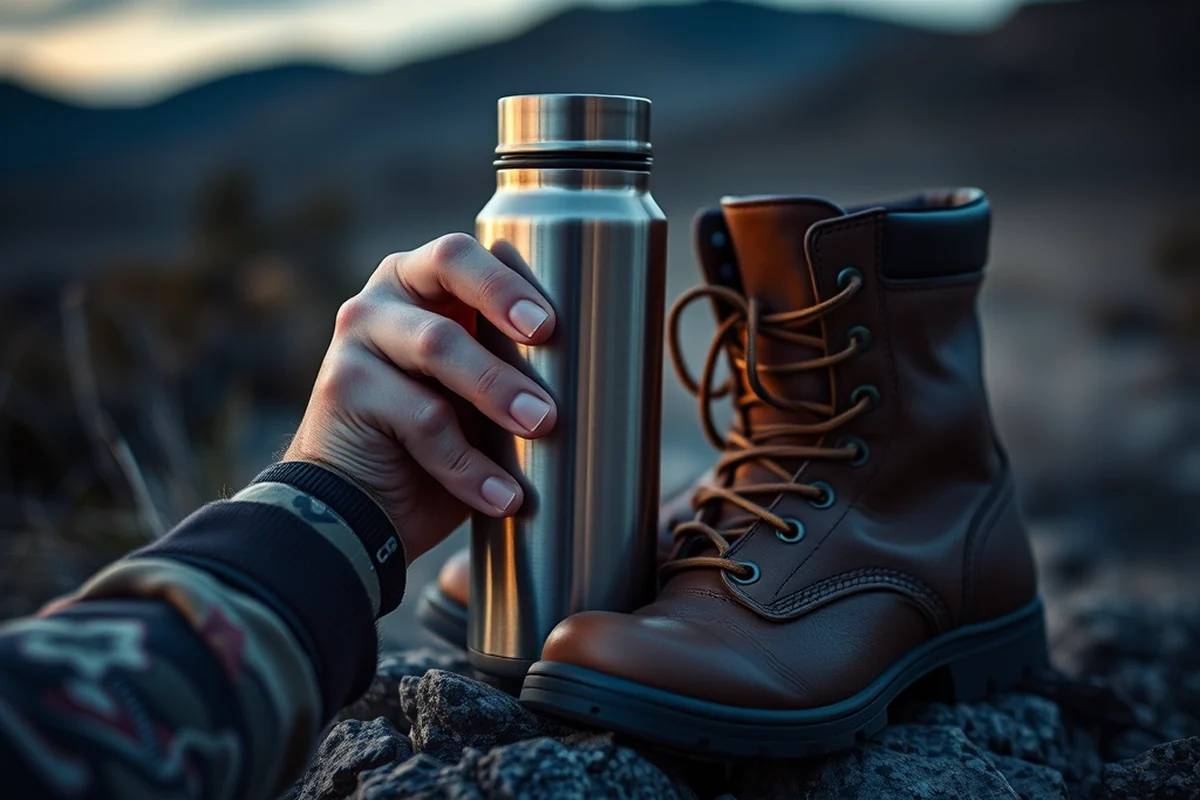
Walking among the bristlecone pines is like stepping back in time. These trees, some of which are over 5,000 years old, have weathered storms, droughts, and even the Ice Age. I remember standing under one of them, feeling dwarfed by its size and the sheer weight of history it carried.[1]
The Methuselah Trail is a short but incredibly moving walk that takes you through a grove of these ancient trees. I’ve sat on the ground, just listening to the wind as it rustled the leaves. It’s a humbling experience, and one that leaves a lasting impression.
The park offers ranger-led walks in the spring and summer, which are a great way to learn more about the trees and their history. I’ve always found that these walks add a layer of depth to the experience, making it more than just a hike — it becomes a lesson in resilience.
Time stands still among the bristlecone pines.
Related: National park service
Lehman Caves: A Subterranean Wonder
I still remember the first time I entered Lehman Caves. The air was cool and damp, and the rock formations glowed with a soft, otherworldly light. The caves are a labyrinth of stalactites, stalagmites, and other formations that have been shaped by water over millions of years.
One of my favorite parts of the tour was the Grand Staircase, where the rock formations rise in perfect symmetry. The ranger who led our tour pointed out the different layers of the cave and explained how they were formed. It was like hearing a story that had been waiting to be told.
The caves are open year-round, but the best time to visit is during the spring or fall when the temperatures are more comfortable. I’ve also found that the evening tours are more peaceful and offer a different kind of magic in the dim, flickering light.
Wear shoes with good traction — the floor can be slippery in parts of the cave. Also, bring a small flashlight to help you see the details of the formations.
“I remember the first time I entered Great Basin National Park, the silence was so profound it felt like the world had paused just for…”— Parkroutes editors
Related: Budget national park itinerary from denver
Hiking the Trails of Great Basin
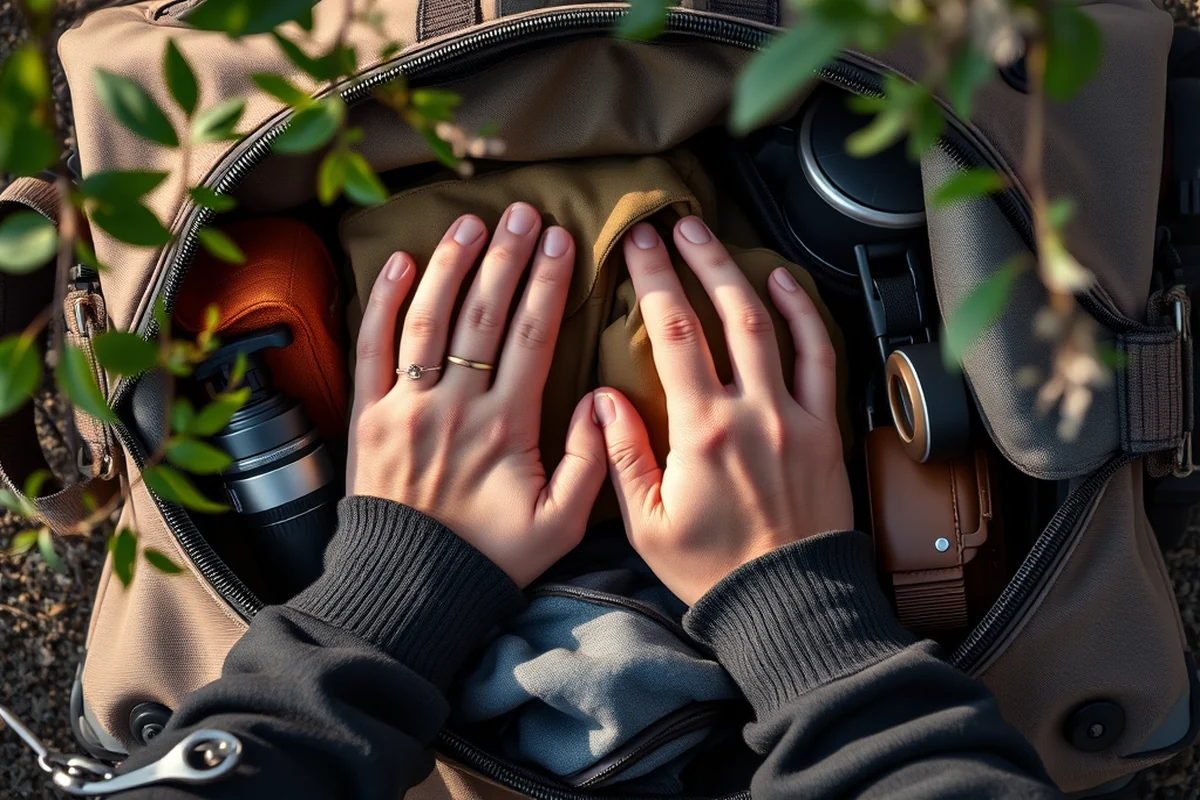
The park has over 100 miles of trails, ranging from easy strolls to multi-day backcountry hikes. I’ve done several of them, and each one has offered a different kind of experience. Whether it’s a short walk through the forest or a long trek up Wheeler Peak, there’s something for every hiker.
One of my favorite trails is the Wheeler Peak Trail, which leads to the highest point in the park. The view from the top is breathtaking, and I’ve always found that the effort is worth it. I remember standing there, breathing in the crisp air and watching the clouds roll in from the distance.
The trails are well-marked, but I always suggest bringing a map and compass. I’ve had to rely on my own skills a few times, and it’s reassuring to know that I can navigate even if the trail markers are obscured by snow or rain.
Related: National park itinerary colorado alternatives
The Wildlife of Great Basin
The park is a haven for wildlife enthusiasts. I’ve seen mule deer grazing near the trails, and on more than one occasion, I’ve caught a glimpse of a bobcat slipping through the underbrush. The park is also home to a small population of bears, which I’ve always found fascinating.
One of the most memorable encounters I had was with a curious fox that approached me while I was hiking. It was a moment I’ll never forget — the fox stood on its hind legs, looking directly at me, and then ran off into the trees. It was like a message from the wild.
The park has a strict policy of not feeding the animals, which is good for both the visitors and the wildlife. I’ve always found that respecting the animals and their habitat is the best way to enjoy the park.
Related: National park itineraries ideas comparison
The Best Time to Visit Great Basin
I’ve visited the park in every season, and I can tell you that spring and fall are by far the best times to go. The temperatures are milder, and the crowds are smaller. I’ve always found that the spring season is particularly beautiful, with wildflowers blooming across the landscape.
In the summer, the park can get quite hot, and the trails can be more challenging. I’ve also found that the fall is a great time to see the changing leaves and the migration of birds. The colors are absolutely stunning, and the air is crisp and fresh.
The winter months can be a bit harsh, with heavy snowfall and temperatures that drop below freezing. I’ve visited in January, and while it was a magical experience, I found it a bit too cold for my liking. The park is still open, but it’s best suited for those who are prepared for the cold.
Spring and fall are the seasons when the Great Basin truly comes alive.
Related: Natural acadia national park itineraries
The History of Great Basin National Park
The area that is now Great Basin National Park has been home to indigenous peoples for thousands of years. The Shoshone and Paiute tribes have a deep connection to the land, and their stories are still told today. I’ve always found that learning about the history of the park adds a new layer of meaning to the visit.
The park was established in 1986, but the area has been protected in various forms for many years. The first protected area was the Lehman Caves, which was set aside in the early 20th century. I’ve found that the history of the park is just as fascinating as the natural wonders. (1885, nps.gov)[2]
There are several interpretive signs and ranger-led programs that offer insight into the history of the park. I’ve always found that these programs are a great way to learn more about the land and its people, and they make the visit even more meaningful.
🎒 Budget Adventure
Explore Great Basin on a budget with free entry and self-guided hikes.
🗓 Long Weekend Getaway
A 4-day trip that includes stargazing, hiking, and visiting Lehman Caves.
👨👩👧👦 With Kids
A family-friendly trip with kid-friendly trails and educational programs.
❄ Off-Season Adventure
Experience the park in the winter with snowshoeing and unique winter wildlife viewing.
🛏 Luxury Stay
Stay in a rustic cabin or lodge and enjoy all the park has to offer in comfort.
| The mistake | Why it happens | The fix |
|---|---|---|
| Assuming that the park is open year-round without checking the schedule. | While the park is open year-round, certain facilities and trails may be closed or restricted during the winter months due to weather conditions. | Check the park’s website or contact the visitor center before planning your trip to ensure that the facilities and trails you want to visit are open. |
| Not bringing enough layers for the weather. | Temperatures in Great Basin can fluctuate significantly, and the weather can change quickly, especially in the higher elevations. | Pack layers, including a waterproof jacket and warm clothing, even if you’re visiting in the spring or fall. |
| Trying to hike without a map or compass. | Some trails can be confusing, especially in the backcountry, and it’s easy to get lost if you’re not prepared. | Always carry a map, compass, and extra supplies. Consider taking a guided tour if you’re unfamiliar with the area. |
| Not following the rules about feeding wildlife. | Feeding the animals can cause them to become aggressive or dependent on humans for food, which is harmful to both the animals and the visitors. | Respect the wildlife by not feeding them and keeping a safe distance. Follow all park rules and guidelines. |
| Ignoring the park’s rules about photography. | There are specific areas in the park where photography is restricted, such as within the caves or near the wildlife. | Be aware of the park’s photography rules and follow them to avoid disturbing the natural environment or violating any regulations. |
Great Basin National Park
Common Questions
Is there a cost to enter Great Basin National Park?
Are there accommodations inside the park?
Can I bring my dog to Great Basin National Park?
What is the best time to see the stars in Great Basin?
References
Cite this guide
Parkroutes (2026). Great Basin National Park. https://parkroutes.com/great-basin-national-park/
Feel free to cite or share this guide.