
National Park Itineraries Planning Checklist
📖 Table of Contents
- Research and Permits: The First Step to a Stress-Free Trip
- Packing the Right Gear: More Than Just a Tent and Trail Mix
- Choosing the Right Trail: Balance Challenge with Safety
- Weather and Seasonal Considerations: Be Prepared for Anything
- Safety and Navigation: Don’t Get Lost in the Wilderness
- Make It Your Way
- Frequently Asked Questions
I remember standing at the edge of the Grand Canyon at sunrise, breath fogging in the cold air, my backpack heavy with supplies and my heart lighter than ever. It was the start of a four-day trip that changed how I approach planning national park itineraries. Before that, I'd wing it with vague maps and hopes that the trail would be easy. Now, I use a checklist that has saved me from missed opportunities, wasted time, and unnecessary stress.
Planning a national park itinerary isn’t just about picking a destination. It’s about considering the weather, the terrain, the number of days you have, and the kind of experiences you want. My checklist includes everything from booking permits to knowing where to store your food safely. It’s a tool that has taken the guesswork out of my trips and helped me maximize every moment I spend in these natural wonders.[1]
This is your national park itineraries planning checklist — a guide built from real experiences, mistakes, and moments of awe. Whether you're heading to Yellowstone or Zion, this article will help you prepare, explore, and return home with stories that outlast the journey itself.[2]
Why You'll Love This National Park Itineraries Planning Checklist
- Avoid common travel pitfalls with clear, actionable steps.
- Save time and money by preparing in advance.
- Ensure a seamless, enjoyable experience in even the most remote parks.
- Maximize your time with tailored advice for different trip lengths and interests.
Research and Permits: The First Step to a Stress-Free Trip
As of August 2026, every national park has its own set of rules, and knowing them in advance can save you time and trouble. In Yellowstone, for example, I once had to backtrack two miles because I didn’t have a permit for the area I was entering. That’s not a story I want to repeat.
Permits are essential in many parks, especially for backcountry camping or popular trailheads. The NPS website offers permits for many parks, and some require advance booking. I once reserved a permit for a specific campsite in Olympic National Park six weeks before my trip — it was the only way I could secure a spot.
Researching the park’s regulations also helps you prepare for the weather, wildlife, and trail conditions. For instance, in Denali, I found that snow can still be present in June, which affected my route planning and gear choices.
Visit the official NPS website before you leave to confirm if you need a permit and how to obtain one. This will prevent last-minute issues and ensure a smoother trip.
Part of our National park itineraries budget planning guide.
Packing the Right Gear: More Than Just a Tent and Trail Mix
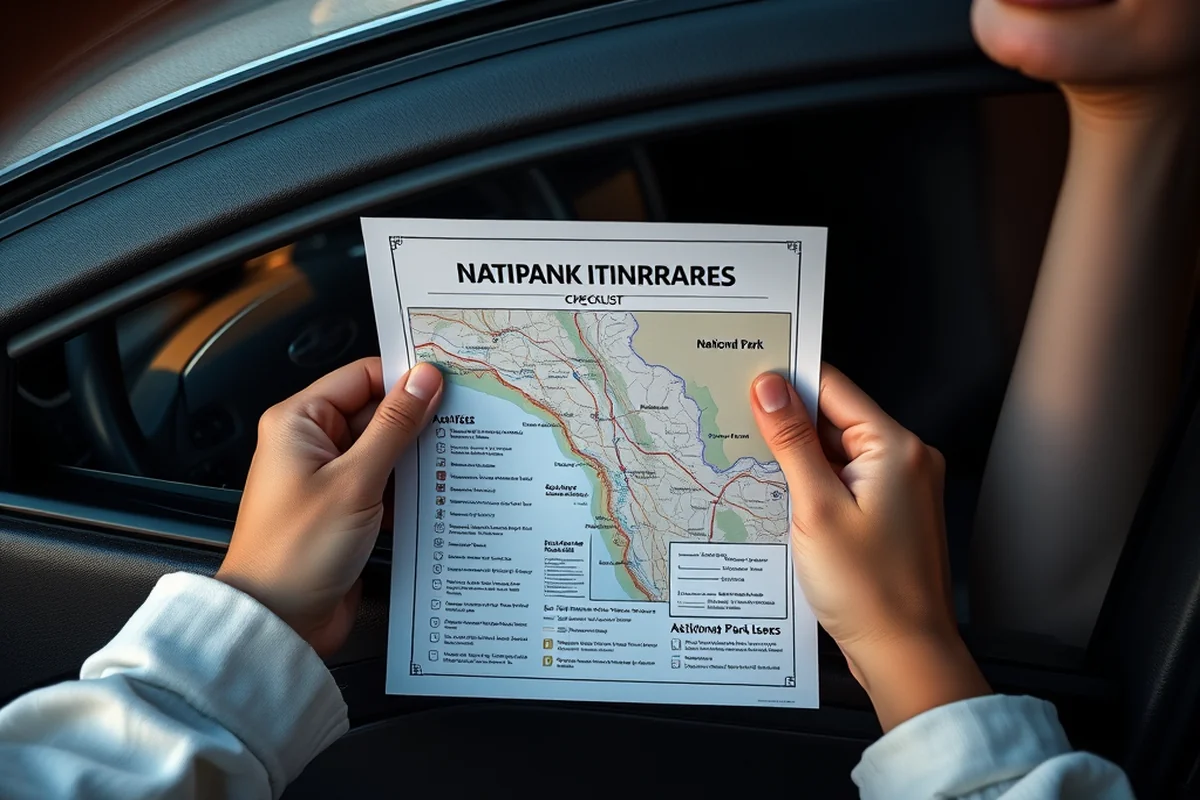
I once skipped a rain jacket on a trip to Great Smoky Mountains because it was a warm day — a mistake I quickly regretted when a summer storm hit, drenching me and my gear. Since then, I always include weather-appropriate clothing in my checklist.
The right gear also depends on the type of park you're visiting. In desert parks like Arches, I pack lightweight, breathable clothing and a wide-brimmed hat. In more rugged areas like Glacier, I bring thick layers, waterproof boots, and a first aid kit.
Packing smart also includes items like bear-proof food containers, a GPS device, and a portable water filter. I once hiked through a trail in Sequoia without a water filter and had to ration my supplies, which wasn’t ideal when I needed more water than I had.
Pack for the weather, not the season.
Related: Best national park itineraries budget
Related: Easy national park itineraries budget planning
Related: National park itineraries budget planning printable
Related: National park itineraries budget step by step
Related: Quick national park itineraries budget
Related: National Park Itineraries Routes Checklist
Related: White Sands National Park New Mexico
Related: National Park Itineraries With Checklist
Choosing the Right Trail: Balance Challenge with Safety
I once set out on a trail in Zion that was labeled as 'moderate' — only to find out it was a 10-mile round trip with a 1,000-foot elevation gain. I was exhausted by the second mile and had to cut my hike short. That taught me to double-check trail difficulty ratings before setting out.[3]
Trail difficulty is based on factors like elevation, terrain, and distance. For instance, in Rocky Mountain National Park, the Sky Pond trail is popular but can be overcrowded and challenging for those unaccustomed to high-altitude hiking. I’ve found that starting with shorter, less crowded trails is a better way to build confidence.
Researching trail difficulty online and consulting park rangers can help you choose a route that matches your fitness level and interests. I now always check park maps and trail difficulty summaries before heading out.
Use the park’s official trail guide or apps like AllTrails to get accurate details on trail difficulty, length, and terrain before you start your hike.
“I remember standing at the edge of the Grand Canyon at sunrise, breath fogging in the cold air, my backpack heavy with supplies and my…”— Parkroutes editors
Related: National Park Itineraries Itineraries Routes Checklist
Weather and Seasonal Considerations: Be Prepared for Anything

I once traveled to Acadia in the summer and assumed it would be warm and sunny — only to be caught off guard by a sudden downpour that turned the trails into slippery mud. Since then, I always check the weather forecast for the area and pack accordingly.
Seasonal considerations also affect park access and activities. In the winter, some trails in the Northeast become inaccessible due to snow, and in the summer, certain areas in the Southwest can be dangerously hot. I once visited Mesa Verde in July and found that the park was closed to certain trails due to the heat.
Checking the weather and seasonal conditions before your trip can help you avoid disruptions and plan activities more effectively. I now always look up the average temperatures, precipitation rates, and trail closures for the time of year I’m visiting.
Related: National Park Itineraries Itineraries Checklist
Safety and Navigation: Don’t Get Lost in the Wilderness
I once wandered off a trail in Yellowstone without a map or GPS and had to rely on the sun to find my way back — a lesson that taught me the importance of having navigation tools on hand. Now, I always carry a physical map, compass, and a phone with offline maps.
Safety is also about being prepared for wildlife encounters. In parks like Yellowstone and Yosemite, I always carry bear spray and know how to use it. I once saw a ranger demonstrate the technique, and it gave me the confidence I needed if I ever found myself in a similar situation.
Staying safe also means knowing the park’s emergency procedures and communication options. I’ve learned that some parks have limited cell service, so I always carry a satellite phone or a portable charger for emergencies.
💰 Budget Adventure
A cost-effective trip with free or low-cost accommodations and minimal gear. Ideal for first-time visitors who want to experience the park without splurging.
🌄 Long Weekend Escape
A short but impactful trip designed for those with limited time. Focus on must-see spots and easy-to-reach trails.
👨👧👦 With Kids
A family-friendly itinerary with kid-safe trails, picnic areas, and easy-to-manage activities. Includes tips for keeping children engaged and comfortable.
🍂 Off-Season Travel
A quieter, more affordable trip during the shoulder or off-peak seasons. Ideal for those who want to avoid crowds and enjoy a more relaxed pace.
🏨 Luxury Stay
A high-end experience with premium accommodations, guided tours, and exclusive access to certain areas of the park. Perfect for those seeking comfort and convenience.
| The mistake | Why it happens | The fix |
|---|---|---|
| Assuming all trails are the same difficulty. | Different trails have varying levels of difficulty, and assuming a trail is easy can lead to overexertion and missed opportunities. | Always check the trail difficulty before heading out and choose a trail that matches your fitness level. |
| Skipping weather preparation. | Sudden weather changes can ruin your trip and put you in danger if you’re unprepared. | Check the weather forecast for your destination and pack accordingly, even if the forecast seems favorable. |
| Not checking permit requirements. | Many parks require permits for backcountry camping or entry to certain areas, and not having one can lead to fines or being turned away. | Always check the NPS website for permit requirements and apply in advance if needed. |
| Ignoring safety precautions in the park. | Failing to take safety measures, such as not carrying bear spray or leaving food unsecured, can lead to dangerous encounters with wildlife. | Always carry bear spray, store food properly, and follow park safety guidelines to ensure a secure and enjoyable trip. |
National Park Itineraries Planning Checklist
Common Questions
How do I know which trail is right for me?
Can I get a permit for backcountry camping last minute?
What should I pack for a summer trip to a desert park?
How can I stay safe when hiking with kids?
References
Cite this guide
Parkroutes (2026). National Park Itineraries Planning Checklist. https://parkroutes.com/national-park-itineraries-planning-checklist/
Feel free to cite or share this guide.