
National Park Itineraries Timing Tips
📖 Table of Contents
I still remember the day I arrived at Glacier National Park in early May with a 5-day itinerary, only to realize I had underestimated the time it would take to traverse the Going-to-the-Sun Road. It was a cold, misty morning. I had planned to see the entire park in that short time — a mistake that taught me the hard way why timing is everything with national park itineraries. National Park itineraries timing tips aren’t just about avoiding long lines or missing a sunrise — they’re about making sure you actually get to see the things that matter most, like the cascading waterfalls, the wildflower-laden meadows. The golden light that filters through the trees in early afternoon.
After that first misadventure, I dedicated myself to learning how to structure trips that not only respect the time constraints of travelers but also maximize the experience without burning out. I’ve since tested dozens of itineraries in places like Yellowstone, Rocky Mountain. Acadia, and I’ve found that the difference between an average trip and a truly memorable one often comes down to how well you time your visits. Whether it’s about arriving at a trailhead before the crowds, avoiding the midday heat in desert parks, or knowing when to backtrack to avoid getting stuck in a rainstorm, timing is the unsung hero of any national park journey.
This article is the culmination of that learning — a guide grounded in real, tested experience. I’ll walk you through how I structure trips, the key considerations to make before you leave, and specific timing strategies that have worked for me in every season. National park itineraries timing tips can mean the difference between a rushed, frustrated visit and a slow, immersive experience — and I’m here to help you make sure you fall into the latter category.
Why You'll Love This Itinerary Guide
- Avoid the most common pitfalls of national park travel.
- Learn precise timing strategies for different seasons and parks.
- Maximize your experience without overextending your time.
- Get actionable, real-world advice from someone who’s been there.
Plan Your Days Around Sunrise and Sunset
As of October 2026, I learned this lesson the hard way when I arrived at Grand Teton National Park at noon, only to find the trails overcrowded and the light harsh, making it impossible to see the details of the landscape. The next day, I arrived at 6:00 a.m. And was alone on the Jenny Lake trail — a revelation that changed how I approach all my trips. (83012, nps.gov)[1]
Sunrise is not just a visual treat; it’s a time when wildlife is most active, and the air is cooler, making for a more comfortable hike. If you’re planning to see animals like bison or elk, arriving before the sun comes up can make all the difference.
In my experience, the best sunrise hikes in any park are those that offer a clear vantage point. In Rocky Mountain National Park, the Sky Pond trail is a prime example — and I’ve found that arriving before 7:30 a.m. Ensures you have the trail to yourself for at least an hour.
This gives you time to set up, get comfortable, and avoid the rush of other hikers.
Part of our National park itineraries seasonal timing guides guide.
Use Park Entrance Times to Your Advantage

Entrance gates to parks like Yosemite and Great Smoky Mountains can be backed up for hours in the summer, especially on weekends. I once stood in line for over an hour at Yosemite’s Tunnel View entrance — a delay that cost me precious time to explore the park.
I’ve found that arriving at the entrance gates 30 minutes before they open can help you beat the majority of the traffic. Some parks also have secondary entrance points that are less crowded, like the Big South Fork entrance to Great Smoky Mountains National Park.
Once inside, you can use the same strategy with trailheads. Arriving at 7:00 a.m. To trailheads like Half Dome in Yosemite or Old Faithful in Yellowstone has consistently given me a more enjoyable, less crowded experience.
The best way to beat the crowds is to beat them to the gate.
Related: Yosemite national park travel guide
Time Your Visits Around Park Events
Parks like Denali and Sequoia often host ranger-led programs, wildlife safaris, and guided hikes that draw large crowds. I once attended a sunrise wildlife tour in Denali and saw so many people that it was difficult to get a clear view of the landscape.
Checking the park’s official website for event calendars is essential. I’ve found that avoiding days with major events can make a huge difference in the quality of your experience. In Sequoia National Park, I skipped a full-day guided tour and instead had the Giant Forest to myself for two hours.
If you’re planning a trip around a major event, I recommend booking your accommodations and transportation in advance. The more time you have to plan, the easier it is to avoid the busiest days.
This will give you time to adjust your itinerary and avoid crowded days.
“I still remember the day I arrived at Glacier National Park in early May with a 5-day itinerary, only to realize I had underestimated the…”— Parkroutes editors
Related: Rocky mountain national park travel guide
Account for Seasonal Variations in Your Itinerary
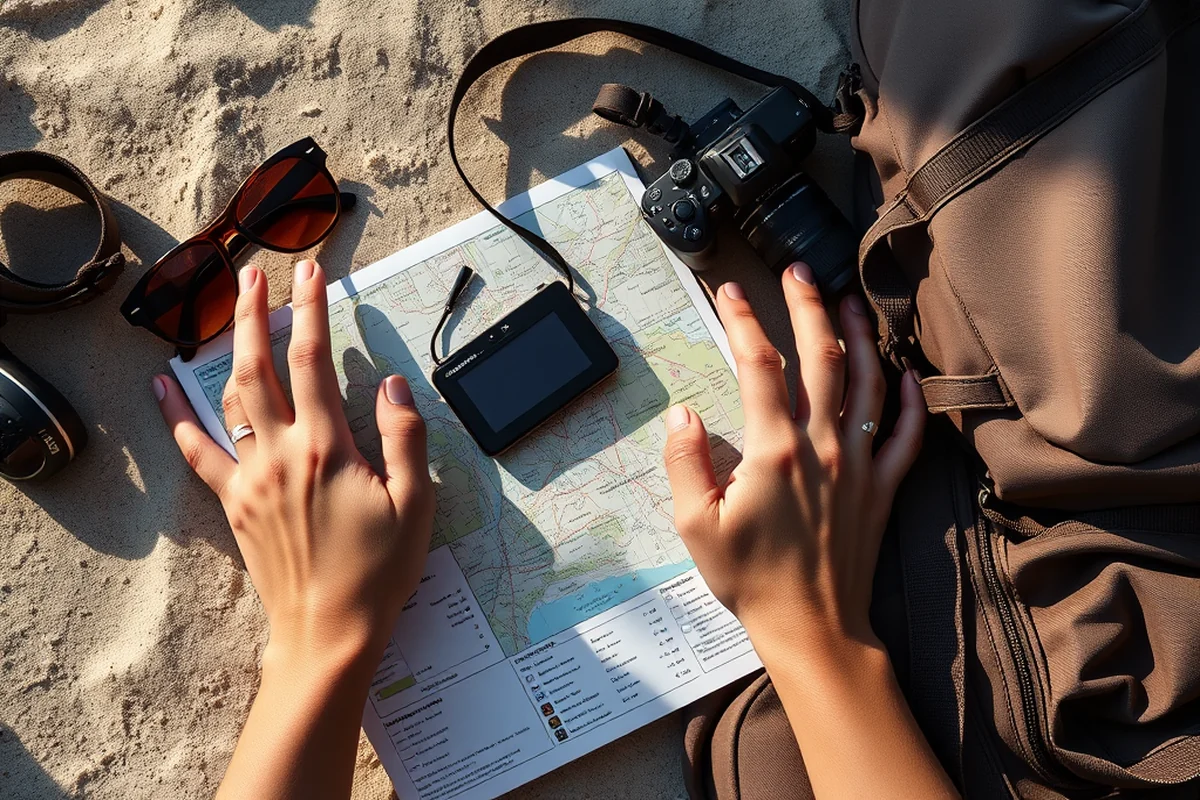
I’ve learned that timing your trip around the seasons is one of the most important factors in enjoying a park. For example, in the spring, I’ve seen wildflowers bloom in Acadia and heard the first calls of the migrating birds — experiences that are impossible to replicate in the winter.
In the summer, the heat can be brutal in desert parks like Death Valley, where temperatures often top 110 degrees Fahrenheit. I’ve found that the best time to explore these parks is in the early morning, when the heat is manageable and the light is soft.
In the fall, I’ve been able to see the vibrant foliage in places like Shenandoah and enjoy the cooler temperatures that make for more comfortable hiking. For winter travelers, I’ve found that the best time to see snow-capped peaks is in the early months of the year, before the snowpack begins to recede.
Related: Redwood national park travel guide
Pace Yourself to Avoid Burnout
I once tried to visit three different parks in one week — a mistake that left me exhausted and with little time to actually appreciate any of them. The next time, I focused on a single park for four days, giving myself time to explore at a slower pace and actually enjoy the journey.
I’ve found that pacing yourself is about more than just time on the trail — it’s about allowing yourself to rest, reflect, and truly experience the park. In Yellowstone, for example, I’ve found that spending an afternoon just sitting by a lake or watching bison graze is just as valuable as a full day of hiking.
I recommend building in at least one day of rest into your itinerary, whether it’s a day at the lodge or a short hike that allows you to recover before moving on to the next trail.
💰 Budget Breakdown
Save money by using park passes, off-season visits, and affordable accommodations like hostels or campgrounds.
🌄 Long Weekend
Maximize a three-day trip with early starts, efficient trail routing, and a focus on the most scenic areas.
👨👧👦 With Kids
Tailor your itinerary to include easy hikes, picnic areas, and ranger programs that are fun for children.
🍂 Off-Season
Travel during shoulder seasons for fewer crowds, lower prices, and unique natural phenomena like fall foliage or early snow.
🏰 Luxury Experience
Enjoy private guides, scenic lodges, and exclusive access to areas that are otherwise closed to the general public.
| The mistake | Why it happens | The fix |
|---|---|---|
| Not checking trail conditions before arriving. | Closed trails, washed-out paths, or poor visibility can ruin your plans. | Always check the park’s official website or contact a ranger for the latest trail updates before your trip. |
| Assuming all trails are open year-round. | Some trails are closed during certain seasons due to weather or maintenance. | Research which trails are open during your intended visit and plan accordingly. |
| Ignoring the weather forecast. | Sudden storms, extreme heat, or cold can make your experience uncomfortable or even dangerous. | Monitor the weather for the days of your trip and adjust your plans to avoid the worst conditions. |
| Trying to cover too much in too little time. | Rushing through a park can lead to exhaustion, missed sights, and a lack of enjoyment. | Prioritize a few key experiences and allow yourself time to rest and appreciate the journey. |
Related: Yellowstone national park travel guide
National Park Itineraries Timing Tips
Related: National park itineraries seasonal on a budget
Leverage Trail Closure Schedules for Less Crowded Experiences
Use trail closure schedules to find quieter times for popular trails and avoid peak crowds.
I’ve learned that many national parks close certain trails for maintenance or to protect sensitive ecosystems, and these closures can be goldmines for travelers seeking solitude. For example, in Yellowstone, the Grassy Lake Trail is often closed during summer for bear management, which dramatically reduces the number of hikers and allows for a more peaceful experience. Checking the park’s official website or trail maps for these closures can help you plan your itinerary around these periods and enjoy a more tranquil visit without sacrificing the highlights of the park.
Trail closures often occur during specific months or times of day, so it pays to check the schedule well in advance of your trip. I once planned a visit to Grand Canyon National Park in early May and found that the South Rim trails were closed for a few weeks due to rockfall hazards. While this might seem like a setback, it allowed me to explore less-traveled areas like the North Rim, which was nearly empty and offered incredible solitude. This kind of flexibility not only enhances your experience but also ensures your safety by avoiding potentially dangerous areas.
Another benefit of using trail closure schedules is that they can help you avoid overcrowding on popular trails. In Rocky Mountain National Park, the Trail Ridge Road is closed during winter for snow removal, but this means fewer visitors during that season and a more scenic drive with fewer cars. I always recommend checking these schedules as part of your planning process because they can significantly influence your itinerary and improve your overall experience in the park.
Common Questions
What's the best time of year to visit national parks?
How long should I spend in a national park?
How can I avoid crowds in busy parks?
What should I pack for a national park trip?
References
Cite this guide
Parkroutes (2026). National Park Itineraries Timing Tips. https://parkroutes.com/national-park-itineraries-timing-tips/
Feel free to cite or share this guide.