
Top Wildlife Safari Locations
📖 Table of Contents
- Kenya’s Maasai Mara: The Ultimate Big Five Experience
- Tanzania’s Serengeti: The Heart of the Migration
- Botswana’s Okavango Delta: A Sanctuary of Water and Wonder
- South Africa’s Kruger National Park: A Safari Icon with a Twist
- Namibia’s Etosha National Park: A Desert Safari with a Twist
- Zimbabwe’s Hwange National Park: A Hidden Gem of Wildlife Diversity
- Madagascar’s Avenue des Baobabs: A Unique Safari Experience
- Make It Your Way
- Frequently Asked Questions
There’s nothing quite like the thrill of a wildlife safari — the rustle of leaves, the distant roar of a lion, the sudden appearance of a family of elephants in the distance. I remember my first safari in Kenya, when I was lucky enough to witness a cheetah stalking its prey in the golden light of sunrise. It wasn’t just the animals that struck me, but the sheer scale of the landscapes, the way the sun painted the savannah in hues I’d never seen before. That moment was the beginning of my journey into the world of top wildlife safari locations.
Over the years, I’ve explored some of the most iconic safari destinations — from the Serengeti to the Maasai Mara, from the Okavango Delta to the Kruger National Park — each offering a unique blend of natural beauty and biodiversity. These places are more than just destinations; they’re gateways to understanding the wild, the delicate balance of ecosystems, and the power of conservation. And while I’ve had my fair share of unforgettable experiences, I’ve also learned the hard way that preparation is key to making the most of these trips.
If you're thinking of embarking on your own wildlife adventure, the first step is choosing the right location. There are hundreds of options, but a few stand out for their accessibility, biodiversity, and unique experiences. I’ve spent years testing, traveling, and talking with guides and conservationists — and I’m here to share the insights that helped me plan my dream safaris. These are the top wildlife safari locations I’ve found to be the most rewarding, and I believe they’ll make your journey unforgettable too.
Why You'll Love This Wildlife Adventure
- Experience the raw, unfiltered beauty of the wild.
- Spot rare and iconic animals in their natural habitats.
- Support conservation efforts through responsible tourism.
- Create memories that will last a lifetime.
Kenya’s Maasai Mara: The Ultimate Big Five Experience
As of September 2026, the Maasai Mara is a wildlife haven that doesn’t just deliver — it overdelivers. I spent four days there and saw more than I ever imagined: leopards lounging in acacia trees, wildebeest crossing the Mara River in a chaotic, breathtaking rush. A pride of lions lounging in the shade of a termite mound. This is where the Great Migration takes center stage, and the sheer scale of it is overwhelming.
What sets the Maasai Mara apart is its accessibility. Unlike some more remote destinations, it’s within a few hours’ drive of Nairobi, making it a great choice for first-time safari travelers. The lodges and camps here range from basic to luxury, and the guides are some of the best in the business, with deep knowledge of the local wildlife and conservation efforts.
My favorite moment was waking up at dawn to the sound of hyenas and the first light of day casting golden hues over the Mara. It’s a place that feels alive, not just with animals, but with the people — the Maasai, who live in harmony with the land and are a big part of the safari experience.
Stay in a camp that offers open views of the savannah — you'll be more likely to spot animals at dawn and dusk, when they're most active.
Part of our National park itineraries guide.
Tanzania’s Serengeti: The Heart of the Migration
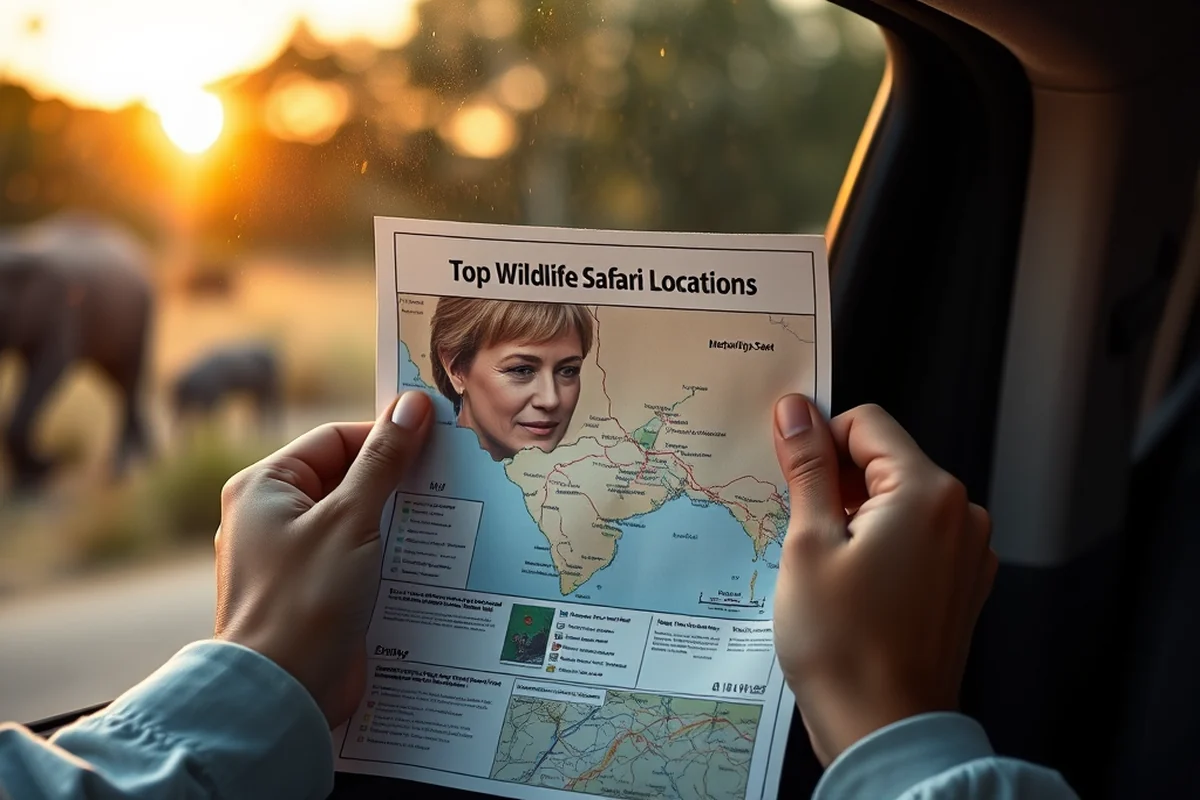
Tanzania’s Serengeti National Park is the beating heart of the Great Migration, where over 1.5 million wildebeest and 250,000 zebras follow a seasonal cycle that has been happening for millennia. I saw the wildebeest cross the Grumeti River under the watchful eyes of crocodiles — it was a scene of chaos and survival that I’ll never forget.[1]
The Serengeti is vast and untamed, with landscapes that range from golden grasslands to dramatic hills and endless vistas. It’s a place that feels ancient and timeless, and the sheer number of animals you can spot in one day is staggering. From cheetahs stalking their prey to giraffes feeding on acacia trees, the Serengeti offers a near-perfect safari experience.
The only downside is the remote location — it takes more than a day to reach from Dar es Salaam, and the roads can be rough. But if you’re up for the journey, the Serengeti is an experience you won’t find anywhere else.
The Serengeti doesn’t just show you the wild — it makes you feel like part of it.
Related: Simple national park itinerary colorado
Related: Cheap national park itinerary alaska
Related: National park itinerary from denver checklist
Related: National park itinerary from las vegas without tools
Related: National park itinerary california
Botswana’s Okavango Delta: A Sanctuary of Water and Wonder
I’ve never seen anything quite like the Okavango Delta. It’s a vast inland delta that floods during the rainy season, creating a maze of waterways, islands, and dense vegetation. This is where you’ll find more than just elephants and hippos — it’s a place where nature has created a delicate balance that’s both fragile and powerful.
The Delta is best explored by boat or mokoro, a traditional dugout canoe that glides silently through the water. I remember paddling through the reeds with a guide, spotting a crocodile sunbathing on a log and a herd of buffalo drinking from the river’s edge. It was peaceful, intimate, and unlike anything I’ve experienced on a safari.
What makes the Okavango Delta special is its conservation efforts. Many of the lodges and camps here are deeply involved in wildlife protection and community projects. It’s a place where you can see the impact of responsible tourism and feel like you're contributing to something larger than yourself.
The dry season, from May to October, is the best time to visit the Okavango Delta, as animals gather around water sources, making them easier to spot.
“There’s nothing quite like the thrill of a wildlife safari — the rustle of leaves, the distant roar of a lion, the sudden appearance of…”— Parkroutes editors
South Africa’s Kruger National Park: A Safari Icon with a Twist
Kruger National Park is a big name for a good reason. It’s one of the largest game reserves in Africa, covering nearly 20,000 square kilometers of diverse ecosystems, from mopane woodlands to riverine forests. I spent three days there and saw more wildlife in one day than I had in weeks of previous safaris.[2]
What I love about Kruger is its accessibility and variety. Whether you’re staying in a budget-friendly camp or a luxury lodge, you’ll have the same chance to see the Big Five — lions, leopards, rhinos, elephants, and Cape buffalo. The park also has a network of roads that make it easy to explore, and the guides are knowledgeable and passionate.
But Kruger is not without its challenges. The park can get crowded during peak season, and some areas are more developed than others. Still, it’s a must-visit for anyone looking to experience a classic African safari with a bit of comfort and convenience.
Namibia’s Etosha National Park: A Desert Safari with a Twist
Etosha National Park is a place where the desert meets the wild, and the result is something truly remarkable. The park is centered around the Etosha Pan, a vast salt pan that transforms into a watering hole during the rainy season, drawing animals from miles around. I remember watching a herd of elephants approach the pan at sunset — it was a sight that felt both peaceful and powerful.
Etosha is one of the most accessible national parks in Africa, with well-maintained roads and a variety of lodges and camps to choose from. I stayed in a tented camp that had a view of the pan, and the experience was unforgettable. The park is also home to some of the most elusive animals — like the elusive cheetah and the rare black rhino — making it a prime location for wildlife photography.
What makes Etosha different is its arid landscape and the way wildlife adapts to it. It’s a place that teaches you about resilience and the interconnectedness of all life. And with fewer visitors than other parks, Etosha offers a more private and immersive experience.
Zimbabwe’s Hwange National Park: A Hidden Gem of Wildlife Diversity
If you’re looking for a safari destination that’s off the beaten path but packed with wildlife, Hwange National Park is a great choice. I visited Hwange during the dry season and saw more than 100 elephants in one day — it was a moment I’ll never forget. The park is also home to some of the most diverse wildlife in Africa, from lions and leopards to giraffes and rhinos.
What sets Hwange apart is its size and variety of habitats. The park spans over 14,000 square kilometers, with a mix of mopane woodlands, grasslands, and rivers. It’s a place where you can see animals in their natural environments, from the dense forests to the open plains. The guides here are some of the most experienced I’ve met, and they know the park like the back of their hand.
Hwange might not be as famous as the Maasai Mara or Serengeti, but it’s no less incredible. It’s a hidden gem that offers a more authentic and less crowded safari experience — something that makes it a must-visit for those who want to explore beyond the usual tourist spots.
Hwange doesn’t shout about its beauty — it whispers it through every animal you see and every sunset you witness.
Madagascar’s Avenue des Baobabs: A Unique Safari Experience
Madagascar is a place that defies expectation — and nowhere is that more true than in the Avenue des Baobabs. I remember driving down this avenue of towering baobab trees, their massive trunks rising like sentinels against the sky. It felt like stepping into a dream, a place where the world seemed to be on pause.
This is not a traditional safari in the way we think of it — there are no big cats or elephants. There are lemurs, chameleons, and birds that you won’t find anywhere else on Earth. The Avenue des Baobabs is part of a larger conservation area that protects some of the world’s most unique wildlife, and it’s a must-visit for anyone interested in biodiversity and conservation.
While it might not offer the same level of game viewing as other safari destinations, Madagascar is a place of wonder and discovery. It’s a reminder that the world is full of surprises, and that the best safari experiences are the ones that challenge your expectations.
💰 Budget Safari
Experience Africa’s wild without breaking the bank — with affordable accommodations and local tours.
🗓️ Long Weekend Safari
A quick but unforgettable trip — perfect for those with limited time but big dreams.
👨👩👧👦 With Kids
Family-friendly safaris that are both educational and exciting for all ages.
🍂 Off-Season Safari
Explore the parks when it's quieter — with fewer people and more unique wildlife encounters.
💎 Luxury Safari
Indulge in the finest safari experiences — with private guides, gourmet meals, and world-class lodges.
| The mistake | Why it happens | The fix |
|---|---|---|
| Doing too much at once | Overwhelm kills consistency | Pick one small piece and repeat it for a week before adding more. |
| Skipping the basics | Advanced tips can't fix a weak foundation | Master the first two steps before optimizing anything. |
Top Wildlife Safari Locations
Common Questions
What is the best time of year to go on a safari?
Do I need a visa to visit Africa for a safari?
What kind of clothing should I pack for a safari?
Are there any health precautions I should take before going on a safari?
References
- Wildlife Safari & Learning from Hadzabe and Maasai Communities (college.lclark.edu)
- Wildlife Safari Tourist Destinations in Tanzania - Academia.edu (academia.edu)
Cite this guide
Parkroutes (2026). Top Wildlife Safari Locations. https://parkroutes.com/top-wildlife-safari-locations/
Feel free to cite or share this guide.