
National Park Itineraries With Kids Family Tips

📖 Table of Contents
The first time my family hiked to the top of Mount Rushmore, I was surprised by how easy it was to keep my two young kids engaged. We walked slowly, stopping to point out the presidents' faces, and the kids asked questions that made the whole experience feel new to me. It was then I realized that national parks aren’t just about grand landscapes — they’re about creating memories with your kids. Finding the right national park itineraries with kids family tips can make all the difference.[1]
I’ve been to more than a dozen national parks with my children, and each trip taught me something different. Some parks were better for day hikes, others for camping, and still others were perfect for wildlife watching. The key was always to find a balance between adventure and comfort, so that my kids didn’t feel overwhelmed but still had enough to keep them interested. That’s where the best national park itineraries with kids family tips come into play — they’re not just about where you go, but how you go there.
Whether you’re planning a short trip or a multi-week adventure, having a solid plan is essential. I’ve learned that the best experiences aren’t the ones that are most expensive or most luxurious — they’re the ones where we’re laughing on the trail, learning about geology. Falling asleep under the stars. With the right national park itineraries with kids family tips, you can create a trip that your whole family will remember for years to come.
Why You'll Love This Itinerary Planner for Families
- Flexible, customizable plans that fit your family’s pace and interests.
- Tips that are tested by real parents who’ve been there with kids.
- Insights on how to keep kids engaged without over-scheduling.
- A mix of adventure and comfort for a truly balanced trip.
Choosing the Right National Park for Your Family
As of November 2026, when planning national park itineraries with kids family tips, it’s crucial to consider your family’s dynamics. For example, younger children might enjoy shorter hikes and more time for water activities, while older kids may prefer more challenging terrain or wildlife watching.
I’ve found that parks like Yellowstone or Grand Canyon offer a mix of easily accessible trails and more adventurous options. Yellowstone, for instance, has boardwalks that are perfect for little ones, and the Grand Canyon offers viewpoints that are less strenuous than the full hike.
A good rule of thumb is to pick a park where your kids can be active for at least two hours a day without feeling overwhelmed. If you’re traveling with a toddler, a park like Everglades, with airboat tours and easy boardwalks, might be more suitable than a rugged, high-elevation park.
Before choosing a park, have a family meeting to discuss how much hiking, how much time in the car, and what kind of activities everyone is excited about.
Part of our National park itineraries with kids family guide.
Packing Smart for a Family Adventure
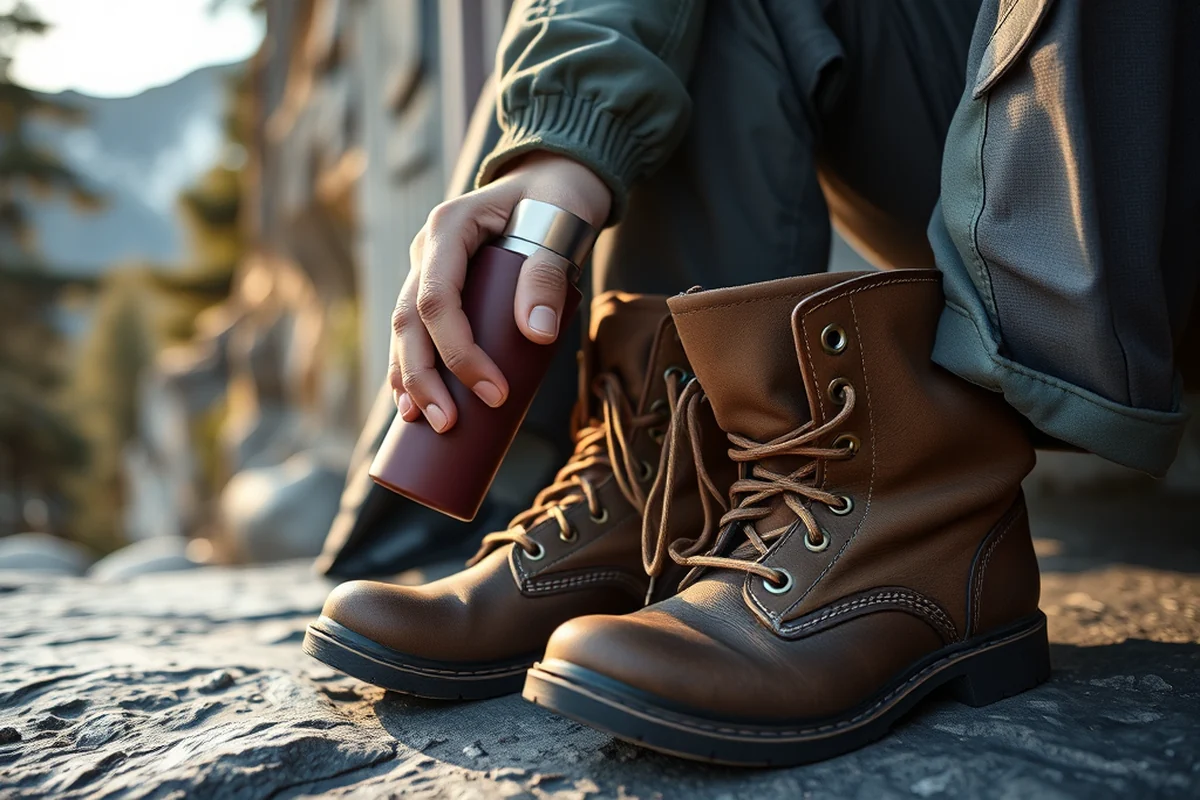
I learned the hard way that underpacking is a major pitfall when traveling with kids. For a 4-day trip in the mountains, I now always carry a lightweight tent, a first-aid kit, and extra layers for unpredictable weather. Even in spring, temperatures can swing from warm to freezing in a matter of hours.
I always pack snacks that are easy for kids to eat on the go — things like trail mix, jerky, and freeze-dried fruit. Hydration is key, so I bring at least two water bottles per person, and I always carry a portable water filter.
One of the most important things I’ve learned is to pack a comfort item for each child — a favorite stuffed animal, a blanket, or a book that can be read during downtime. These small things can help kids feel more at ease in unfamiliar environments.
Pack like you’re going on a 24-hour hike — just in case.
Related: How to national park itineraries kids
Making the Most of Day Hikes with Kids
Day hikes are a great option for families who don’t want to commit to a full camping trip, but who still want to enjoy the outdoors. I’ve found that shorter hikes (2-3 miles) with minimal elevation gain work best for younger children. The key is to keep the pace slow and the experience fun.
I always plan for a stop halfway through the hike, where we can take a break, eat a snack, and maybe even do a quick photo session. Kids love that, and it gives them a sense of accomplishment when they reach the end of the trail.
I’ve also found that starting early in the day helps avoid the heat and crowds. I’ve had the best experiences hiking in the early morning when the temperatures are cooler and the trails are less crowded.
Starting your hikes before 9 AM can help avoid the heat, crowds, and fatigue that often come with the midday sun.
“The first time my family hiked to the top of Mount Rushmore, I was surprised by how easy it was to keep my two young…”— Parkroutes editors
Related: How to national park itineraries with kids family
Camping in National Parks with Kids
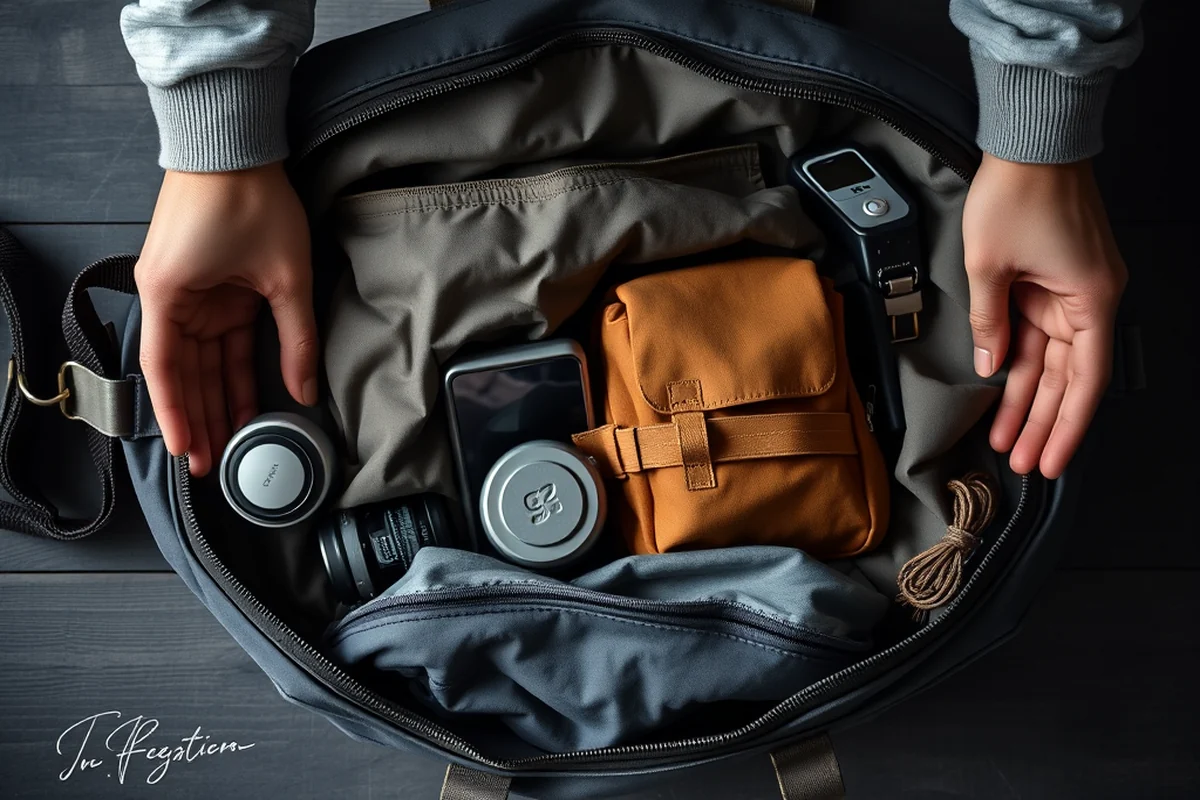
Camping in national parks is a fantastic way to immerse your family in nature, and I’ve found that even the youngest children can adapt well to the experience. I recommend starting with a basic camping setup — a tent, sleeping bags, and a portable stove.[2]
I’ve learned that the key to a successful camping trip is to involve the kids in the planning. Letting them help with simple tasks like setting up the tent or cooking a meal can make them feel like part of the adventure. It also helps them learn responsibility and life skills.
I always bring a small flashlight for each child, and I teach them how to use it. This helps them feel more independent and confident in the dark. I also bring a campfire book that we read together around the fire — it’s a great way to bond and share stories.
Related: National park itineraries with kids family ideas
Staying Safe and Comfortable on the Trail
Safety is a top priority when planning national park itineraries with kids family tips, and I’ve learned that a few small precautions can make a big difference. I always carry a fully charged phone, a whistle, and a map — even if I’m using a GPS app.
I also bring a first-aid kit that includes items like bandages, antiseptic wipes, and pain relievers. I’ve found that even minor scrapes can be annoying if not treated quickly. I also teach my kids how to use the whistle if they get lost or need help — they practice that at home before we go on any trip.
Another tip I’ve learned is to never hike alone with small children. I always bring a partner or two, and I encourage my kids to always stay within sight of an adult. This not only keeps them safe but also makes the experience more enjoyable for everyone.
💰 Budget-Friendly Trip
Travel with a small budget by focusing on free or low-cost activities like walking trails, picnics, and ranger-led programs.
🚗 Long Weekend Adventure
Pack for a short, intensive trip that includes day hikes, a single campsite, and a few must-see spots within a 48-hour window.[3]
👨👩👧👦 With Kids
Tailor your itinerary to include kid-friendly activities like easy hiking trails, wildlife watching, and interactive ranger programs.
🍂 Off-Season Adventure
Visit in the shoulder season for lower crowds, lower prices, and a unique experience in a quieter park environment.
🏰 Luxury Getaway
Stay in a comfortable lodge or cabin, enjoy guided tours, and take advantage of exclusive park amenities for a more relaxed experience.
| The mistake | Why it happens | The fix |
|---|---|---|
| Not planning for the weather | Weather can change quickly in national parks, and failing to prepare for rain, cold, or sun can lead to uncomfortable or unsafe conditions. | Always check the weather forecast before heading out, and pack layers, rain gear, and sun protection. |
| Overpacking the car | Overpacking can make the driving experience stressful and can limit your flexibility if you need to make unexpected stops or changes to your itinerary. | Only bring what you really need and be ready to leave extra items behind if necessary. |
| Ignoring park rules and regulations | Disregarding rules can lead to fines, safety issues, or even damage to the environment. Some rules, like not feeding wildlife, are critical for the health of both the park and the animals. | Review the park’s rules and regulations before your trip and make sure your family understands and follows them. |
| Not having a backup plan for activities | Unpredictable weather or trail closures can disrupt your plans. Not having a backup activity can lead to disappointment and wasted time. | Research and have a list of alternative activities in case your primary plans are disrupted, such as visiting a visitor center or taking a different trail. |
Related: National park itineraries with for beginners
National Park Itineraries With Kids Family Tips
Related: National park itineraries with mistakes to avoid
Common Questions
What is the best time of year to visit national parks with kids?
How can I keep my kids interested on long hikes?
What should I pack for a camping trip with kids?
How do I find kid-friendly trails in national parks?
References
- Southeast Montana FY26 DMO Plan - Application Summary (commerce.mt.gov)
- PARKS, RECREATION, & OPEN SPACE MASTER PLAN (drippingspringstx.gov)
- Hiking - Joshua Tree National Park (U.S. National Park Service) (nps.gov)
Cite this guide
Parkroutes (2026). National Park Itineraries With Kids Family Tips. https://parkroutes.com/national-park-itineraries-with-kids-family-tips/
Feel free to cite or share this guide.
National Park Family Itinerary Builder
Builds a day-by-day family itinerary for a national park with hike lengths sized to the youngest child.
Open it free →