
Death Valley National Park Travel Guide
📖 Table of Contents
I remember standing at the edge of Badwater Basin in Death Valley National Park, the sun beating down on my skin like a taunt. It was midday, and the heat was so intense that my breath felt like it was burning as I exhaled. Yet, despite the harshness, there was a strange beauty in the way the valley stretched out before me, a vast, cracked expanse of salt, sand, and stone. That moment, standing in one of the hottest places on Earth, made me realize why Death Valley is more than just a place—it's an experience.
I was on a solo trip, and I had no idea what I was in for. My first day was a blur of missteps: I forgot to bring sunscreen, I underestimated the distance between stops, and I didn't know where to find water. But by the end of that day, as I sat on a rocky outcrop watching the sunset cast an eerie pink hue over the valley, I knew I had found something special. Death Valley is not a place for the faint of heart, and that's exactly what makes it unforgettable.
This article is not just a 'death valley national park travel guide'—it's a companion for anyone who's ever wanted to explore one of the most extreme, awe-inspiring places on the planet. I've walked the same trails, felt the same heat, and learned the same lessons. From the best times to visit to the most essential tips, I'm sharing everything I've discovered in the hopes that your trip will be better, safer, and more rewarding than mine was.
Why You'll Love This Death Valley National Park Travel Guide
- Discover the most iconic sights, like Badwater Basin and the Mesquite Flat Sand Dunes.
- Learn how to navigate the park safely, even in the brutal summer heat.
- Get real-time tips on where to stay, eat, and avoid common traveler mistakes.
- Uncover the best times to visit and how to plan your trip for maximum enjoyment.
Why Visit Death Valley National Park
As of November 2026, Death Valley is not just a desert—it's a living, breathing landscape that changes with the weather, time of day, and season. The Mesquite Flat Sand Dunes, for instance, look completely different at sunrise than they do at noon. The best time to see them is early in the morning when the light is golden and the air is still cool enough to walk through without feeling like you're melting.
Even the most remote parts of the park, like the Cottonwood Spring Trail, are teeming with life. I saw a bighorn sheep drinking from a shallow pool, and heard the rustle of a jackrabbit darting through the brush. It's a place where you can feel both the isolation and the vibrancy of the desert at the same time.
One of the most fascinating things about Death Valley is that it's the lowest, hottest, and driest place in North America. Yet, it's also home to over 1,000 species of plants and 500 species of birds. That kind of diversity in such an extreme environment is nothing short of astonishing.[1]
Avoid visiting in the summer months of June through August when temperatures can exceed 120°F. The best months are spring (March through May) and fall (September through November) when the heat is more manageable and the landscapes are at their most colorful.[2]
Part of our National park itineraries seasonal timing guides guide.
Planning Your Trip
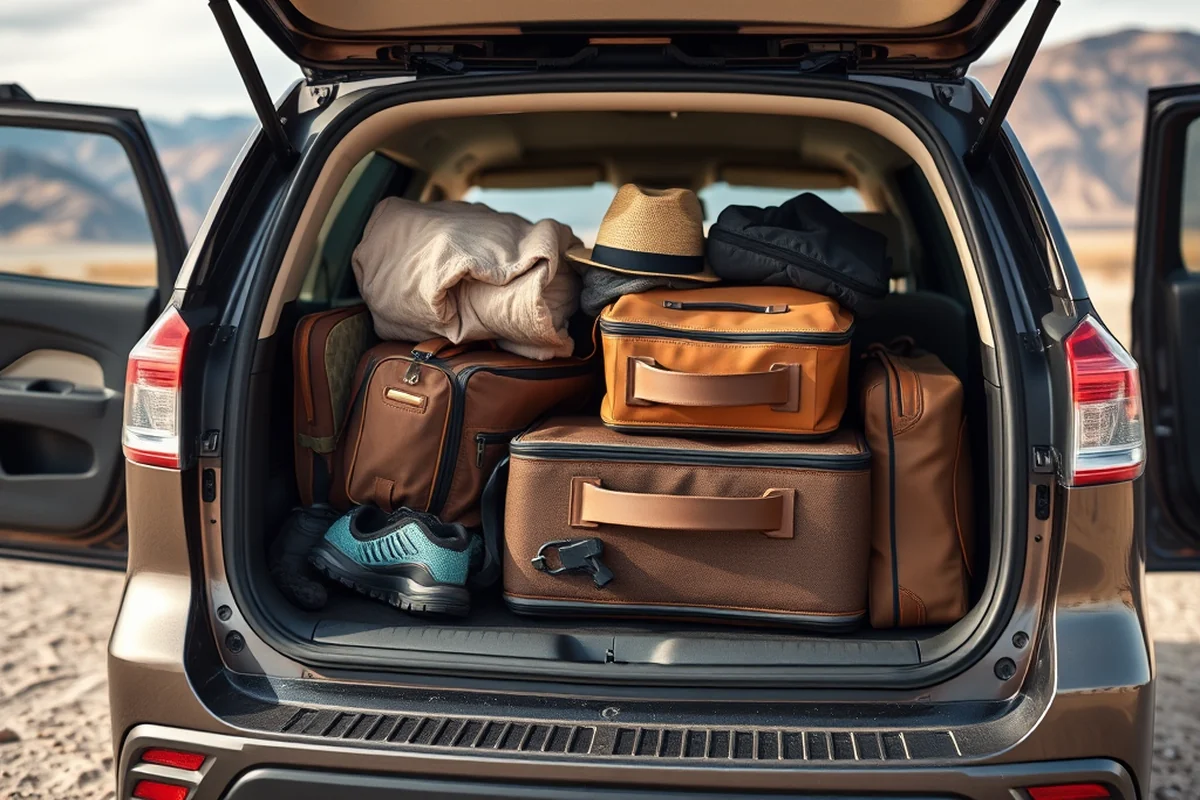
When I first arrived, I had no plan—just a map and a vague idea of where I wanted to go. That was a mistake. The park is vast, and without a plan, you can easily miss the best spots or find yourself stranded in the middle of nowhere with no shade or water.
I recommend starting with a map of the park and marking out the major points of interest: Badwater Basin, the Artist's Palette, the Mesquite Flat Dunes, and the road to Zabriskie Point. Then, plan your trip in a way that allows you to cover these areas without overextending yourself. I found that a four-day trip, with two or three major stops each day, was perfect.
Another thing to consider is where you'll stay. There are several campgrounds within the park, but they fill up quickly, especially in the spring and fall. I stayed at the Furnace Creek Campground and was glad I did—it had hot showers, a pool, and a great view of the surrounding mountains.
A well-planned trip is the difference between a great experience and a disaster.
Related: National park itineraries seasonal timing guides checklist
Essential Tips for Traveling in Death Valley
One of the most important things to remember is to bring plenty of water. I underestimated how much I would need and ran out by the end of my second day. I ended up buying a gallon of water at a gas station and paid nearly $5 for it. That was a lesson I won't forget.
Sunscreen is non-negotiable. I used a broad-spectrum SPF 50 and reapplied it every two hours. Even on overcast days, the sun can be brutal in the desert. I also wore a wide-brimmed hat and sunglasses to protect my eyes and skin.
Another tip is to avoid driving during the hottest part of the day. I tried to drive between 10 AM and 4 PM and found that the roads were extremely hot and the car's interior could reach over 140°F. I changed my schedule to drive early in the morning and late in the evening when the temperatures were more manageable.[3]
Bring at least 2 gallons of water per person per day and apply sunscreen every two hours. Wear a wide-brimmed hat and sunglasses to protect against the harsh desert sun.
“I remember standing at the edge of Badwater Basin in Death Valley National Park, the sun beating down on my skin like a taunt.”— Parkroutes editors
Related: Easy national park itineraries timing
The Must-See Attractions in Death Valley
Badwater Basin is the lowest point in North America, and standing on its salt flats is a surreal experience. The ground is so reflective that you can see your own reflection in the salt, which seems to stretch out forever. I took several photos, but nothing captured the feeling of being in the middle of one of the most extreme places on Earth.
The Mesquite Flat Sand Dunes are another must-see. They are huge and sculpted by the wind, creating a landscape that looks like something from a fantasy novel. I went hiking and found that the sand was warm beneath my feet, even in the early morning. The views from the top were worth the climb.
Zabriskie Point is a great spot for sunset views. The colors of the rocks and the sky change dramatically as the sun sets. I watched the sky turn from orange to deep purple, and the shadows stretched long across the valley floor. It was one of the most memorable moments of my trip.
Related: Utah national park travel guide
Staying Safe in the Desert
Heat exhaustion is a real danger in Death Valley, and it's easy to underestimate the risks. I felt lightheaded one afternoon and had to stop my hike and rest in the shade. I drank water and cooled myself down with a damp cloth until I felt better. It was a wake-up call about how quickly things can go wrong in the desert.
Another thing to be aware of is the lack of cell service. I lost my signal on several occasions, and it was disorienting. I made sure to have a satellite phone and a GPS device with me just in case. It's not something I would have thought of before my trip, but it was invaluable.
Lastly, be prepared for wildlife encounters. I saw a snake on the trail, and I knew not to approach it. I also stayed away from areas where I could see signs of animals, like scat or tracks. It's easy to get distracted in the desert, but you have to be vigilant.
Related: National park itineraries seasonal step by step
What to Pack for Your Trip
I brought a lightweight, breathable jacket for the cooler mornings and evenings. Even in the summer, the temperature can drop significantly at night, and I found that I needed it to stay warm while sleeping in the tent.
I also brought a high-quality backpack with a hydration system. It was a game-changer, allowing me to carry water and keep it easily accessible. I used a 3-liter hydration bladder, and it was enough for the day, but I always had extra water in a separate container.
Other essentials included a first-aid kit, a headlamp, and a small, lightweight tent. I had to set up my tent twice—once in the Furnace Creek Campground and once at a remote spot I found on a trail. The tent was easy to assemble and provided good protection against the elements.
Packing smart can mean the difference between a comfortable trip and a miserable one.
Related: Sequoia national park travel guide
The Best Time to Visit Death Valley
I visited in the spring, and the weather was perfect—mild days and cool nights. The wildflowers were in full bloom, and the colors of the landscape were more vivid than I had ever seen. It was a time of year when the park felt alive, not just a harsh, barren place.
In the summer, the temperatures can be unbearable, and the park can feel like a sauna. Even if you're used to the heat, you'll find it difficult to move around or enjoy the views. I wouldn't recommend visiting unless you're prepared for the extreme conditions.
Fall is another great time to visit, especially if you're looking for fewer crowds and more opportunities to enjoy the trails. The colors of the rocks and the sky are stunning, and the temperatures are just right for hiking and exploring.
💰 Budget Traveler
Explore Death Valley on a shoestring budget with free or low-cost options for lodging, food, and activities.
📅 Long Weekend Warrior
Maximize your time in Death Valley with a three- or four-day trip that includes all the major sights and attractions.
👨👩👧👦 Family Adventure
Plan a family-friendly trip with safe, accessible trails and accommodations that cater to kids of all ages.
🌤️ Off-Season Explorer
Discover Death Valley when the crowds are gone, and the weather is milder, with lower prices and fewer tourists.
🛏️ Luxury Retreat
Experience Death Valley in comfort with high-end lodgings, guided tours, and exclusive access to hidden gems.
| The mistake | Why it happens | The fix |
|---|---|---|
| Not bringing enough water | The desert is extremely hot and dehydrating, and even a small amount of water can be a lifesaver. Not bringing enough can lead to heat exhaustion or even heat stroke. | Bring at least two gallons of water per person per day and plan your route to include frequent stops for rest and hydration. |
| Ignoring the weather forecast | Weather in the desert can be unpredictable and extreme. Ignoring the forecast can lead to dangerous conditions and missed opportunities to see the park's best features. | Check the weather forecast before your trip and plan your itinerary around the conditions to ensure a safe and enjoyable experience. |
| Hiking during the hottest part of the day | Temperatures in Death Valley can reach over 120°F, and hiking during the heat of the day can be extremely dangerous and uncomfortable. | Plan to hike early in the morning or in the evening when the temperatures are cooler and the sun is less intense. |
| Not using sun protection | The sun in Death Valley is extremely strong, and not using proper sun protection can lead to severe sunburns and long-term skin damage. | Apply broad-spectrum sunscreen with SPF 50 or higher every two hours, wear a wide-brimmed hat, and use sunglasses with UV protection. |
Death Valley National Park Travel Guide
Common Questions
What is the best way to get around Death Valley National Park?
Are there any places to stay inside the park?
What are the most dangerous animals in Death Valley?
Can I hike during the summer months?
References
- Mining in the Southern California Deserts (blm.gov)
- death valley - Government Book Talk (govbooktalk.gpo.gov)
- Recent Incidents Highlight Risks of Remote Travel in Death Valley's ... (nps.gov)
Cite this guide
Parkroutes (2026). Death Valley National Park Travel Guide. https://parkroutes.com/death-valley-national-park-travel-guide/
Feel free to cite or share this guide.