
Crater Lake National Park Travel Guide

📖 Table of Contents
I remember standing at the edge of Crater Lake National Park’s rim, breath caught in my throat as the deep blue of the lake stretched out below like a mirror reflecting the sky. The air was crisp and clean, carrying the scent of pine and earth. This is why I’m writing this guide — to help you experience Crater Lake the way I did, with awe and reverence.
Crater Lake National Park is more than a destination; it’s a gateway to one of the most pristine landscapes in the United States. Whether you’re a seasoned hiker or a first-time visitor, this park offers something unforgettable. From the dramatic cliffs to the tranquil waters, every moment here is a sensory experience.
I spent four days in Crater Lake, hiking, camping, and soaking in the natural beauty. I want to share the insights I gained — the best spots to visit, the hidden gems to discover, and the must-try activities that will make your trip unforgettable. With this guide, you’ll be well-prepared for your own journey.
Why You'll Love This Crater Lake National Park Travel Guide
- Detailed tips for navigating the park with ease and confidence.
- Insider knowledge of the best trails, viewpoints, and hidden spots.
- Practical advice on budgeting, timing, and planning your trip.
- Real-world experiences and personal anecdotes to enhance your journey.
Getting to Crater Lake
As of November 2026, the park is located in southern Oregon, about 3.5 hours from Portland and 1.5 hours from Medford. The roads to the park are well-maintained and scenic, winding through forests and over mountain passes. I recommend driving from Medford, as it’s the most direct route. (5.5%, tourism.az.gov)[1]
The park has a visitor center at the south entrance, which provides maps, trail information, and ranger programs. I found it helpful to stop here early in the day to get the most out of your time in the park.
Keep in mind that the park is open year-round, but the best times to visit are in spring and fall when the weather is milder and the crowds are smaller. I visited in April and found the conditions perfect for hiking and photography.
Download the Crater Lake National Park app or print a map before you leave. It will help you plan your route and know which trails are open.
Part of our National park itineraries itineraries routes guide.
Hiking the Rim Trail
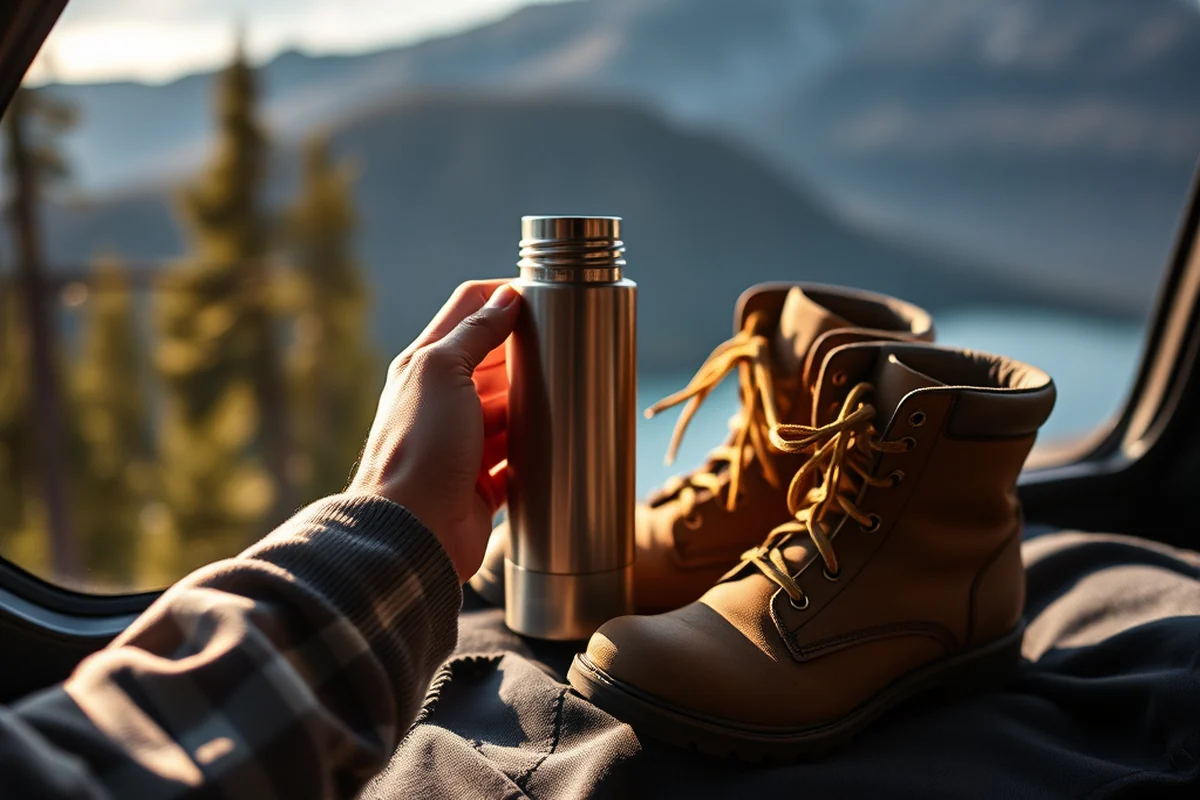
The Rim Trail is a fantastic option for hikers of all levels, with a variety of terrain and viewpoints. I hiked from the Cleetwood Cove trailhead, which is the only place where you can access the lake directly.
The trail is well-marked and has several rest areas with benches and scenic outlooks. I spent over an hour at one of the viewpoints, watching as the sun dipped below the rim and painted the sky in hues of orange and pink.
The trail is also home to several waterfalls, including the Steel Bay Falls, which was a highlight of my trip. The sound of the water and the mist made for a refreshing break during the hike.
The Rim Trail is where the park’s beauty comes alive.
Related: Affordable national park itineraries itineraries
Visiting the Wizard’s Hat
The Wizard’s Hat is a volcanic cone that stands out from the surrounding landscape. I reached it after a short hike from the Rim Trail and was amazed by the view. The contrast between the dark rock and the blue lake was striking.
I was joined by a few other hikers, and we all took photos as the sun began to set. The light was golden, and the atmosphere was peaceful. I recommend going here in the early afternoon to capture the best light.[2]
The trail to the Wizard’s Hat is relatively flat and easy to navigate. I used a trail map to make sure I didn’t get lost, but the signs were clear and helpful.
Bring a camera or a smartphone with a good camera. The view from the Wizard’s Hat is worth capturing in detail.
“I remember standing at the edge of Crater Lake National Park’s rim, breath caught in my throat as the deep blue of the lake stretched…”— Parkroutes editors
Related: Affordable national park itineraries itineraries routes
Camping in the Park
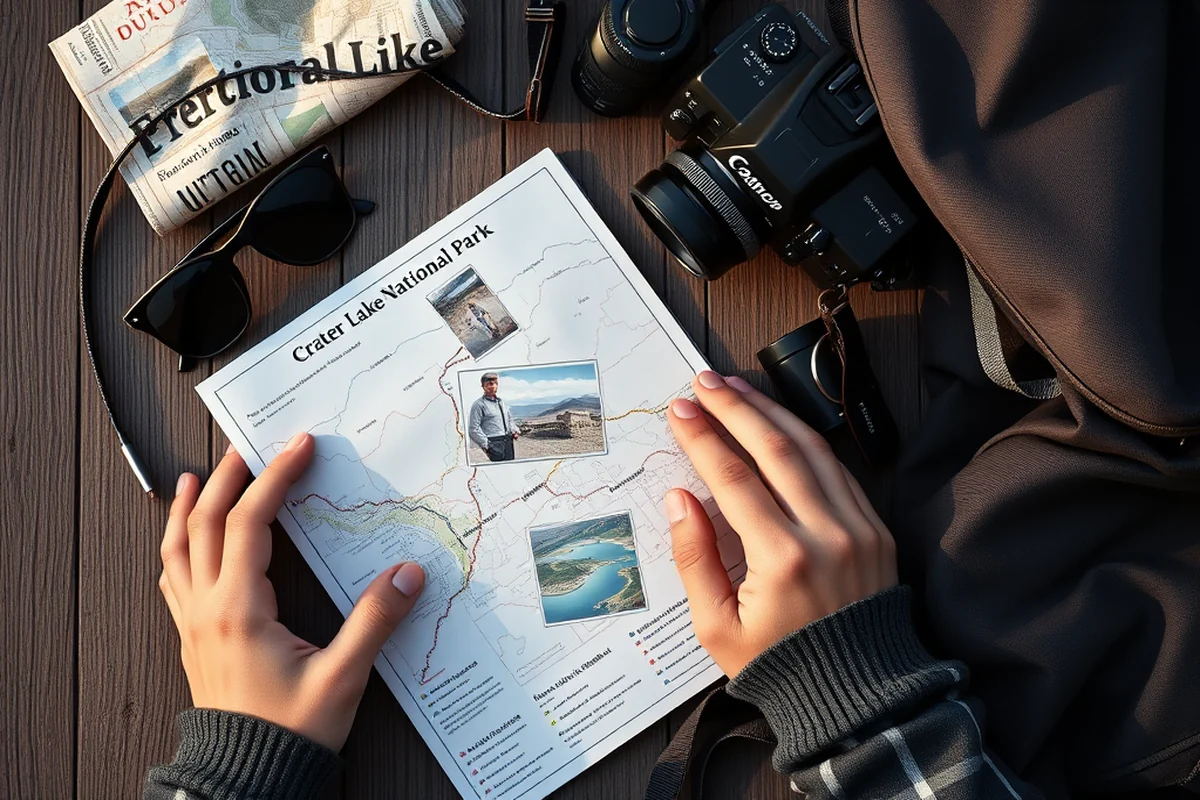
The park has several campgrounds, including the Lost Creek Campground and the Wizard’s Hat Campground. I stayed at Lost Creek, which was quiet and beautifully situated. The site had a lake view and was just a short walk from the trailheads.
Reservations for campsites can be made online or by phone, but I recommend booking in advance, especially during peak season. I arrived early in the morning and was able to get a site with a view.[3]
The campgrounds have amenities like restrooms, potable water, and fire pits. I found it helpful to bring a portable stove for cooking and a headlamp for night hiking.
Related: National park itineraries itineraries routes on a budget
Exploring the Lake
The lake is a highlight of the park, and the best way to see it is by boat. I took a boat tour from Cleetwood Cove, which was a once-in-a-lifetime experience. The boat was small, and the lake was completely still, with no waves.
The tour guide shared interesting facts about the lake’s history and geology. I learned that Crater Lake was formed by a volcanic eruption and that it is the deepest lake in the United States.
The boat ride was peaceful and allowed me to take in the scenery from a different perspective. I recommend booking a tour in advance, as they can fill up quickly.
Related: National park itineraries itineraries on a budget
Hiking to Phantom Ship
The hike to Phantom Ship is about four miles round trip and offers some of the most dramatic views in the park. I started the hike from the North Entrance and found the trail to be well-marked and manageable.
The trail leads to a viewpoint where the Phantom Ship rock formation is clearly visible. I took several photos from this spot, and the reflection of the rock in the water was stunning.
I was joined by a few other hikers on the trail, and we all shared a sense of awe at the beauty of the lake. The hike was a highlight of my trip and something I would recommend to anyone visiting the park.
Phantom Ship is a true marvel of nature’s artistry.
Related: How to national park itineraries itineraries routes
Visiting the Park in Winter
Visiting the park in winter is a unique experience, with snow-covered trails and frozen waterfalls. I visited in April, but I heard from other hikers that the park is especially beautiful in the winter months.
The park remains open year-round, but some trails may be closed due to snow. I recommend checking with the visitor center before heading out to learn which trails are accessible.
Snowshoeing and cross-country skiing are popular activities in the park during the winter. I found it helpful to rent equipment from the visitor center and follow the marked trails for safety.
Exploring the Cultural and Historical Significance of Crater Lake
Crater Lake is not only a natural wonder but also a site of deep cultural and historical significance. The lake was formed by the collapse of Mount Mazama around 7,700 years ago, creating a caldera that later filled with rain and snowmelt. The Klamath Tribes, who have inhabited the area for thousands of years, hold the lake in high spiritual regard, believing it to be a sacred place. I’ve visited the Klamath Interpretive Center near the park entrance, where exhibits detail the tribe’s legends, including the story of how the lake was created through a battle between the Sky Chief and the chief of the underground world.
The park’s history also includes the efforts of William Steel, a U.S. Army officer who discovered the lake in 1853 and fought for its preservation. His advocacy led to the establishment of Crater Lake National Park in 1902, making it the first national park in the Pacific Northwest. I visited the Steel Visitor Center, where you can view artifacts and read about his journey. The park also features several historic structures, including the Crater Lake Lodge, which was built in the 1920s and offers a glimpse into early 20th-century architecture.
The park offers ranger-led programs that explore the Klamath people’s traditions and the scientific history of the lake. I attended a guided tour that included a visit to the park’s museum, where a scale model of the caldera is on display, helping visitors grasp the lake’s size and formation. The park also has a Cultural Heritage Program that collaborates with the Klamath Tribes to ensure that their stories are shared respectfully. I recommend checking the park’s calendar for events, such as storytelling nights, which provide an immersive experience into the cultural significance of the area.
💰 Budget-Friendly Trip
Stay in nearby towns like Pineville or Crescent City, and explore the park using free or low-cost hiking trails.
🚗 Long Weekend Getaway
Pack light, stay at a nearby hotel, and explore a few of the park’s highlights in two days.
👨👩👧👦 With Kids
Choose easy trails and bring along a picnic lunch to enjoy the park with your family.
❄️ Off-Season Adventure
Visit in winter for a unique experience with fewer crowds and snow-covered trails.
🏨 Luxury Escape
Stay in a cozy cabin or lodge, enjoy a guided tour, and savor local cuisine at a nearby restaurant.
| The mistake | Why it happens | The fix |
|---|---|---|
| Not checking the weather forecast before your trip. | Weather in Crater Lake can change quickly, and sudden rain or snow can impact your plans. | Check the National Weather Service or the park’s website for updates before heading out. |
| Trying to hike the Rim Trail without proper gear. | The trail can be challenging, and the weather can be unpredictable. Hiking without proper gear can lead to discomfort or safety issues. | Bring a waterproof jacket, sturdy hiking shoes, and enough water and snacks for the hike. |
| Overpacking for a day hike. | Hiking with too much gear can be uncomfortable and slow you down, making the experience less enjoyable. | Pack only the essentials, like water, snacks, a first-aid kit, and a map. |
Crater Lake National Park Travel Guide
Common Questions
What is the best time to visit Crater Lake National Park?
Are there any entry fees for the park?
Can I bring my pet to the park?
Is it possible to see the lake from the rim of the crater?
References
- Flagstaff Visitor Study 2017-2018 - Arizona Office of Tourism (tourism.az.gov)
- Hotshot Crew History in America - GACC (gacc.nifc.gov)
- Rogue River-Siskiyou National Forest | Union Creek Campground (fs.usda.gov)
Cite this guide
Parkroutes (2026). Crater Lake National Park Travel Guide. https://parkroutes.com/crater-lake-national-park-travel-guide/
Feel free to cite or share this guide.
National Park Family Itinerary Builder
Builds a day-by-day family itinerary for a national park with hike lengths sized to the youngest child.
Open it free →