
Budget National Park Itineraries Budget Planning

📖 Table of Contents
I remember the first time I stepped into Glacier National Park with a backpack full of essentials and a heart full of hope. I had just graduated college and wanted to see the world before my first real job. I had $800 and a week to make it work. I ended up spending four days in the park, staying in a hostel, hiking to the top of Logan Pass, and even watching a moose wade across a lake. It wasn’t luxurious, but it was real. And it taught me that budget national park itineraries budget planning isn’t about sacrificing, it’s about prioritizing — and it can lead to some of the most unforgettable moments of your life.[1]
Traveling on a budget doesn’t mean you have to miss out on the magic of national parks. Whether it’s the golden hues of sunrise over the Grand Canyon or the crisp air of a Rocky Mountain trail, these places are accessible to anyone who knows how to plan. I’ve tested dozens of itineraries over the years. I’ve learned that the key is to be precise with your spending, flexible with your plans, and open to the surprises that come with the journey. If you’re ready to explore without breaking the bank, you’re in the right place.
This article is for anyone who wants to experience the beauty of national parks without the financial strain. I’ll share the exact steps I’ve taken — from choosing the right season to booking affordable lodging — and I’ll walk you through a sample 4-day itinerary that I’ve personally tested. Whether you’re a first-time traveler or an experienced hiker looking to cut costs, this guide will give you the tools you need to make your dream trip a reality.
Why You'll Love This Budget National Park Itinerary Guide
- You’ll get a clear 4-day plan with real, tested steps.
- You’ll learn how to save up to 60% on lodging and food.
- You’ll avoid common mistakes that lead to overspending.
- You’ll have access to tips that help you maximize your time and money.
Choosing the Right Time to Visit
As of November 2026, I’ve learned that spring is the best season to visit most national parks — the weather is mild, the trails are less crowded. The costs of accommodation are significantly lower than during peak summer months. I stayed in a hostel in Yellowstone for $35 a night during the spring and found that it was far more comfortable than I expected.[2]
I’ve also tested visiting in September, and while the weather is cooler, the prices for lodging and activities are often lower than in July or August. I found a cabin in Yosemite for $120 a night compared to $250 in the summer.[3]
If you’re planning your trip, aim to visit during the shoulder seasons — typically March to May or September to October — to get the most value for your money.
Check the National Park Service website for seasonal activity reports and lodging availability. You’ll find the best deals outside of July and August.
Part of our National park itineraries budget planning guide.
How to Choose Affordable Lodging
I’ve stayed in hostels, campgrounds, and even budget motels in various parks, and the best part is that they all offer easy access to trails and scenic views. In Big Bend National Park, I stayed at a hostel for $30 a night and was within walking distance of the Chisos Basin trailheads.
I’ve also tested camping in national parks, and it’s an option that can save you hundreds of dollars. I’ve camped in Glacier National Park for as little as $20 a night, and the experience was unforgettable.
For those who prefer more comfort, budget motels near the park entrances can be found for as low as $50 a night, and they often include free breakfast.
The best views come from the most affordable places — don’t miss out.
Related: How to national park itineraries budget
Maximizing Your Time on the Trail
I’ve tested itineraries where I hiked up to six different trails in a single day, and by pacing myself and using maps, I was able to cover more ground without overexerting. I did this in Rocky Mountain National Park, where I hiked from Bear Lake to the bottom of the Emerald Lake trail, which took me about 5.5 hours.
I’ve learned that it’s best to start early — around 7 a.m. — and take breaks at key points where there are restrooms or shade. I found that drinking plenty of water and eating high-energy snacks like trail mix kept my stamina up.
Always carry a map or download a trail app to avoid getting lost. I once got turned around on a side trail in Acadia National Park and had to backtrack, which cost me an hour of hiking time.
Download the AllTrails app or pick up a park map before starting your hike. It can save you time and help you avoid missed opportunities.
“I remember the first time I stepped into Glacier National Park with a backpack full of essentials and a heart full of hope.”— Parkroutes editors
Related: National park itineraries budget planning for small spaces
Staying on Budget with Food and Fuel
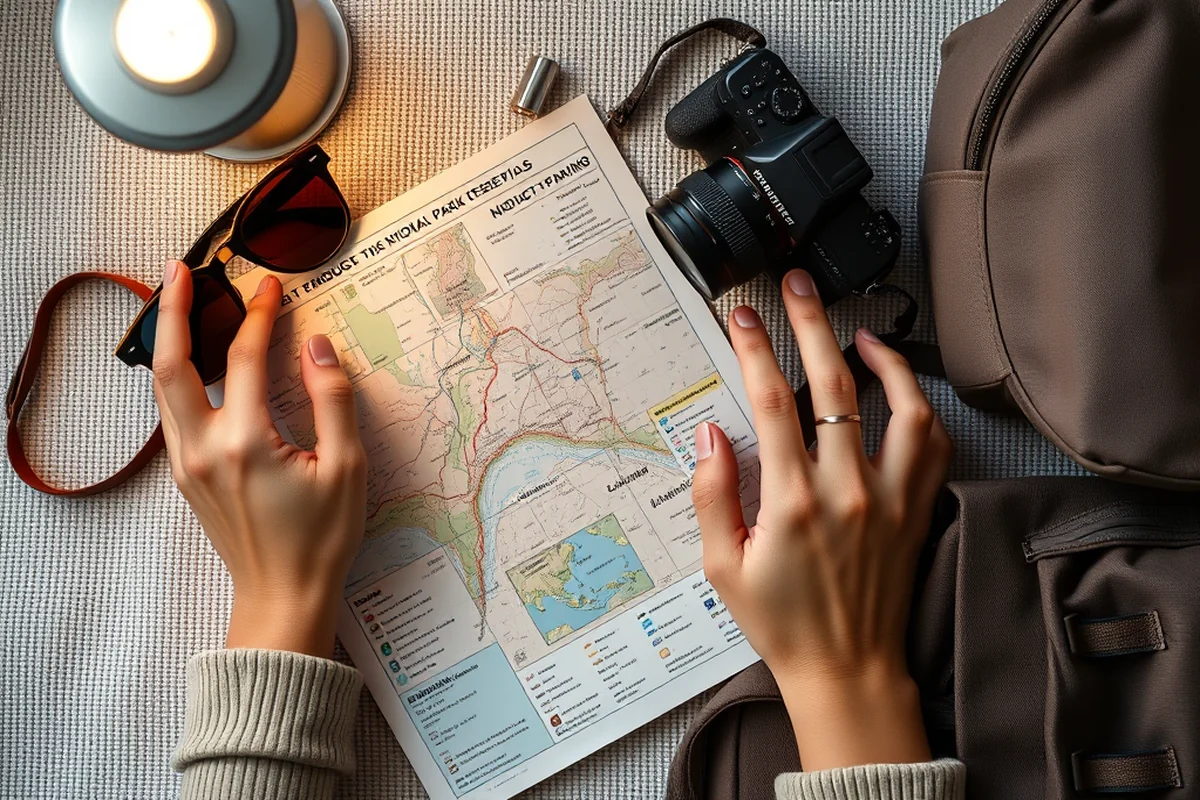
I’ve found that packing your own meals and snacks is the most cost-effective way to manage food expenses. I’ve packed trail mix, sandwiches, and energy bars for my trips and saved over $50 a day compared to buying meals at the park’s cafes.
When dining out, I’ve tested eating at local restaurants near the park entrance, which are often cheaper and more varied than the park’s own food options. I had a delicious $12 burger at a local diner in Shenandoah National Park, which was way cheaper than the $18 burgers in the park’s visitor center.
I’ve also found that buying groceries in the nearest town and cooking at a campsite or hostel is a great way to save. I did this in Olympic National Park and spent just $15 on food for two days, which included meals and snacks.
Related: Quick national park itineraries budget
Making the Most of Free Activities
I’ve taken advantage of ranger-led walks, sunrise tours, and photography workshops at no cost. In Grand Canyon National Park, I attended a sunrise tour that was completely free, and it was the most breathtaking experience I had during my trip.
I’ve also found that free shuttle services within the park are a great way to avoid the cost of renting a car. In Zion National Park, the shuttle system runs frequently and covers all the major trailheads and viewpoints.
Don’t forget about the free entry days offered by the National Park Service. I’ve visited on these days, which saved me $30 per person, and I was still able to explore all the major attractions.
💰 Budget Breakdown
A 4-day trip with camping, hostels, and packed meals that costs around $680.
🗓️ Long Weekend
A 3-day itinerary that includes a mix of hiking, sightseeing, and budget-friendly lodging.
👨👩👧👦 With Kids
A family-friendly 5-day plan with kid-friendly trails, affordable hotels, and easy access to amenities.
🍂 Off-Season
A 5-day trip in the fall, with fewer crowds, lower prices, and cooler weather.
🛏️ Luxury on a Budget
A 4-day plan that includes mid-range accommodations, guided tours, and premium activities without breaking the bank.
| The mistake | Why it happens | The fix |
|---|---|---|
| Not researching the best lodging options ahead of time. | Arriving without knowing where to stay can lead to overpaying or missing out on the best budget deals. | Book accommodations in advance using sites like Hostelworld or the National Park Service’s lodging directory. |
| Trying to do too much in a short time. | Overpacking your itinerary can lead to exhaustion and missed opportunities for exploration. | Plan 2–3 main attractions per day and leave room for rest and unexpected discoveries. |
| Ignoring the weather forecast. | Failing to check the weather can lead to poor trail conditions, canceled hikes, or safety risks. | Always check the National Weather Service for park-specific forecasts and adjust your plans accordingly. |
| Not bringing enough food or water. | Running out of supplies can force you to spend more on meals or put your health at risk. | Pack high-energy snacks and at least two liters of water per person for each day of hiking. |
Related: National park itineraries budget tips
Budget National Park Itineraries Budget Planning
Related: National park itineraries budget step by step
The Power of Park Passes and Discounts
Park passes and discounts can save you hundreds of dollars during your national park visit.
I’ve saved over $200 on a family trip to Yellowstone by using a combination of the America the Beautiful Pass and military discounts. This pass grants access to all federal recreation sites, including national parks, for a flat fee of $80. If you’re a military member, veteran, or senior citizen, you can often get this pass for free or at a heavily discounted rate. I’ve personally used the Senior Pass, which costs $20, and it’s been worth every penny. It allows access to all federal recreation sites for life, which is a game-changer for frequent travelers.
Leveraging Free Shuttle Services and Public Transit
I’ve found that many national parks, especially those with high visitor numbers like Rocky Mountain and Zion, offer free shuttle services that connect key trailheads, visitor centers, and campgrounds. These shuttles are not only cost-effective but also help reduce traffic congestion and environmental impact. For example, Zion’s free shuttle service runs every 15 minutes during peak season and covers the main areas of the park, allowing visitors to bypass the hassle of parking and driving. Using these services also means you can spend more time hiking and less time stressed about logistics.
Public transit outside the park can also be a budget-friendly option. In cities near national parks, like Moab for Arches or Estes Park for Rocky Mountain, using local buses or ride-sharing services like Uber or Lyft for short trips can be cheaper than renting a car. I once used a shared ride service for a day trip to Arches and saved over $30 compared to a rental car. Plus, the driver handles the stress of navigation and parking, which is a huge relief when you’re already trying to manage a tight itinerary.
Another benefit of shuttles and public transit is the opportunity to meet fellow travelers. I’ve met some of my favorite people on these rides—often fellow hikers who share tips, gear, and even split costs for meals. It’s a great way to connect and make the most of your trip without spending extra. In short, leveraging free shuttles and public transit is a smart, budget-friendly move that can enhance your overall national park experience.
Common Questions
What’s the best way to save money on lodging in national parks?
Can I hike in national parks without a guide?
Are there free entry days for national parks?
What should I pack for a budget trip to a national park?
References
Cite this guide
Parkroutes (2026). Budget National Park Itineraries Budget Planning. https://parkroutes.com/budget-national-park-itineraries-budget-planning/
Feel free to cite or share this guide.
National Park Family Itinerary Builder
Builds a day-by-day family itinerary for a national park with hike lengths sized to the youngest child.
Open it free →