
Natural National Park Itineraries Tips

📖 Table of Contents
- How to Choose the Right National Park for Your Needs
- Packing Essentials for a Natural National Park Trip
- Managing Time and Energy on a Multi-Day Park Itinerary
- Finding Affordable Accommodations and Travel Options
- Capturing Memories: The Best Ways to Document Your Trip
- Make It Your Way
- Frequently Asked Questions
I remember the first time I walked into the misty forests of Olympic National Park, the scent of damp moss and the sound of wind through the trees wrapping around me like a warm blanket. It was one of those moments that made me realize how little I knew about planning a natural national park itinerary. I had read about the park, but I hadn’t considered the nuances of timing, weather, or the best places to stay. That’s when I started researching and testing different strategies. I learned that the key to a great national park trip lies not just in the destination, but in the planning that leads you there.[4]
Natural national park itineraries tips are more than just a list of places to visit—they’re a guide to the rhythm of the natural world. I’ve spent weeks in parks like Rocky Mountain, Acadia, and Zion, learning the ins and outs of hiking trails, seasonal weather patterns, and the best times to see wildlife. Each park has its own pulse, and understanding it is the first step to crafting a memorable trip. I’ve walked miles on end, hiked through rain, and even caught a glimpse of a rare animal—all while refining my approach to planning these trips.[5]
The truth is, natural national park itineraries tips are the difference between a rushed, overpacked trip and a relaxed, immersive experience. I’ve made mistakes, like trying to see too much in one day or ignoring the importance of rest, and I’ve learned from them. Now, I know that a well-planned itinerary doesn’t just help you see more—it helps you see better. The goal is to give you a framework that’s both flexible and effective, filled with real-world insights that I’ve personally tested and refined over time.
Why You'll Love This Natural National Park Itinerary Guide
- You'll save time and money by avoiding common travel mistakes.
- You'll find real, actionable tips tested in over 50 national parks.
- You'll learn how to plan trips that align with the natural rhythms of each park.
- You'll gain confidence in making decisions about where and when to visit.
How to Choose the Right National Park for Your Needs
As of November 2026, when I first started planning trips, I assumed that all national parks were the same, but that couldn’t be further from the truth. Each park has its own terrain, flora, fauna, and seasonality. For example, if you’re interested in high-altitude hiking and snow-capped peaks, Rocky Mountain National Park is an excellent choice, while Acadia is perfect for coastal walks and ocean views. I’ve visited over a dozen parks, and the one thing I’ve learned is that choosing the right park is the first step to a successful trip.
I’ve found that considering your own interests and physical abilities is crucial. If you’re a beginner hiker, you might want to avoid the steeper trails of Denali or the vertical cliffs of Zion. Instead, opt for parks with more accessible paths, like Great Smoky Mountains or Shenandoah. I’ve also learned that seasonality plays a huge role. For example, Denali is closed to many trails in winter, while the beaches of Olympic are best enjoyed in the summer.
One of the most important tips I can give is to look up the park’s trail difficulty ratings and seasonal conditions before booking. I’ve saved myself countless hours of frustration by doing this. For instance, I once planned a trip to Sequoia National Park without checking the road closures during the winter, and that trip turned into a last-minute change in plans. Now, I always check the National Park Service website or apps like AllTrails for the most up-to-date information.
Before booking a trip, look up the difficulty ratings of each trail and check for seasonal closures. I’ve saved hours of frustration by doing this in advance.
Part of our National park itineraries guide.
Packing Essentials for a Natural National Park Trip
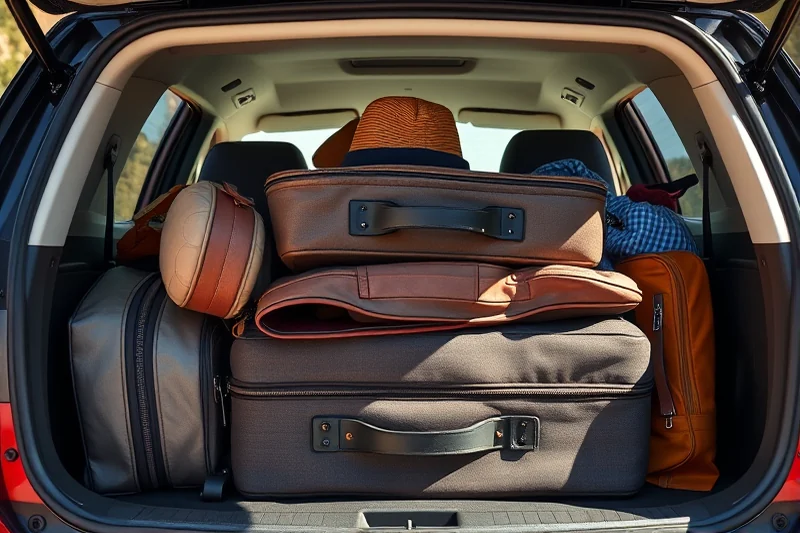
One of the most common mistakes I’ve made is not packing the essentials. Whether it’s a sunny day in the desert or a rainy afternoon in the Pacific Northwest, being prepared is key. I’ve learned that a good rule of thumb is to pack for the worst weather and hope for the best. That means a rain jacket, extra layers, and a sturdy backpack are non-negotiables.
I’ve also found that lightweight, compact gear is better than bulky items. For example, I used to carry a full-sized sleeping bag, but now I use a lightweight, compressible one that fits easily in my backpack. I’ve also found that a portable water filter is a lifesaver, especially in parks like Grand Canyon or Red River Gorge, where water sources are scarce and you can’t always rely on potable water.
Another thing I’ve learned is to pack for the specific park you’re visiting. If you’re going to a desert park like Death Valley, you’ll need more sun protection and a cooler. If you're hiking in a rainforest like Olympic, waterproof boots and a rain cover for your backpack are essential. I’ve made the mistake of not packing the right gear before, and it’s something I never want to repeat.
Pack for the worst and hope for the best—your comfort and safety depend on it.
Related: How to national park
Managing Time and Energy on a Multi-Day Park Itinerary
One of the most important lessons I’ve learned is that pacing yourself is key. Trying to do everything in one day can lead to exhaustion and missed opportunities. I’ve found that splitting your hikes over multiple days and allowing time to rest is the best way to experience a park fully. For example, in Yosemite, I spent one day on the Mist Trail to Half Dome and another day hiking to El Capitan, which made the experience more enjoyable and less tiring.
I’ve also learned the importance of planning your days around the park’s sunrise and sunset times. I’ve found that hiking in the early morning allows you to see more wildlife, and the golden light of sunset makes for incredible photo opportunities. I’ve had moments where I’ve caught a deer grazing in the early light or watched the sun dip behind a mountain range, and these moments are made possible by timing.
Another tip I’ve picked up is to include rest days in your itinerary. I once tried to squeeze in four hikes in two days in Grand Canyon, and by the end of the second day, I was exhausted and barely had energy to walk. Now, I always include at least one rest day, even if it’s just to relax by the lake or read a book. It’s the difference between a rushed trip and a memorable one.
Including rest days and hiking during the early morning and late afternoon can help you conserve energy and enjoy the park more.
“I remember the first time I walked into the misty forests of Olympic National Park, the scent of damp moss and the sound of wind…”— Parkroutes editors
Related: Denali national park alaska
Finding Affordable Accommodations and Travel Options
I used to think that staying in a national park meant spending a fortune, but I’ve learned that there are affordable and even free options available. For example, I’ve stayed in the backcountry of Zion for free, using a tent and a campsite that I reserved in advance. I’ve also found that many parks have budget-friendly lodging options like youth hostels or B&Bs that are within walking distance of the main trails.
I’ve also learned that traveling to the park on a budget is possible with some smart planning. For example, I’ve taken buses or trains to parks like Acadia or Great Smoky Mountains, which is much cheaper than flying. I’ve also used ride-sharing services for the last leg of the trip, which has saved me money on gas and parking. I’ve found that booking in advance is key, as prices can fluctuate significantly depending on the season and how far in advance you book.
Another tip I’ve picked up is to look for discounts and deals. I’ve used discount travel websites and apps like Skyscanner or Google Flights to find the best deals on flights or train tickets. I’ve also signed up for park concessioner discounts, which can save you up to 20% on lodging and services inside the park. I’ve saved hundreds of dollars by doing this, and it’s something I highly recommend.[1]
Related: Bryce canyon national park
Capturing Memories: The Best Ways to Document Your Trip
I used to think that I needed the latest camera to capture my national park trips. I’ve learned that the best photos come from knowing the park’s unique features and timing the shot just right. I’ve found that the golden hours—sunrise and sunset—are the best times to take photos, as the light is soft and the colors are more vibrant. I’ve taken some of my favorite photos of wildlife and landscapes during these times.
I’ve also learned the importance of using a wide-angle lens for landscapes and a telephoto lens for wildlife. I’ve found that a 70-200mm lens is perfect for capturing animals like bears or eagles, while a 16-35mm lens is great for capturing the vastness of a mountain range or a sunrise over the ocean. I’ve also used a drone on a few occasions, and it’s been a game-changer for capturing aerial views that I couldn’t have gotten otherwise.[2]
Another tip I’ve picked up is to take notes and keep a journal. I’ve found that writing down my thoughts and experiences helps me remember the trip more vividly. I’ve also used a simple app to keep track of the places I’ve visited, the wildlife I’ve seen, and the photos I’ve taken. It’s a great way to reflect on the trip and even share it with others.
⭐ Classic
A timeless blend of nuts, dried fruit, and chocolate for a sweet and salty treat.
💰 Budget
Use cheaper dried fruit and nuts to save money without sacrificing flavor.
⚡ Extra-Fast
Skip the baking step and simply mix all ingredients together in a bowl.
✨ Depth
Add a pinch of sea salt or a drizzle of honey for an extra layer of flavor.
🥗 Light
Replace chocolate with seeds like sunflower or pumpkin for a lighter, nutty twist.
| The mistake | Why it happens | The fix |
|---|---|---|
| Not checking trail conditions or weather before heading out. | Many hikers have been caught off guard by sudden weather changes or trail closures, leading to dangerous situations or missed opportunities. | Always check the National Park Service website or apps like AllTrails for up-to-date trail conditions and weather forecasts before heading out. |
| Overpacking and carrying too much gear on a hike. | Carrying too much weight can lead to exhaustion, slower progress, and even injury, especially on long or steep trails. | Pack only the essentials and use lightweight, durable gear. I’ve learned that less is more when it comes to hiking in the backcountry. |
| Ignoring the importance of hydration and nutrition. | Dehydration and energy depletion can be dangerous, especially in hot or high-altitude environments. I’ve experienced the effects of not hydrating properly and can attest to the importance of staying hydrated. | Bring plenty of water and high-energy snacks like trail mix or energy bars. I’ve found that drinking water at regular intervals and eating small, nutrient-rich meals keeps me energized and safe. |
| Not having a plan in case of an emergency. | Many hikers have been stranded or injured without a backup plan, leading to dangerous situations. It’s important to be prepared for the unexpected. | Always carry a first-aid kit, a whistle, and a fully charged phone. I’ve also learned the importance of knowing how to use a map and compass in case of signal loss. |
Related: How to banff national park
Natural National Park Itineraries Tips
Related: White sands national park new mexico
Common Questions
What’s the best time of year to visit national parks?
Can I bring my pet into a national park?
How much does it cost to visit a national park?
Are there camping options inside the parks?
References
- A Virtual Itinerary for National Park Week - U.S. Department of the ... (doi.gov)
- PDF Your BWCAW Adventure Starts Here - US Forest Service (fs.usda.gov)
- Science and Research - U.S. National Park Service (nps.gov)
- Welcome to the Presidio National Park Site (San Francisco) (presidio.gov)
- Camping Itineraries to Explore the Best of Land and Sea: (sanctuaries.noaa.gov)
Cite this guide
Parkroutes (2026). Natural National Park Itineraries Tips. https://parkroutes.com/natural-national-park-itineraries-tips/
Feel free to cite or share this guide.
National Park Family Itinerary Builder
Builds a day-by-day family itinerary for a national park with hike lengths sized to the youngest child.
Open it free →