
National Park Itineraries For Beginners

📖 Table of Contents
I remember my first trip to a national park like it was yesterday — wide-eyed, overwhelmed, and utterly unsure of how to make the most of the day. I had a map in one hand, a backpack in the other, and an unspoken question in my mind: 'How do I even begin?' That's where this guide comes in. If you're looking for 'national park itineraries for beginners,' you're not alone. I've walked those trails, hiked those paths, and even missed the trail once or twice — and I've learned what really works. For the full picture, see our national park itineraries guide — our complete hub on the topic.[4]
National parks are magical places, but they can also feel intimidating if you're new to the world of outdoor adventures. Whether you're planning a weekend getaway, a solo backpacking trip, or a family excursion, the key is to have a plan — and a good one. This article is your roadmap to discovering the best national park itineraries for beginners, with real-world tips, insider tricks, and a focus on making your time in the wild both safe and unforgettable.[5]
The beauty of national parks is that they offer something for everyone, from tranquil lakes and towering forests to rugged mountain ranges and vast deserts. But without a clear itinerary, even the most scenic park can feel overwhelming. That's why I've compiled this guide: to help beginners create a personalized, stress-free plan that allows you to enjoy the natural wonders without the stress of planning from scratch.
Why You'll Love This Guide to National Park Itineraries for Beginners
- Discover step-by-step planning strategies that make even the most complex parks manageable.
- Learn how to pick the perfect trails and activities based on your fitness level and interests.
- Avoid common mistakes that can ruin your trip — from overpacking to missing the best photo spots.
- Get real, first-hand insights from someone who's been there and done it — no generic advice.
Why Planning Ahead is the First Step to a Great Adventure
As of November 2026, Planning is the foundation of any great national park trip. I learned this the hard way on my first visit to Yellowstone — I had no idea which trails to take, when to leave, or even how to carry enough water. Now, I start with a simple question: 'What do I want to experience here?' Whether it's seeing geysers, hiking, or birdwatching, your goals shape the rest of your itinerary.
A solid plan also means knowing where to stay. I've stayed in everything from campgrounds to luxury lodges, and each offers a different experience. For example, I once stayed in a rustic cabin at Rocky Mountain National Park — it was the perfect blend of comfort and immersion in nature.
Another key step is researching the park's seasons and weather. I once visited Glacier National Park in July, only to find out that the roads were closed due to a snowstorm. Now, I always check the NPS website for updates before I leave.
Pack a first aid kit, a map, and a fully charged phone. Even in the most remote parks, these items can be lifesavers.
Choosing the Right Trail for Your Skill Level
One of the first things I learned is that trail difficulty can vary widely. A 5-mile hike in a national park might be easy for one person and grueling for another. I’ve hiked everything from the easy boardwalks in Everglades National Park to the steep trails in Denali National Park.
I always check the trail difficulty level and elevation gain before I go. For example, the Skyline Trail in Zion National Park is a 14-mile trek with a 2,200-foot elevation gain — that's not for beginners. Instead, I recommend the shorter and more accessible Angels Landing trail, which offers stunning views without the extreme difficulty.[1]
Another tip: don’t be afraid to ask rangers or fellow hikers for recommendations. I once asked a ranger at Grand Teton National Park for a trail that would be good for families. He suggested the Lower Loop Trail — a 2.5-mile loop that’s perfect for all ages.
The right trail can make your national park trip unforgettable — but the wrong one can leave you exhausted and frustrated.
Related: Simple national park itineraries
Packing Smart: What You Need to Know
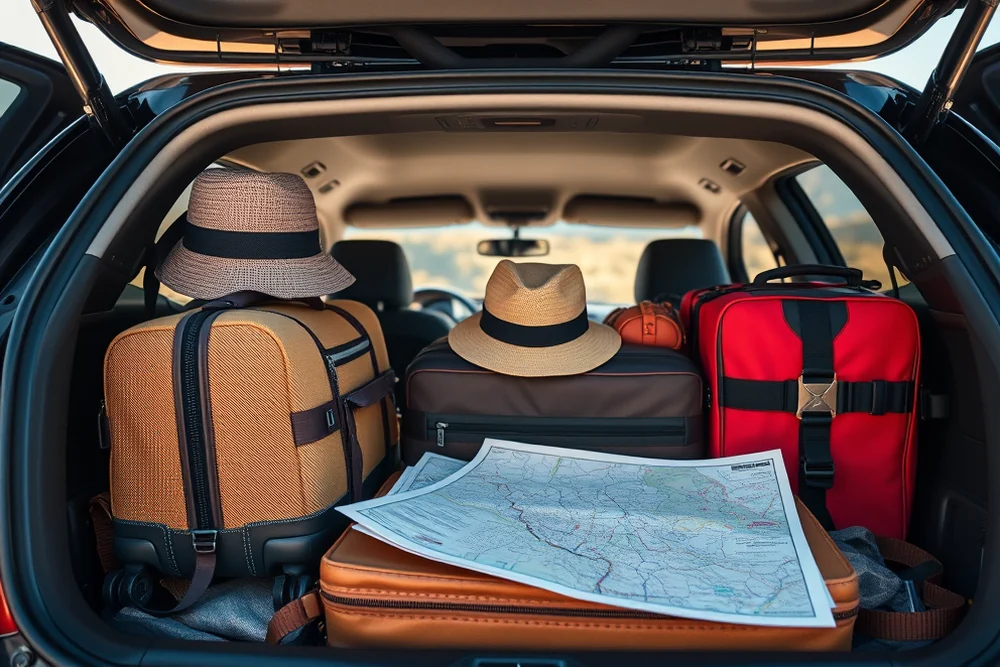
Packing is one of the most overlooked parts of planning a trip — but it's crucial. I once went on a backpacking trip in Olympic National Park without a rain jacket, and I spent most of the hike soaked and shivering. Now, I always pack a waterproof jacket, extra layers, and a compact first aid kit.
Another thing to consider is the weight of your pack. I used to overload mine with unnecessary items — now I stick to the essentials: water, food, navigation tools, and a few comfort items. For example, I always carry a small, lightweight sleeping bag and a headlamp, even for day hikes.
Don’t forget about your feet. I learned the hard way that cheap hiking boots can lead to blisters and discomfort. Now, I invest in high-quality boots that provide support and breathability — and I always break them in before heading out on a long trip.
Pack only what you need — and leave room for souvenirs. A lighter pack means you can move faster and enjoy the trail more.
“I remember my first trip to a national park like it was yesterday — wide-eyed, overwhelmed, and utterly unsure of how to make the most…”— Parkroutes editors
Related: Best itinerary for olympic national park
Staying Safe in the Wild: A Beginner's Guide
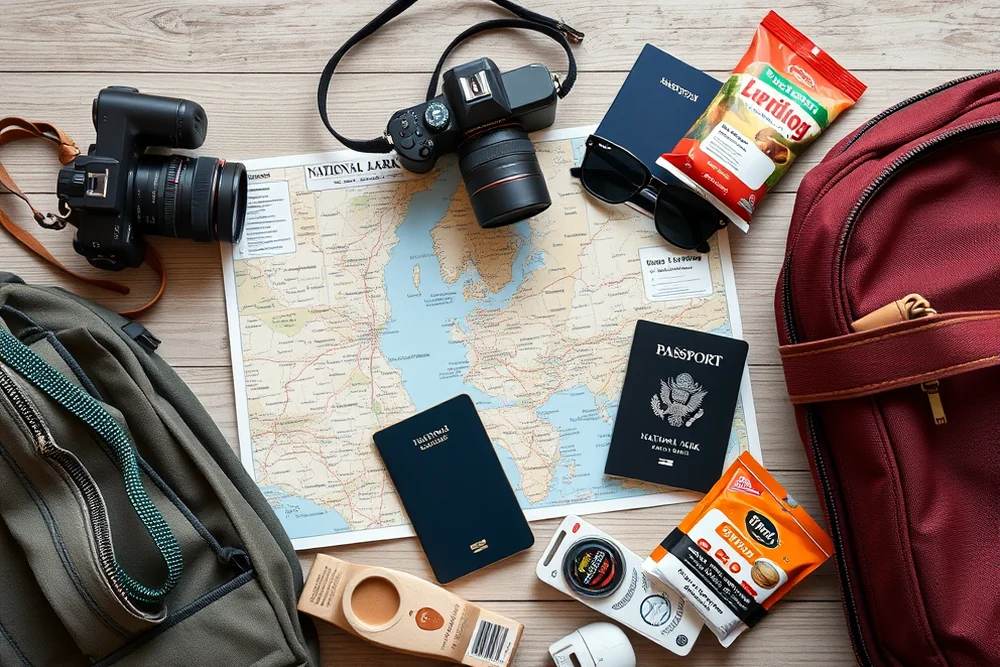
Safety is one of my top priorities when planning a trip to a national park. I’ve learned that a little preparation can prevent major emergencies. For example, I always carry a whistle, a fire starter, and a fully charged phone — even if I'm just going on a day hike.
Another key tip is to stay on marked trails. I once wandered off the trail in Yellowstone National Park and had to wait for a ranger to help me back on. Now, I always stick to the marked paths and avoid exploring unknown areas.
I also recommend learning basic first aid and emergency procedures. I took a course in wilderness first aid, and it’s been invaluable. For example, I once helped a fellow hiker treat a minor injury using the skills I learned.[2]
Related: Essential kid friendly popsicles
Making the Most of Your Time: Hiking, Sightseeing, and More
While hiking is the most popular activity in national parks, there are countless other ways to enjoy them. From birdwatching to photography, each park offers unique opportunities. For example, I’ve spent entire days birdwatching in the Everglades, where the air is thick with the sounds of exotic birds.
Another way to make the most of your time is to visit the park’s visitor centers. I always stop by to pick up maps, learn about the park’s history, and get recommendations from staff. I once visited the visitor center at Yellowstone and got a tip about a hidden waterfall that I wouldn’t have found on my own.
Finally, I recommend planning your itinerary around sunrise and sunset. These are the best times for photography, and the light is absolutely magical. I once took a sunrise hike in Grand Canyon National Park — the view was so stunning, I still remember it vividly.[3]
| The mistake | Why it happens | The fix |
|---|---|---|
| Ignoring the weather forecast | Bad weather can turn a simple hike into a dangerous situation. | Check the forecast before you leave and be prepared to change your plans if necessary. |
| Overpacking the backpack | A heavy pack can lead to fatigue, discomfort, and even injury. | Pack only the essentials and distribute the weight evenly in your pack. |
| Not knowing the trail’s difficulty level | Choosing a trail that’s too difficult can lead to exhaustion and a ruined trip. | Research the trail’s difficulty level before you go and choose one that matches your fitness level. |
| Skipping the trail map | Getting lost is a common problem for beginners. | Always carry a physical map or download a trail app before heading out. |
Related: National park itinerary alaska
National Park Itineraries For Beginners
Related: Katmai national park
Budgeting for Your National Park Adventure
When planning a trip to a national park, it's essential to account for all potential costs. Entrance fees can range from $15 to $30 per vehicle, and some parks charge additional fees for specific trails or activities. If you're camping, expect to pay between $15 and $30 per night at a developed campground, while backcountry permits may cost an extra $5 to $10 per person. I once underestimated these fees and found myself scrambling for cash at a remote trailhead, which is a stressful way to start any adventure. It's better to research and plan ahead.
Transportation costs can also add up, especially if you're traveling from a major city. Renting a car for a weekend trip can cost between $50 and $100, plus fuel and tolls. If you're flying into a nearby airport, factor in the cost of a shuttle or rental car to reach the park. I've found that budgeting for transportation upfront prevents last-minute surprises and helps maintain a smooth itinerary.
Another overlooked expense is food and supplies. While some parks have visitor centers with basic provisions, they can be overpriced. I always pack non-perishable snacks, water, and trail mix to save money and stay fueled throughout the day. Additionally, consider purchasing a National Park Pass, which costs $80 and grants entry to all federal recreation sites for one year. This is a cost-effective option for frequent visitors or families planning multiple trips.
Common Questions
What should I bring on a day hike in a national park?
How can I avoid getting lost on the trail?
What are some good beginner-friendly hikes in national parks?
How do I plan my itinerary to cover the best sights in a national park?
References
- NPS Visitor Use Statistics Data Package, 2025 (catalog.data.gov)
- African Safaris and Climbing Expeditions | Yellow Book | CDC (cdc.gov)
- Lessons Learned from Parkwide Visitor Use Modeling - U.S. National Park ... (nps.gov)
- PDF Guidelines for Evaluating and Documenting Traditional Cultural ... - NRC (nrc.gov)
- PDF A visitor use study of the Wilderness Areas of Everglades National Park (research.fs.usda.gov)
Cite this guide
Parkroutes (2026). National Park Itineraries For Beginners. https://parkroutes.com/national-park-itineraries-for-beginners/
Feel free to cite or share this guide.
National Park Family Itinerary Builder
Builds a day-by-day family itinerary for a national park with hike lengths sized to the youngest child.
Open it free →