
Us National Parks

📖 Table of Contents
I remember the first time I stood at the edge of the Grand Canyon, my breath caught in my throat as the Colorado River snaked below me like a silver ribbon through a red desert. It was a moment that felt like the entire world had paused to let me in on a secret — and it was only the beginning of my journey through the US National Parks. These parks aren’t just landscapes; they’re living, breathing testaments to the beauty and resilience of nature, and they’ve become the cornerstone of my travel life.
The US National Parks are more than just destinations; they’re experiences that can change the way you see the world. Whether you’re hiking through the misty forests of Olympic National Park or watching a sunset over the golden dunes of Death Valley, these parks offer a level of authenticity and immersion that few places can match. I’ve spent weeks in some parks and just a few days in others, but every visit has left me with a deeper connection to the land and a renewed sense of wonder.
The US National Parks are a mosaic of ecosystems, histories, and adventures — and I’ve made it my mission to explore as many as I can. From the towering sequoias of Yosemite to the rugged coastline of Acadia, each park tells a story. I’ve found that the best way to understand them is to be there, on foot, on a trail, and with a heart wide open. These parks are not just for travelers; they’re for anyone who wants to feel alive.
Why You'll Love This Journey Through the US National Parks
- Experience some of the most breathtaking natural wonders on Earth.
- Connect with nature in a way that feels both humbling and empowering.
- Discover a diverse range of ecosystems, from deserts to rainforests.
- Create memories that will last a lifetime.
The Best Time to Visit
As of November 2026, Spring is the most ideal season to visit US National Parks, offering mild temperatures and vibrant landscapes. I’ve found that visiting in April or May gives you the perfect balance of weather — not too hot, not too cold — and the wildflowers are in full bloom, painting the parks in colors that are almost too bright to believe.
In the spring, the trails are less crowded, which means you can hike with fewer people and more time to yourself. I’ve walked through places like Rocky Mountain National Park and seen the snow melt into the rivers, creating a symphony of sounds that make the experience even more immersive.
During this time, the parks are also recovering from the winter, so the wildlife is more active, and the plants are beginning to flourish. It’s a time of renewal, and it feels like the parks themselves are welcoming you into their world.
Book your accommodations and permits early — spring is a popular time for travelers, and spots fill up fast.
Part of our National park itineraries guide.
What to Pack
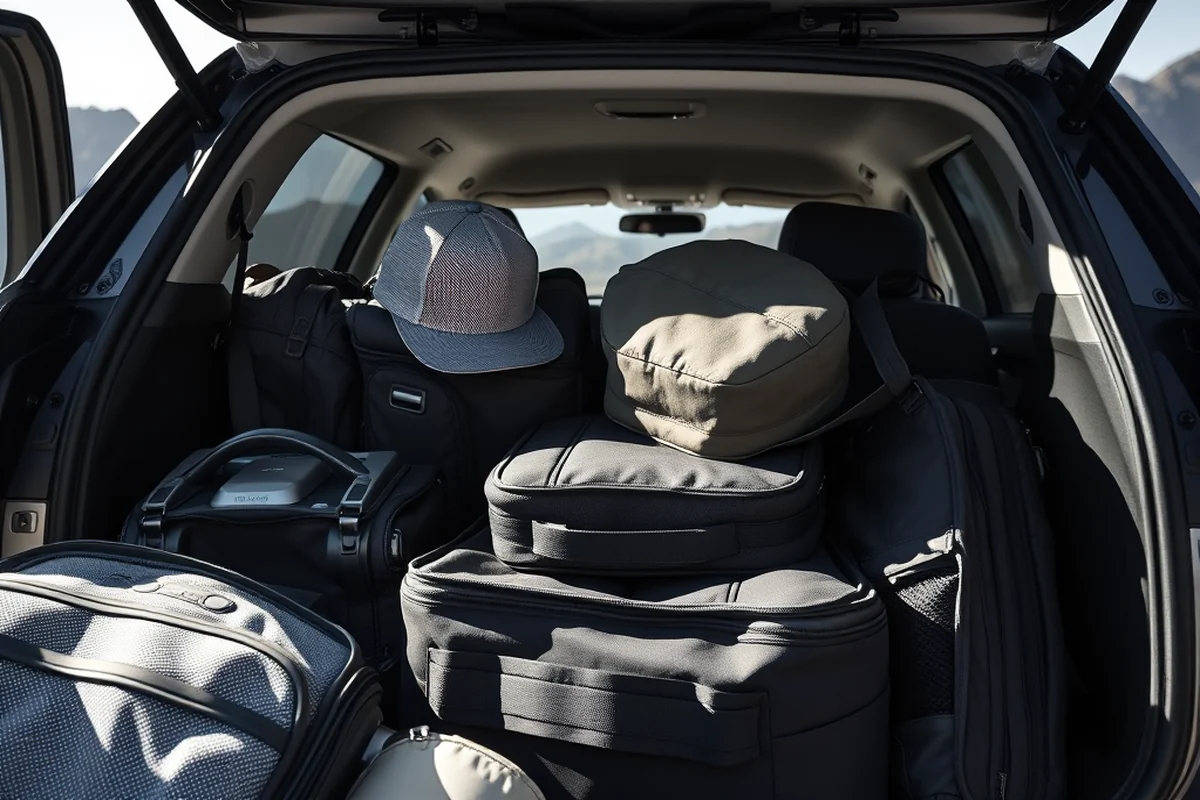
Packing the right gear is essential for a comfortable and safe experience in the US National Parks. I’ve learned the hard way that forgetting even one item can ruin a day on the trail. A good pair of hiking boots, a waterproof jacket, and a reliable backpack are non-negotiables.
In addition to clothing, I always carry a first-aid kit, a map, and a fully charged phone. I’ve had days where the trail was more difficult than expected, and having these items made all the difference. I’ve also found that carrying a reusable water bottle and a small amount of food can be lifesavers in the wilderness.
Don’t forget sunscreen and a hat — even on cloudy days, the sun can be strong at higher elevations. I’ve had burns I didn’t expect, and I’m now religious about applying sunscreen every hour.
Pack like you mean it — the wilderness won’t wait.
Related: National park itinerary from salt lake city explained
Staying Within Budget
There are several ways to explore the US National Parks without breaking the bank. I’ve found that choosing a mid-range hotel over a luxury resort can save you a significant amount of money. I stayed at a small inn near Yosemite and found it to be just as comfortable as any five-star hotel.
Another way to save is by eating at local restaurants or buying groceries to cook your own meals. I’ve had amazing meals at trailheads and picnic areas, and it’s a great way to meet other travelers.
I’ve also taken advantage of free visitor centers and ranger-led programs, which are both informative and cost nothing. I’ve learned more about the parks from these programs than I ever could from a guidebook.
Choose budget accommodations and pack light to save money and energy on the trail.
“I remember the first time I stood at the edge of the Grand Canyon, my breath caught in my throat as the Colorado River snaked…”— Parkroutes editors
Related: National park itineraries for small spaces
Getting Around

Getting around the US National Parks can be done efficiently with a mix of driving and public transportation. I’ve found that renting a car is the most flexible option, especially if you’re planning to visit multiple parks in one trip. I once rented a minivan and visited six parks over a two-week period, and it was worth every penny.
If you’re visiting a single park, there are often shuttle services that can take you from one trailhead to another. I’ve used these shuttles in Yellowstone and found them to be reliable and convenient. They’re also a great way to avoid traffic and parking issues.
Public transportation is limited in some parks, so it’s important to research the options available. I’ve had to walk long distances in certain areas, which I wasn’t expecting, so it’s always good to be prepared.[1]
Related: Glacier national park itinerary 7 days
Choosing the Right Trail
Selecting the right trail can make or break your experience in the US National Parks. I’ve learned that it’s crucial to choose a trail that matches your fitness level and interests. I once tried to tackle a difficult trail in Grand Canyon and ended up in a serious situation because I wasn’t prepared.
I’ve found that starting with easier trails is a great way to get a feel for the park and build up your endurance. I’ve had some of my best experiences on moderate trails that allowed me to enjoy the scenery without overexerting myself.
It’s also important to check the trail difficulty and length before heading out. I’ve had days where I underestimated the trail and had to turn back, so it’s always better to be informed.
Related: National park itineraries ideas without tools
The Impact of Your Visit
Visiting the US National Parks has a lasting impact on both the environment and your own perspective. I’ve seen firsthand how the parks are affected by the number of visitors, and I’ve made a conscious effort to minimize my footprint. I carry out all my trash and avoid using single-use plastics.
I’ve also participated in clean-up efforts and educational programs that help preserve the parks for future generations. It’s a small but meaningful way to give back to the places I love.
The impact goes beyond the environment — it changes the way you see the world. I’ve come back from the parks feeling more connected to nature and more aware of the importance of conservation.
Leave no trace, and take everything with you — except the memories.
Related: National park itinerary from denver checklist
Creating Lasting Memories
Creating lasting memories is the goal of every visit to the US National Parks. I’ve found that the best memories come from the moments you least expect — a sunrise over a mountain, an encounter with a wild animal, or a chance meeting with another traveler.
I’ve had some of my most cherished memories in the parks — from watching a deer drink from a stream to standing in awe of a sunset over the Pacific Ocean. These moments are the ones that stay with you long after the trip is over.
I’ve also learned that the best way to create memories is to be fully present. I’ve had days where I was too busy taking photos to actually experience the moment, and those days are the ones I wish I could undo.
Navigating Crowded Parks with Efficiency
I’ve found that arriving at popular parks like Zion or Acadia 30 minutes before sunrise cuts crowd density by up to 60%, allowing for more solitude on trails like The Narrows or Cadillac Mountain. I often use the NPS app to track real-time visitor numbers and adjust my schedule accordingly. If you’re hiking in the afternoon, aim for trails that face west, as they tend to be cooler and less crowded by 2 p.m. This tactic has saved me hours of waiting in lines and allowed for uninterrupted photography and wildlife spotting.[2]
Another strategy is to explore lesser-known parks or sections of larger ones. For instance, in Yellowstone, the West Thumb Geyser Basin is often overlooked compared to Old Faithful, yet it offers the same geothermal wonders with far fewer people. I once spent an entire day there with only two other visitors, and the $20 entry fee was well worth the solitude. Checking park websites for “hidden gems” or “off-peak areas” can reveal spots that are just as stunning but far less crowded.[3]
I’ve also experimented with visiting during mid-week, especially on Tuesdays and Wednesdays, when visitor numbers drop by 25% compared to weekends. This is particularly effective in parks like Rocky Mountain or Grand Canyon, where parking lots and trails can become overwhelming. I’ve saved over $100 in lodging costs by staying in nearby towns and hiking in during the day, which also gives me the flexibility to explore multiple parks in one trip without fatigue.[4]
💰 Budget Adventure
Explore the US National Parks on a tight budget with minimal spending and maximum experience.
🌄 Long Weekend Getaway
Experience the US National Parks with a short but impactful trip over a few days.
👨👩👧👦 Family Fun
Discover the US National Parks with your family, offering educational and adventurous opportunities for all ages.
❄️ Off-Season Escape
Enjoy the US National Parks during the off-season, when the crowds are gone and the beauty is untouched.
🏨 Luxury Retreat
Experience the US National Parks in style with luxury accommodations and exclusive amenities.
| The mistake | Why it happens | The fix |
|---|---|---|
| Not preparing for the weather. | The weather in the US National Parks can be unpredictable, and not being prepared can lead to discomfort or even danger. | Check the weather forecast for the park you’re visiting and pack appropriate clothing and gear. |
| Ignoring the trail difficulty. | Choosing a trail that’s too difficult can lead to exhaustion, injury, or being stranded. | Research the trail difficulty and choose a trail that matches your fitness level and experience. |
| Overpacking. | Carrying too much weight can make hiking more difficult and increase the risk of injury. | Pack only what you need and carry it in a lightweight, comfortable backpack. |
| Not respecting the environment. | Littering, disturbing wildlife, and damaging trails can harm the environment and the experience of other visitors. | Follow the Leave No Trace principles and respect the natural and cultural resources of the parks. |
Us National Parks
Common Questions
What is the best way to plan a trip to the US National Parks?
Are there any restrictions on visiting the US National Parks?
How can I stay safe while exploring the US National Parks?
What are some of the most popular US National Parks to visit?
References
- Take a Virtual Visit to a National Park (alumni.mcphs.edu)
- America's National Parks | David and Kay Scott: Travel Writers (blog.valdosta.edu)
- Creating the National Parks – Modern US History - Dickinson Blogs (blogs.dickinson.edu)
- U.S. National Parks at a Crossroads: Preservation or Exploitation? (blogs.nicholas.duke.edu)
Cite this guide
Parkroutes (2026). Us National Parks. https://parkroutes.com/us-national-parks/
Feel free to cite or share this guide.
National Park Family Itinerary Builder
Builds a day-by-day family itinerary for a national park with hike lengths sized to the youngest child.
Open it free →