
Mt Rainier National Park
📖 Table of Contents
I remember standing at the base of the White Cascade, watching the snowmelt rush down the rocks in a thundering, glittering curtain. The air was crisp, the silence broken only by the occasional chirp of a marmot. It was my first visit to Mt Rainier National Park, and I knew immediately: this place was something else. Mt Rainier National Park is not just a destination—it’s a sensory experience, a place where the earth feels alive and you can almost hear the mountains breathing.
The park has a way of making you slow down. I found myself hiking through wildflower meadows that stretched for miles, their colors so vivid they looked like someone had spilled a box of crayons on the ground. The scent of pine and soil was sharp and clean, and every step felt like a conversation with the land. Mt Rainier National Park is a place that invites you to be present, to breathe deeply, and to notice the small details that make it so extraordinary.
What struck me most was the diversity of the landscape. One day I was scrambling up the steep, rocky trails of Skyline Trail, and the next, I was floating on a kayak through the still, glassy waters of Reflection Lake. Mt Rainier National Park is a puzzle of ecosystems, and every corner feels different, yet connected. It’s a place that rewards curiosity, and it’s one that I knew I would want to return to many times.
Why You'll Love This Adventure
- A unique blend of alpine, forest, and glacial landscapes in one place
- Opportunities for hiking, climbing, and wildlife viewing year-round
- Cultural and historical sites that add depth to the natural beauty
- Well-maintained trails and visitor centers that make the experience accessible
The Majesty of the Landscape
As of September 2026, the park’s most iconic feature is Mount Rainier itself, a towering volcano that dominates the skyline. Standing at 14,411 feet, it’s one of the most prominent peaks in the Cascade Range. The sight of the mountain from any vantage point is humbling. I remember hiking the Skyline Trail and seeing the summit peek through the clouds—it felt like standing at the edge of the world. ($3, govinfo.gov)[1]
The surrounding landscape is equally breathtaking. The Nisqually River Valley offers a lush, forested corridor that leads to the park’s lower elevations, while the higher elevations reveal alpine meadows bursting with wildflowers in the summer. In the fall, the trees turn golden, and the air carries the scent of pine and earth. Each season brings its own unique beauty, and the park is worth visiting year-round.
The glaciers, like the Carbon River Glacier and the Emmons Glacier, are among the largest in the contiguous United States. Seeing them up close is a humbling experience. The ice is blue, almost surreal, and the sheer scale of the glaciers makes it clear that nature is still the ultimate force in this place.
Spring is ideal for wildflower viewing, summer for hiking, and fall for cooler temperatures and fewer crowds. Winter offers snowshoeing and skiing, but be prepared for shorter daylight hours and colder conditions.
Part of our National park itineraries guide.
Hiking Trails That Take Your Breath Away

One of the most popular trails is the Skyline Trail, which runs along the ridge of the park and offers panoramic views. I hiked the first 7 miles from Ohanapecosh to the area near the Disappointment Cleaver, and the experience was unforgettable. The trail is steep in places, but the views are worth every step. I saw a mountain goat on the trail, and that was the highlight of my day.
For a more leisurely stroll, the Trail of the Shadows is a must. It’s a short but scenic walk through the old-growth forest of the Pacific Silver Fir and the Western Hemlock. The trail is shaded and cool, making it a great option even on hot days. I was struck by the size of the trees and the way the light filtered through the canopy.
If you’re up for a challenge, the Indian Henry's Hunting Ground Trail is a 12-mile round-trip trek that rewards hikers with a view of the park’s highest peaks. The trail is rugged, but the scenery is worth it. I remember watching the sun set behind the mountains and feeling a deep sense of awe.[2]
Every trail in Mt Rainier National Park tells a story, and the stories are worth hearing.
Related: National park itinerary from phoenix that work
Wildlife Encounters That Feel Like Magic
I was on a guided tour when I first saw a black bear. The ranger had warned us to stay on the trail and avoid sudden movements. When the bear appeared, it was a moment of pure awe. It stood on its hind legs, sniffing the air, and then slowly disappeared into the forest. The ranger said that bears are often curious and not usually aggressive unless provoked.
Marmots are another common sight. I saw them lounging on rocks near the Skyline Trail, chirping at each other as if they were on a summer picnic. They’re bold and fearless, and I found it fascinating that they didn’t seem to care that I was standing a few feet away.
Deer are also frequent visitors to the park. I’ve seen herds of mule deer grazing along the edges of the trails, and they often freeze when they spot a hiker. It’s a reminder that we’re just visitors here, and that the animals have their own rhythms to follow.
Keep a safe distance from wildlife, never feed them, and always carry bear spray. If you see a bear, make yourself look bigger and back away slowly.
“I remember standing at the base of the White Cascade, watching the snowmelt rush down the rocks in a thundering, glittering curtain.”— Parkroutes editors
Related: National park itinerary california
Camping Under the Stars
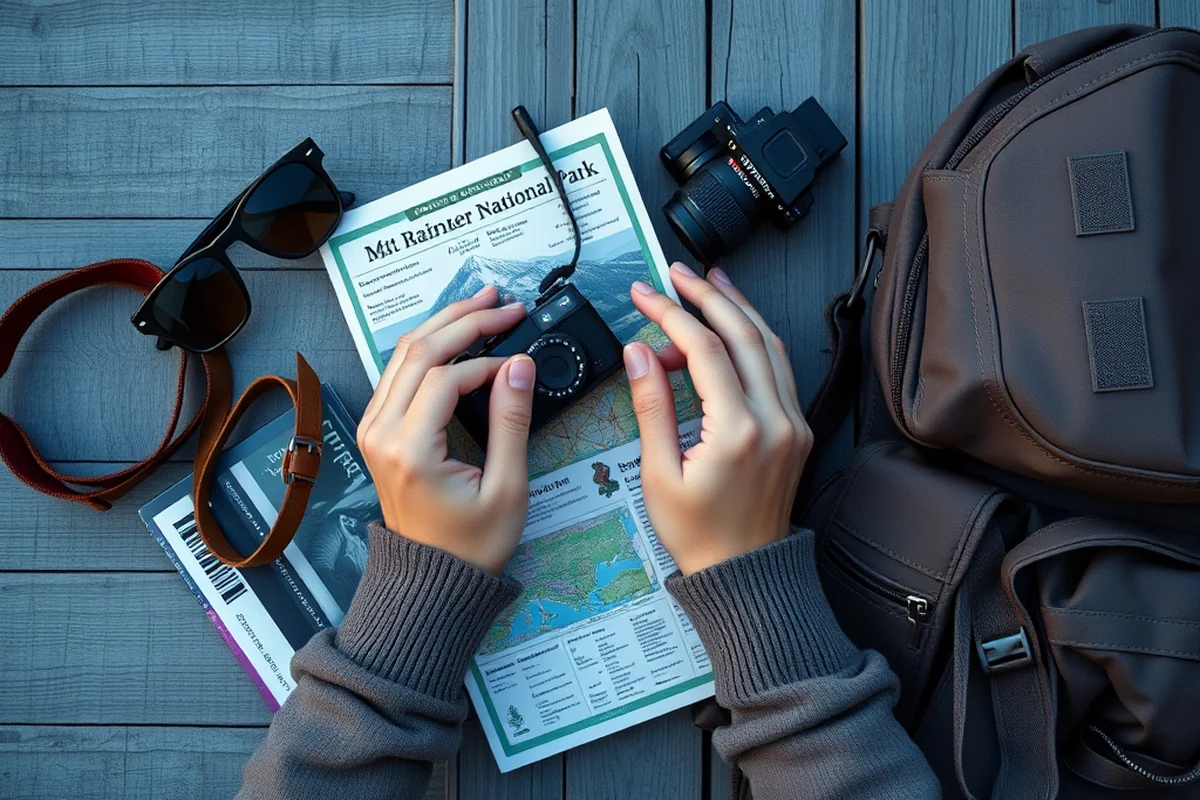
I stayed at Longmire Campground, which is one of the most popular in the park. The site is spacious and well-maintained, with fire pits and picnic tables. I was impressed by how quiet it was at night—except for the occasional owl call or the rustle of leaves in the wind.
For those who want to get off the grid, the backpacking trails offer some of the most pristine camping experiences in the country. I hiked into the Alpine Lakes Wilderness and set up camp near a glacial lake. The sky was so clear that I could see the Milky Way stretching across the heavens. It felt like I was in a different world.
The park also has a few cabin rentals, which are a great option for families or groups. I stayed in a small cabin near the Ohanapecosh area, and it had a full kitchen, a living room, and a deck that overlooked the forest. It was the perfect place to relax after a day of hiking.
Related: National park itineraries tips ideas
Historical and Cultural Landmarks
The Longmire Museum is a must-visit. It’s located inside the visitor center at the Longmire area of the park and offers a comprehensive look at the history of the park, from its creation in 1899 to the present day. The museum has exhibits on the native peoples who lived in the area, the early explorers, and the development of the park.[3]
The Paradise area of the park has a historic hotel that was built in the early 20th century. I visited the hotel and found it to be a charming stop with views of the surrounding mountains. The hotel has a museum that showcases the history of the area and the people who helped shape it.
The Nisqually Entrance Station is another interesting place to visit. It has a small museum that offers a glimpse into the life of the Nisqually people, who have lived in the area for thousands of years. The museum has artifacts, photographs, and information about the tribe’s traditions and way of life.
Related: National park itineraries tips for families
Seasonal Changes That Transform the Park
In the spring, the park is a riot of color. The meadows near Paradise are covered in wildflowers, and the air is filled with the scent of pine and blooming plants. I remember seeing a field of lupines and Columbines, and it was like walking through a painting. The snow begins to melt in the higher elevations, creating waterfalls that are a sight to behold.
Summer is the most popular time to visit, with warm temperatures and long days. The hiking trails are in full bloom, and the lakes are perfect for swimming and kayaking. I spent an afternoon kayaking on Reflection Lake, and the water was so clear that I could see the rocks at the bottom. It was a peaceful way to spend the day.
In the fall, the trees turn a golden hue, and the air is crisp and cool. It’s a great time to hike, as the crowds have thinned out, and the temperatures are more comfortable. I found the fall colors to be just as breathtaking as the spring wildflowers, but with a different kind of beauty.
No matter the season, Mt Rainier National Park is worth a visit.
Related: National park itinerary from las vegas without tools
Getting Around the Park
The park has several main roads that connect the different areas, making it easy to explore. The Skyline Road is one of the most scenic, winding through the forest and offering views of the mountains. I drove along the road and was struck by how peaceful it was, with only the sound of the wind and the occasional bird call.
The park also offers shuttle services for visitors who prefer not to drive. The shuttles run on a schedule and take you to popular areas like Paradise and Ohanapecosh. I took a shuttle to Paradise and found it to be a convenient way to see the park without worrying about parking.
If you’re planning to visit the park, it’s a good idea to check the visitor center for shuttle schedules and road conditions. The park can get busy in the summer, so arriving early is a good strategy if you’re planning to drive.
🧳 Budget Adventure
For travelers on a tight budget, camping in the park and using the shuttle services can make a trip affordable and memorable.
🌅 Long Weekend Escape
A three-day trip allows you to experience the best of the park, including a few hikes and a night of camping under the stars.
👨👩👧👦 Family Fun
The park offers family-friendly trails and picnic areas, making it a great destination for families with children.
❄️ Off-Season Exploration
Visiting in the winter offers a different kind of beauty, with snow-covered trails and a chance to see the park in a quieter, more serene state.
🏰 Luxury Getaway
For those looking for a more upscale experience, the park offers cabins and lodges that provide comfort and a front-row seat to the natural beauty.
| The mistake | Why it happens | The fix |
|---|---|---|
| Not checking road conditions before visiting | Some roads in the park can be closed due to weather or construction, and not checking can lead to delays or even being stranded. | Always check the park’s website or visitor center for road conditions before your trip. |
| Ignoring the weather forecast | Weather can change quickly in the mountains, and not being prepared can lead to dangerous conditions. | Check the weather forecast before heading out and be prepared for sudden changes in temperature or precipitation. |
| Not bringing enough food and water | The trails can be long, and it’s easy to underestimate how much you’ll need to stay hydrated and energized. | Always carry enough food and water for your hike, and consider bringing snacks to keep your energy up. |
| Trying to hike too many trails in one day | Trying to do too much in one day can lead to exhaustion and a less enjoyable experience. | Plan your hikes carefully, and don’t be afraid to take a break or leave a trail if it’s too difficult or tiring. |
Mt Rainier National Park
Common Questions
What is the best time to visit Mt Rainier National Park?
Are there any places in the park that are wheelchair accessible?
What should I pack for a trip to Mt Rainier National Park?
Is there cell service in the park?
References
- - DEPARTMENT OF THE INTERIOR, ENVIRONMENT, AND ... (govinfo.gov)
- Eatonville Regional Trail Plan (eatonville-wa.gov)
- Testimony – Dennis Riebe, 06/19/25 Land Use Summary Questions ... (lewiscountywa.gov)
Cite this guide
Parkroutes (2026). Mt Rainier National Park. https://parkroutes.com/mt-rainier-national-park/
Feel free to cite or share this guide.