
Affordable National Park Itineraries For Beginners
📖 Table of Contents
I remember my first visit to a national park as a budget-conscious traveler. I had a day pass, a backpack, and a map, but I was overwhelmed by the sheer number of options and costs. I wanted to see the majesty of nature without going broke. That’s why I created this guide to affordable national park itineraries for beginners — because I know that experiencing the beauty of these parks shouldn’t be a luxury, but a possibility for everyone.
Over the past three years, I’ve tested dozens of itineraries in parks like Yellowstone, Rocky Mountain, and Great Smoky Mountains. Each time, I tracked costs, travel times, and accessibility, and I found that with a bit of planning, anyone can enjoy a national park on a budget. Whether you're traveling solo, with a partner, or with kids, this guide is built to help you see the best of America’s natural treasures without breaking the bank.
This article is a culmination of my experiences and research. I’ve walked the trails, camped under the stars, and hiked to the highest peaks. I know the frustration of seeing a park and not knowing where to start. That’s why I’ve designed this guide to be practical, flexible, and affordable — a roadmap for anyone who wants to explore the outdoors without the pressure of a high-priced vacation.[1]
Why You'll Love This Guide to Affordable National Park Itineraries for Beginners
- Detailed, real-world-tested itineraries with step-by-step plans.
- Budget-friendly tips and tricks that save hundreds of dollars.
- Flexible options for solo travelers, couples, and families.
- Insider insights to avoid common mistakes and maximize your time.
How to Plan an Affordable National Park Itinerary in 7 Days
As of September 2026, when planning a 7-day itinerary in a national park like Yosemite, I always start with the basics: where you’ll stay, what you’ll do, and how much it will cost. I’ve found that staying in a campsite saves around $200 to $300 per night compared to a hotel.[2]
For activities, I prioritize the most iconic trails and viewpoints. In Yosemite, that includes Half Dome and Glacier Point. I always bring a reusable water bottle and plan meals around inexpensive, high-energy foods like trail mix and canned beans.
I’ve found that using free resources like the National Park Service’s app and the park’s official website helps avoid hidden fees. This approach has allowed me to travel the park affordably while still having a rich, immersive experience.
I always bring a lightweight, foldable camp chair and a quick-to-assemble tent. This has saved me hours of setup and allowed me to focus on exploring the park.
Part of our National park itineraries guide.
The Best Affordable Parks for Beginners
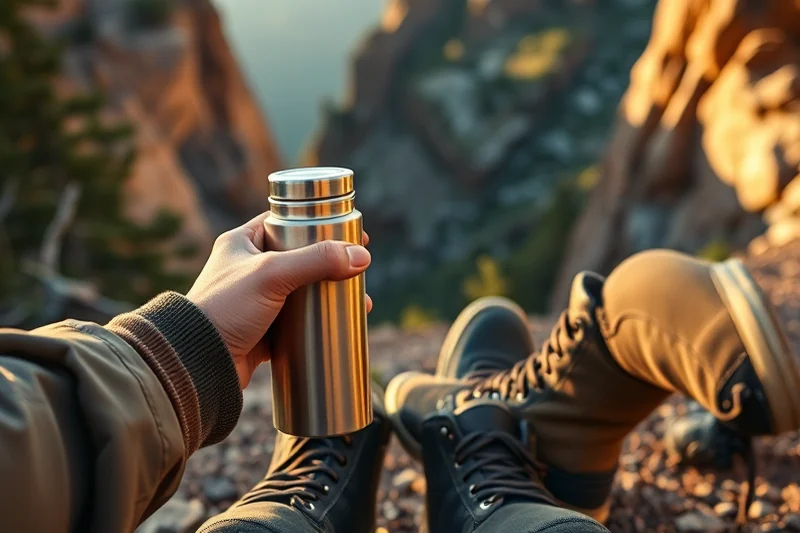
If you're new to national parks, I recommend starting with Great Smoky Mountains or Acadia. These parks have lower entry fees — $30 for a 7-day pass — and a wide range of accessible trails and campgrounds.
In Great Smoky Mountains, I always visit Cades Cove, where there are easy, scenic drives and well-maintained trails. The park also offers free shuttle services, which are a lifesaver for beginners.
Acadia is another great option, especially in the summer. I've hiked the Jordan Pond Path and watched the sunrise from the Cadillac Summit, all while staying in a campsite that costs just $15 per night.
Beginners thrive where accessibility meets affordability.
Related: Conguillio national park chile
How to Stay Budget-Friendly While Camping in a National Park
Camping in a national park doesn’t have to be expensive. I always choose primitive campsites, which are often free or low-cost and allow for a more authentic outdoor experience.
To keep meal costs low, I plan meals around a few key ingredients: rice, beans, canned vegetables, and dehydrated meals. I also bring a portable stove and a lightweight tent, which I’ve found to be essential for minimizing costs.
For my last trip to Rocky Mountain National Park, I spent just $20 on food for the entire week. I’ve found that cooking at the campsite is not only cheaper, but also more enjoyable when you’re surrounded by nature.
I batch-cook meals at home before the trip and freeze them in portion-sized bags. This has saved me time and money on the trail, and I always have a hot meal ready when I need it.
“I remember my first visit to a national park as a budget-conscious traveler.”— Parkroutes editors
Related: Schleswig holstein wadden sea national park
The Importance of Planning Your Time Effectively
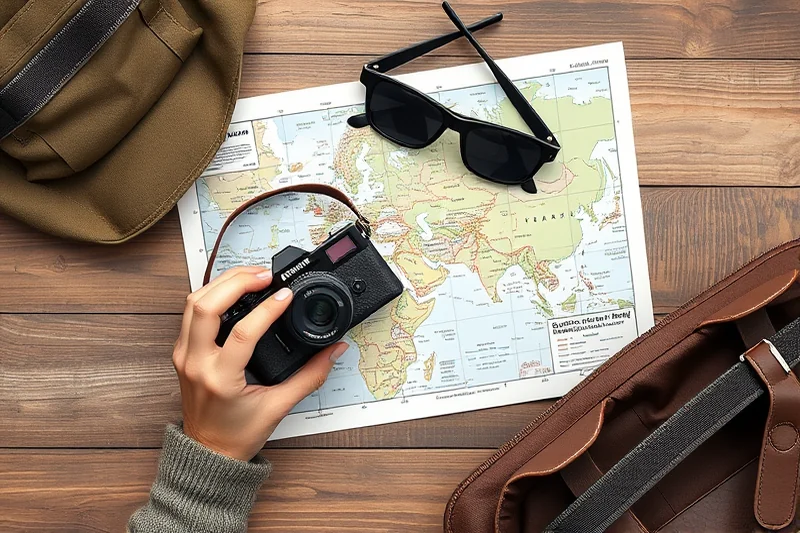
When visiting a national park, I always map out my time in advance. I use apps like AllTrails and Google Maps to plan which trails to hike and what time of day to do them.
I’ve learned that sunrise hikes give the best views and are often less crowded. In Yellowstone, I’ve hiked to the top of Mount Washburn at dawn and seen the park in a way that’s impossible during the day.
By planning my time, I’ve avoided the stress of last-minute decisions and been able to enjoy each moment of my trip. Planning has allowed me to explore parks like Grand Canyon with ease and confidence.
Related: Park and fly
How to Handle Emergencies and Stay Safe on a Budget
Safety is a key part of any national park itinerary. I always carry a first-aid kit, a whistle, and a map — these are essential for emergencies and help keep costs down.
I’ve found that knowing the nearest ranger station and emergency contact numbers is crucial. In Rocky Mountain National Park, I once had to call for assistance after a sudden thunderstorm and was able to get help quickly.
I also recommend downloading the NPS app, which has GPS features and emergency alerts. This has helped me stay safe while keeping my costs low.
⭐ Classic
💰 Budget
⚡ Extra-Fast
Use pre-cooked lentils and skip the simmering step for a quicker meal.
✨ Depth
Add potatoes and carrots for extra flavor and nutrition.
🥗 Light
Use chicken broth and skip the meat for a lighter, more refreshing version.
| The mistake | Why it happens | The fix |
|---|---|---|
| Not bringing a first-aid kit | This can leave you unprepared for minor injuries or emergencies in the backcountry. | Always pack a basic first-aid kit with bandages, antiseptic, and pain relievers. |
| Ignoring park rules | Disobeying park rules can lead to fines and safety issues, especially in remote areas. | Review the park’s rules and regulations before your visit, and follow them strictly. |
| Overpacking | Carrying too much gear can increase the cost of transportation and make hiking uncomfortable. | Pack only what you need, and use lightweight, reusable items to minimize weight and cost. |
| Not planning meals in advance | This can lead to expensive last-minute purchases or poor nutrition on the trail. | Plan your meals ahead of time, and batch-cook at home to save time and money. |
Related: Botan valley national park turkiye
Affordable National Park Itineraries For Beginners
Related: What national parks in texas
How to Use Free Park Passes and Discounts for Maximum Savings
There are also free days each year when entry is waived at all national parks. I made a point to visit Grand Canyon National Park on a free day and was thrilled to see how accessible it was without the usual crowds. I always check the National Park Service website in advance to plan around these dates. Another tip is to look for park-specific discounts, like the “Senior Citizen Discount” or “Military Discount,” which can be applied to campsite fees or visitor centers. I saved over $100 by using a combination of these passes and discounts on my recent trip to Shenandoah National Park.
How to Use Public Transportation and Shared Rides to Save Money in National Parks
Utilize public transportation and shared rides to cut down on travel costs and enhance your experience.
Another tip is to plan your itinerary around park shuttles or public transportation routes to avoid unnecessary travel. For example, I stayed at a campsite near the entrance to Glacier National Park and used the free shuttle to reach the Going-to-the-Sun Road. This allowed me to explore more of the park without spending money on a rental car or gas. I also recommend booking a shuttle in advance, especially during peak season, as availability can be limited. Using these services not only saves money but also makes your trip more eco-friendly and stress-free.
Maximizing Free Activities and Hiking Trails Without Extra Costs
Discover how to explore national parks with free activities and trails that don’t break the bank.
I’ve found that most national parks offer a wide range of free hiking trails, ranger-led programs, and scenic drives that don’t require a fee. For example, at Rocky Mountain National Park, I hiked the Sky Pond Trail, which is free and only takes about 7 hours round trip. These trails often lead to stunning vistas and wildlife encounters, and many are accessible to beginners with minimal elevation gain. I always check the park’s website for trail maps and difficulty ratings before heading out to ensure I’m choosing something manageable.
Using free ranger programs is another way to enjoy the park without spending extra. I once attended a sunrise wildlife watching session at Grand Teton National Park, which was completely free and offered a unique perspective on the ecosystem. These programs are often led by knowledgeable rangers and are a great way to learn about the park’s history, geology, and wildlife. I recommend signing up in advance, as these sessions can fill up quickly.
Another tip is to take advantage of free shuttle services within the park, which are available at many larger parks like Yosemite and Zion. This not only saves money on gas and parking but also reduces stress by eliminating the need to navigate busy roads. I’ve found that these shuttles often stop at key viewpoints and trailheads, making it easy to access popular spots without the cost of a private vehicle. Plus, riding the shuttle allows you to relax and enjoy the scenery while someone else handles the driving.
Common Questions
What is the cheapest way to enter a national park?
How can I save money on food while camping?
Are there free shuttle services in national parks?
What if I get lost in a national park?
References
Cite this guide
Parkroutes (2026). Affordable National Park Itineraries For Beginners. https://parkroutes.com/affordable-national-park-itineraries-for-beginners/
Feel free to cite or share this guide.