
How To Biscayne National Park

📖 Table of Contents
The first time I stepped onto the boardwalk at Biscayne National Park, I was struck by how the water shimmered in the Florida sun like liquid glass. This park, just a short drive from Miami, is a hidden gem that offers everything from mangrove forests to sun-drenched beaches. If you’ve ever asked yourself, 'How to Biscayne National Park,' this guide is your answer. (1361, miamidade.gov)[1]
I remember the first time I rented a kayak and floated through the mangrove tunnels. The silence was profound, broken only by the occasional splash of a passing fish and the distant call of a bird. Biscayne is not just a park—it’s a living, breathing ecosystem, and it rewards those who take the time to explore it properly.
For travelers who want to experience the best of Florida’s natural beauty without the crowds of the Keys or the stress of a long drive, Biscayne National Park is a perfect destination. With the right planning, you can spend a day or a week here, immersing yourself in the park’s unique blend of marine life, history, and unspoiled wilderness.
Why You'll Love This Park
- Immerse yourself in Florida’s unique marine biodiversity, with 350+ species of fish and 100+ species of birds.
- Enjoy unparalleled access to the Atlantic Ocean, with more than 300 miles of coastline.
- Discover a hidden wilderness just minutes from a bustling city.
- Experience the park’s rich history, from Native American settlements to World War II shipwrecks.
Getting There: The Road to Biscayne
As of November 2026, from the heart of Miami, the drive to Biscayne National Park is smooth and scenic, with views of the city skyline giving way to the open waters of the park. The park has several access points, with the most popular being the Biscayne Bay Visitor Center, located just a few miles from downtown.
Travelers should consider arriving early in the day to avoid the midday heat and the crowds that often gather at the park’s most popular spots. Parking is limited at some of the main sites, so arriving early can make the difference between a peaceful day and a stressful one.
While the park is accessible by car, there are also shuttle services that run from Miami and nearby areas. These services are especially useful for those who don’t have a car or who want to reduce their carbon footprint.
Arriving at the park before 9 AM can make all the difference in your day. You’ll have the best light for photos, and you’ll avoid the crowds that tend to gather later in the day.
Part of our National park itineraries guide.
Kayaking: A Must-Do Adventure
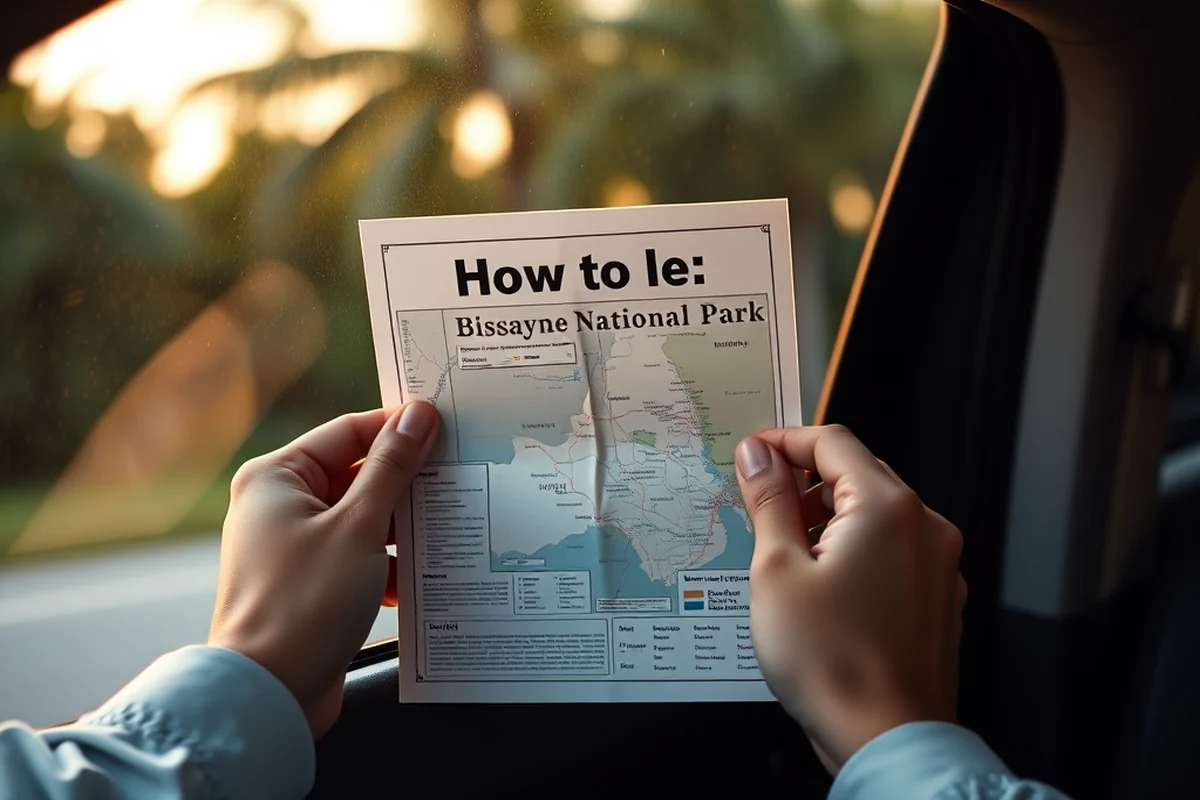
Paddling through the mangroves is like entering a different world. The water is calm, the air is thick with the scent of salt and greenery, and the only sounds are the occasional splash of a fish and the rustle of leaves. Kayaking is available for rent at the park, and the fees are reasonable for a day’s adventure.
The best time to kayak is during the early morning or late afternoon when the sun is low and the water is less likely to be too hot. I remember one particularly memorable trip where I spotted a manatee just a few feet from my kayak—something that only happens once in a blue moon.
If you’re not up for renting a kayak, consider joining a guided tour. These tours often include a naturalist who can point out wildlife and share the history of the park in a way that no book or app ever could.
Kayaking is like slipping into a different world, where time stands still and nature speaks in silence.
Related: What is a national park pass
Birdwatching: A Hidden Treasure
Birdwatching is one of the most rewarding experiences in the park, especially during the spring and fall migrations. The park is home to a wide variety of birds, from the iconic roseate spoonbill to the elusive snail kite. I once spent an entire afternoon simply watching a pair of pelicans glide across the water, their wings cutting the air with grace.
The best spots for birdwatching are the islands and mangrove areas, where the birds are most active. A pair of binoculars and a field guide can go a long way in identifying the species you encounter. Some of the rarer birds, like the piping plover, are only seen during certain times of the year.
If you’re not a birdwatcher by nature, consider joining a guided birding tour. These tours are led by experts who can help you spot birds you might otherwise miss. They also provide a unique perspective on the park’s ecology and the role that birds play in maintaining the balance of the ecosystem.[2]
Binoculars are essential for birdwatching. Even the best field guides won’t help you spot birds if you can’t see them clearly. A pair of high-quality binoculars can make all the difference in your birdwatching experience.
“The first time I stepped onto the boardwalk at Biscayne National Park, I was struck by how the water shimmered in the Florida sun like…”— Parkroutes editors
Related: National park week 2026
Snorkeling: A Window Into the Ocean
The waters around Biscayne are crystal clear, and snorkeling is a must-do for any visitor. I’ve seen everything from vibrant coral reefs to schools of tropical fish that swirl around you like a living painting. The best spots for snorkeling are near the islands and along the park’s submerged rocks.
Snorkeling gear is available for rent at the park, but I recommend bringing your own if you’re planning to spend a full day in the water. The rental gear is often worn out from constant use and doesn’t always fit well.[3]
If you’re not confident in your snorkeling skills, consider taking a lesson from a certified instructor. They can teach you how to move through the water efficiently and how to spot marine life without disturbing it.
Related: Theodore roosevelt national park
Exploring the Islands: A Day in the Sun
Visiting the islands is like escaping to a tropical paradise, even though you’re just a short drive from the city. The islands are accessible by boat or kayak, and each one offers its own unique charm. Some have sandy beaches perfect for sunbathing, while others are more rugged and better suited for hiking.
I once spent a day on one of the islands, simply lying on the beach and watching the waves roll in. It was peaceful, and the only sounds were the rustle of the wind and the occasional cry of a gull. The island was empty except for me and a few other visitors, which made the experience even more special.
If you’re planning to spend the night on the island, make sure to bring a tent or a small boat. Most of the islands don’t have designated camping areas, so you’ll need to find a safe spot to set up camp. Always pack out what you bring in, and be mindful of the environment.
Related: Cuyahoga valley national park
Hiking: Exploring the Park on Foot
The park has a number of hiking trails that range in difficulty from easy to moderate. The most popular trail is the one that leads to the park’s visitor center, which offers panoramic views of the surrounding waters. I remember the first time I hiked to the visitor center—it was a bit of a climb, but the view was worth every step.
Hiking is a great way to get a closer look at the park’s unique ecosystem. Along the way, you’ll see a variety of plants and animals, from the towering mangroves to the tiny crabs that scuttle across the sand. The trail is well-marked, and there are informational signs that explain the history and ecology of the area.
If you’re not up for a long hike, consider taking a short walk along one of the park’s many boardwalks. These boardwalks are perfect for families with young children or for those who want to get a feel for the park without exerting too much energy.
Hiking through Biscayne is like walking through a living museum of nature’s wonders.
Related: How water park
History and Culture: A Look Back in Time
The park is home to a number of historical sites, including the remains of Native American settlements and the wreckage of World War II ships. One of the most interesting sites is the sunken ship, which is now a popular diving spot. The ship was sunk in 1943, and it’s still intact, offering a glimpse into the past.[4]
For those interested in history, the park offers a number of guided tours that explore the area’s past. These tours are led by historians who can provide insight into the lives of the people who once lived and worked in the area. I once took a tour that included a visit to a nearby museum, where I saw artifacts from the time of the Spanish explorers.
If you’re not up for a guided tour, consider reading up on the park’s history before your visit. There are a number of books and online resources that can help you learn more about the area’s past and the people who have shaped it over the years.
💰 Budget Adventure
Experience Biscayne on a shoestring with free entry, cheap gear rentals, and self-guided tours.
🌴 Long Weekend Escape
Pack light, stay at a nearby cabin, and spend two days exploring the park’s best trails and beaches.
👨👩👧👦 Family Fun
Bring the kids for a day of kayaking, snorkeling, and beach time—perfect for all ages.
🍂 Off-Season Exploration
Visit in the off-season for a more peaceful experience with lower crowds and cooler temperatures.
💎 Luxury Getaway
Stay at a high-end resort, charter a private boat, and enjoy exclusive access to the park’s most scenic spots.
| The mistake | Why it happens | The fix |
|---|---|---|
| Assuming the park is always open for water activities. | The park is closed during certain times of the year, such as during extreme weather events, and some water activities may be restricted during these times. | Always check the park’s website or visitor center for current conditions before planning your trip. |
| Not bringing enough water or food. | The park is vast, and it’s easy to lose track of time, especially when exploring on foot or by kayak. | Bring at least two liters of water per person and enough food for the entire day. |
| Ignoring the importance of sun protection. | The Florida sun is strong, and even a short trip can result in sunburn if you’re not prepared. | Apply sunscreen 30 minutes before going outside and reapply every two hours. Wear a hat and sunglasses for added protection. |
| Trying to explore too much in one day. | Trying to cover too much ground in a single day can lead to exhaustion and a less enjoyable experience. | Plan your trip carefully, and consider splitting your activities over multiple days to fully appreciate the park. |
How To Biscayne National Park
Common Questions
Is Biscayne National Park free to visit?
What is the best time of year to visit Biscayne National Park?
Are there facilities like restrooms and food vendors inside the park?
Can I bring my dog to Biscayne National Park?
References
Cite this guide
Parkroutes (2026). How To Biscayne National Park. https://parkroutes.com/how-to-biscayne-national-park/
Feel free to cite or share this guide.
National Park Family Itinerary Builder
Builds a day-by-day family itinerary for a national park with hike lengths sized to the youngest child.
Open it free →